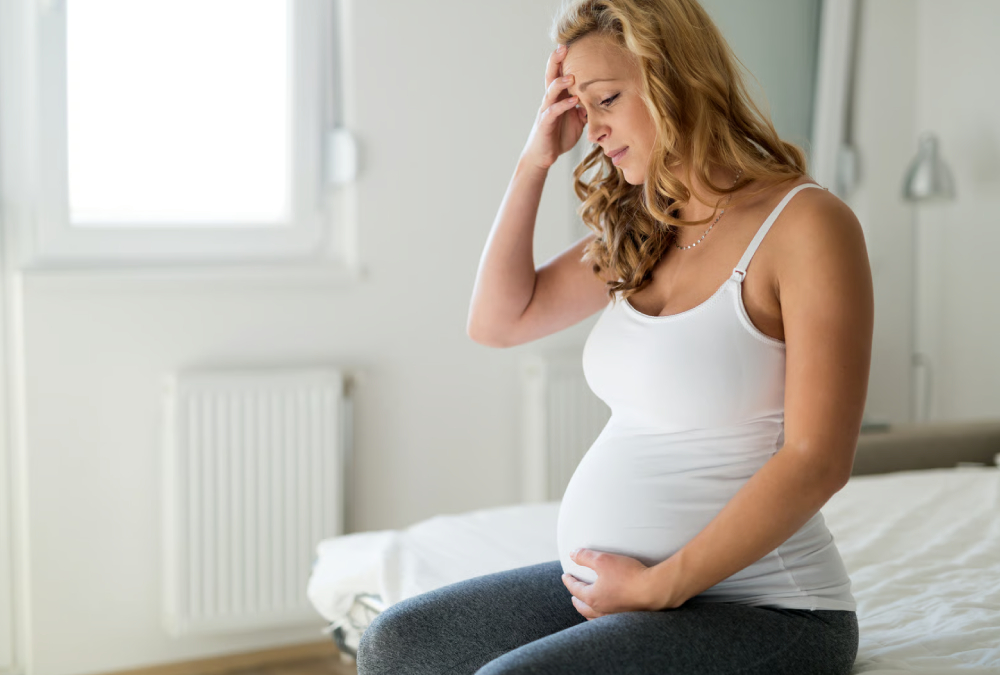
Pregnancy brings many physical and emotional changes as the body adapts to support the growing baby. These changes often appear as symptoms, especially in the early stages. While some symptoms are mild and normal, others can feel uncomfortable or confusing for expecting mothers.
Understanding common pregnancy symptoms helps women feel more prepared and reduces unnecessary worry. It also helps identify when a symptom is normal and when medical advice may be needed.
1. Missed Period
One of the earliest and most common signs of pregnancy is a missed menstrual period.
Why It Happens:
- Hormonal changes stop the monthly cycle
- The body begins supporting pregnancy instead
Important Note:
A missed period is often the first indication, but it should be confirmed with a pregnancy test.
2. Morning Sickness (Nausea and Vomiting)
Morning sickness is very common in early pregnancy.
When It Occurs:
- Usually starts in the first trimester
- Can happen any time of day
Causes:
- Hormonal changes
- Increased sensitivity to smells
Tips for Relief:
- Eat small, frequent meals
- Avoid strong smells
- Stay hydrated
It usually improves after the first few months.
3. Breast Changes
Breast changes are an early pregnancy symptom.
Common Changes:
- Tenderness
- Swelling
- Darkening of areolas
- Increased sensitivity
Why It Happens:
Hormones prepare the body for breastfeeding.
4. Fatigue and Tiredness
Feeling extremely tired is very common.
Causes:
- Increased progesterone levels
- Body working harder to support pregnancy
Tips:
- Get enough rest
- Take short naps
- Maintain a healthy diet
Fatigue is usually stronger in early pregnancy.
5. Frequent Urination
Many pregnant women need to urinate more often.
Why It Happens:
- Increased blood flow to kidneys
- Pressure from growing uterus
Tips:
- Stay hydrated
- Avoid holding urine for long periods
It becomes more noticeable in early and late pregnancy.
6. Food Cravings and Aversions
Pregnancy can change eating habits.
Symptoms:
- Strong cravings for certain foods
- Dislike of previously enjoyed foods
Causes:
- Hormonal changes
- Changes in taste and smell
These changes are normal and vary from person to person.
7. Mood Swings
Emotional changes are very common.
Symptoms:
- Sudden happiness or sadness
- Irritability
- Anxiety
Why It Happens:
Hormonal fluctuations affect mood and emotions.
Tips:
- Rest properly
- Talk to supportive people
- Practice relaxation techniques
8. Bloating and Constipation
Digestive changes are common during pregnancy.
Causes:
- Slower digestion due to hormones
- Pressure from growing uterus
Tips:
- Eat fiber-rich foods
- Drink plenty of water
- Stay physically active
9. Mild Cramping
Some women experience light cramps.
Why It Happens:
- Uterus stretching
- Implantation process (early stage)
Important Note:
Mild cramps are normal, but severe pain should be checked by a doctor.
10. Dizziness and Lightheadedness
Some pregnant women feel dizzy.
Causes:
- Low blood pressure
- Changes in blood circulation
- Low blood sugar
Tips:
- Stand up slowly
- Eat regular meals
- Stay hydrated
11. Headaches
Headaches can occur during pregnancy.
Causes:
- Hormonal changes
- Stress
- Fatigue
- Dehydration
Relief Tips:
- Rest in a quiet place
- Drink water
- Avoid stress
Always consult a doctor before taking medication.
12. Heartburn and Indigestion
Many women experience digestive discomfort.
Causes:
- Hormones relaxing stomach muscles
- Pressure from uterus
Symptoms:
- Burning sensation in chest
- Acid reflux
Tips:
- Eat smaller meals
- Avoid spicy foods
- Do not lie down immediately after eating
13. Back Pain
Back pain is common as pregnancy progresses.
Causes:
- Extra body weight
- Posture changes
- Hormonal relaxation of joints
Tips:
- Maintain good posture
- Use supportive pillows
- Do light stretching
14. Skin Changes
Pregnancy affects skin appearance.
Common Changes:
- Glow in skin
- Dark spots (melasma)
- Stretch marks
Why It Happens:
Hormonal changes affect pigmentation and skin elasticity.
15. Conclusion
Pregnancy symptoms are a natural part of the body’s adjustment to supporting a growing baby. While symptoms like nausea, fatigue, mood swings, and body changes can sometimes feel uncomfortable, they are usually normal and temporary.
Every pregnancy is different, so symptoms may vary from woman to woman. Understanding these signs helps mothers stay informed, reduce anxiety, and manage their health more effectively.
If any symptom becomes severe or unusual, it is always important to consult a healthcare professional for proper guidance.