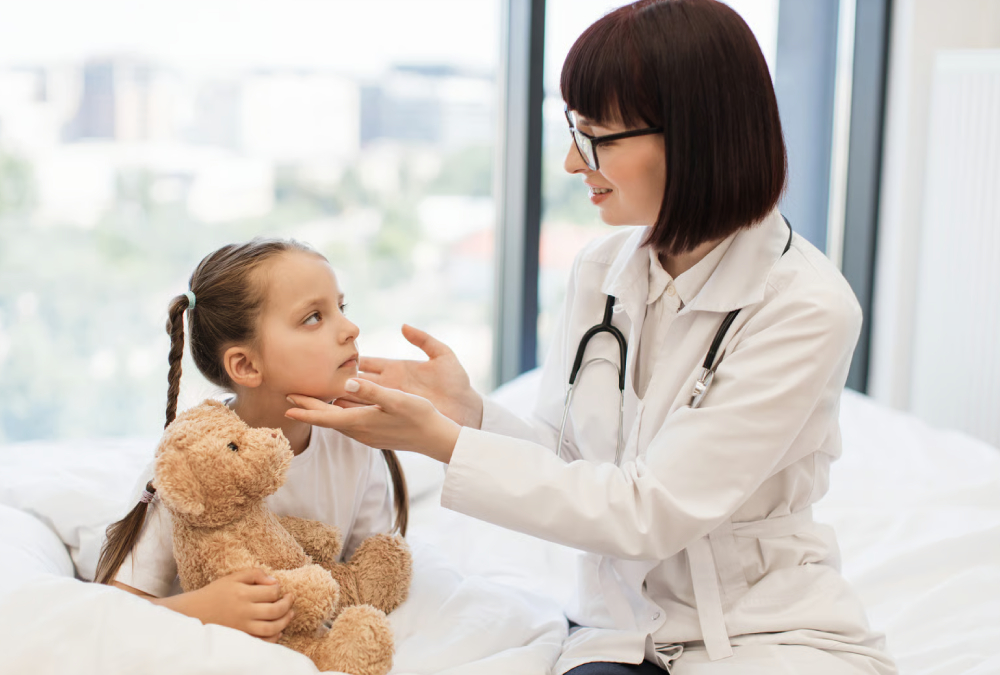
Pediatric care is specialized medical care focused on the health and well-being of infants, children, and adolescents. A pediatrician is trained to diagnose, treat, and prevent childhood illnesses while also monitoring growth and development.
Many parents wonder when exactly they should take their child to a pediatrician. While routine checkups are important, there are also specific situations where immediate or regular pediatric care is necessary.
Understanding when children need pediatric care helps ensure early diagnosis, proper treatment, and healthy development.
1. Routine Checkups and Growth Monitoring
Even if a child appears healthy, regular visits to a pediatrician are essential.
When:
- After birth (newborn checkup)
- Every few months during infancy
- Yearly during childhood
What Doctors Check:
- Height and weight
- Developmental milestones
- Nutrition status
- General health
Importance:
Helps ensure normal growth and early detection of problems.
2. Newborn Care
Newborns need special medical attention in the early months.
When to Visit:
- Within first few days after birth
- Regular follow-ups in first year
Why:
- Monitoring feeding and weight gain
- Checking for birth-related conditions
- Ensuring healthy development
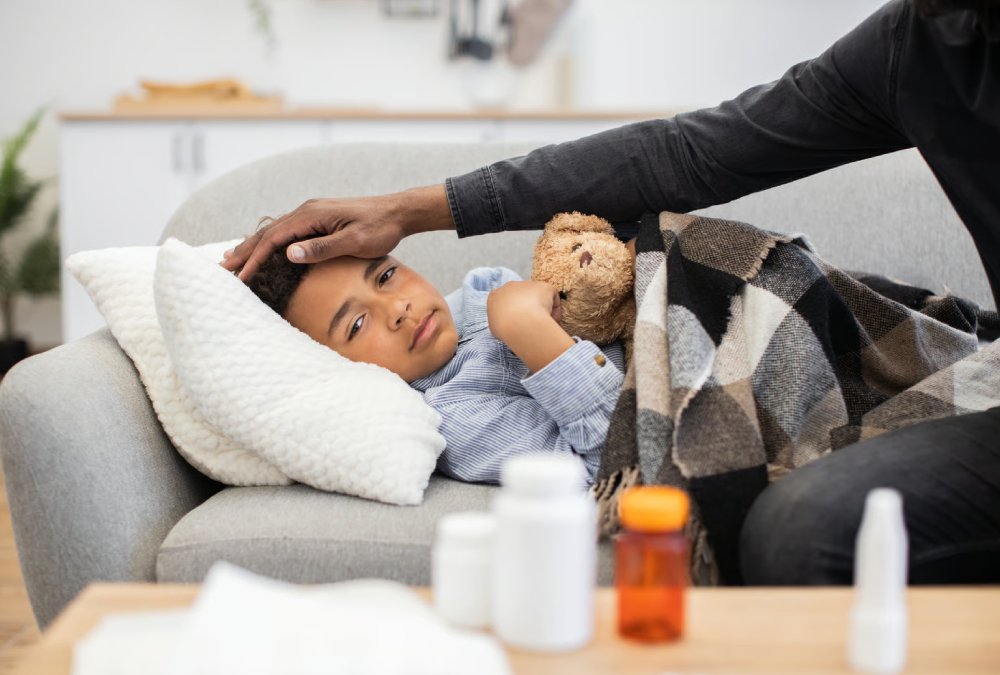
3. Fever and Infections
Fever is one of the most common reasons for pediatric visits.
When to Seek Care:
- High fever (especially in infants)
- Fever lasting more than 2–3 days
- Accompanied by rash, vomiting, or weakness
Possible Causes:
- Viral infections
- Bacterial infections
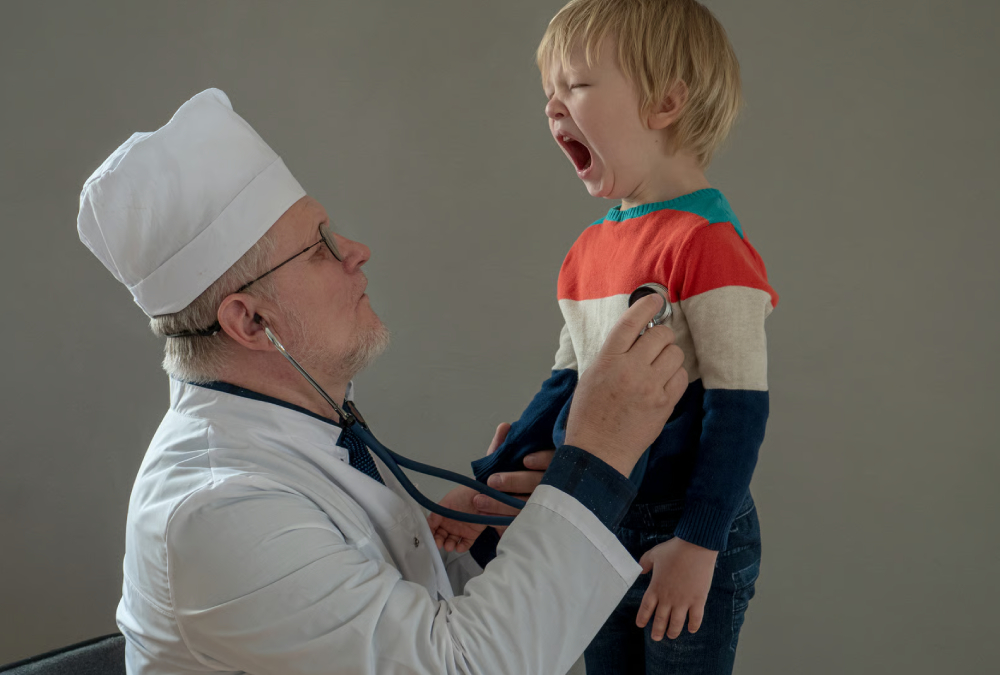
4. Respiratory Problems
Children often suffer from breathing-related issues.
Symptoms:
- Cough
- Wheezing
- Difficulty breathing
- Frequent colds
When to Visit:
- Persistent cough
- Shortness of breath
- Chest infections
5. Digestive Issues
Stomach problems are very common in children.
Symptoms:
- Diarrhea
- Vomiting
- Constipation
- Stomach pain
When to Seek Care:
- Persistent symptoms
- Signs of dehydration
- Blood in stool
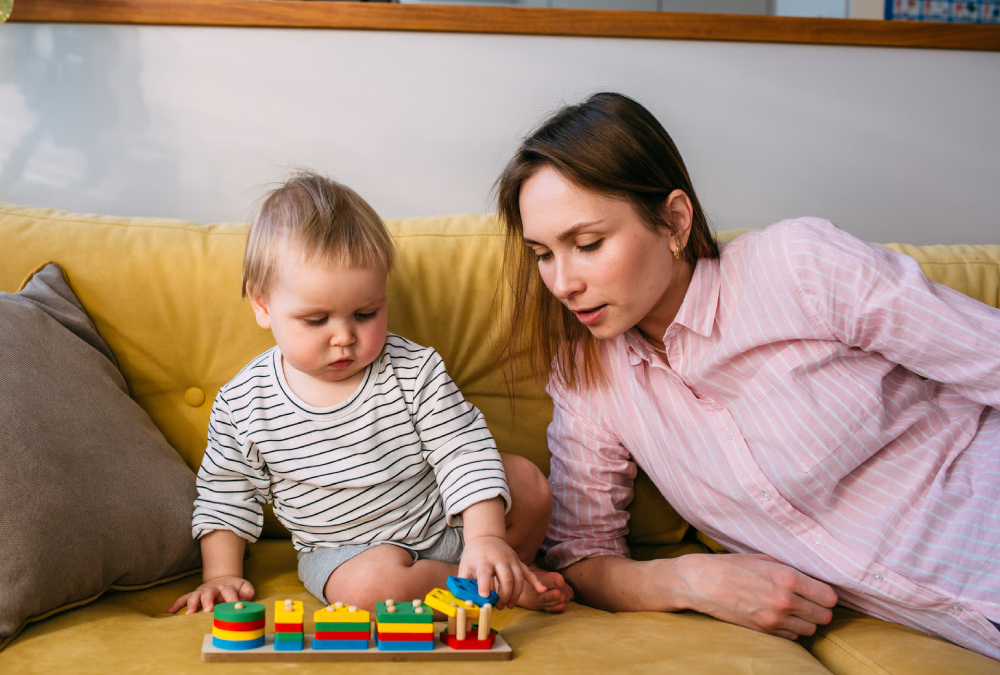
6. Growth and Development Concerns
Pediatricians monitor developmental progress.
Warning Signs:
- Delayed speech
- Poor weight gain
- Difficulty walking or coordination issues
- Lack of social interaction
7. Skin Problems
Children often develop skin conditions.
Common Issues:
- Rashes
- Allergies
- Eczema
- Infections
When to Visit:
- Persistent itching
- Spreading rash
- Painful skin conditions
8. Behavioral or Learning Issues
Some children may need pediatric care for behavioral concerns.
Signs:
- Difficulty concentrating
- Hyperactivity
- Learning delays
- Social withdrawal
9. Injuries and Accidents
Children are active and prone to injuries.
When to Seek Care:
- Deep cuts
- Head injuries
- Broken bones
- Severe bruises
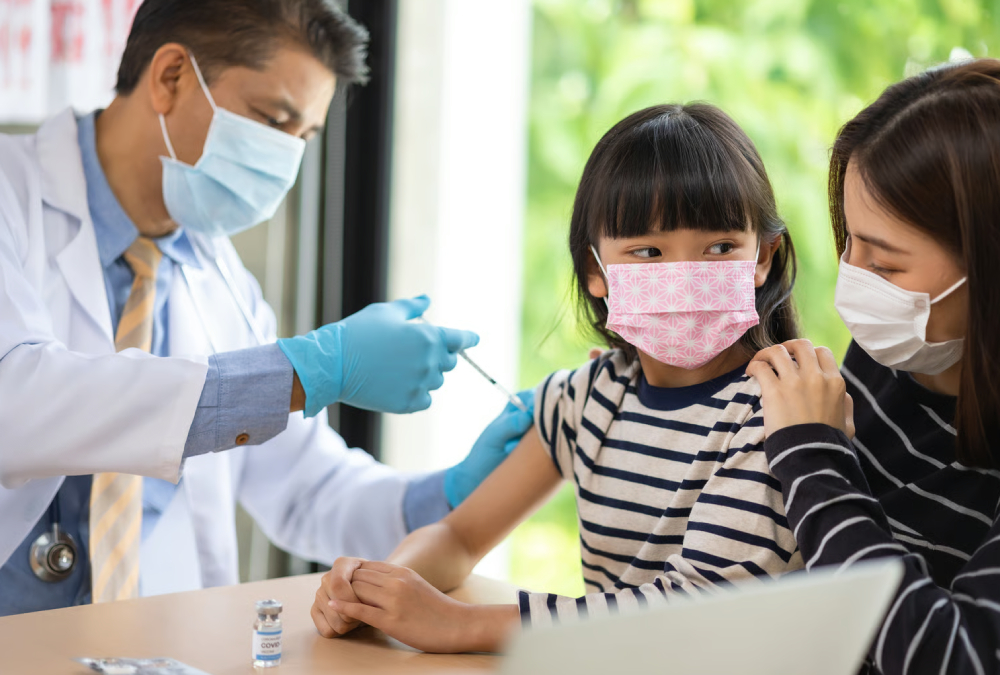
10. Vaccination and Preventive Care
Pediatric visits are essential for vaccinations.
Importance:
- Prevents serious diseases
- Builds immunity
- Protects community health
11. Chronic Conditions
Some children may have long-term health issues.
Examples:
- Asthma
- Diabetes
- Allergies
- Heart conditions
Need for Care:
Regular monitoring and treatment adjustments.
12. Conclusion
Children need pediatric care not only when they are sick but also for routine health monitoring, vaccinations, and developmental tracking. Early medical attention helps prevent complications and ensures healthy growth.
From fever and infections to growth concerns and vaccinations, pediatricians play a vital role in every stage of a child’s development. Regular checkups and timely visits when symptoms appear are essential for a child’s overall health and well-being.