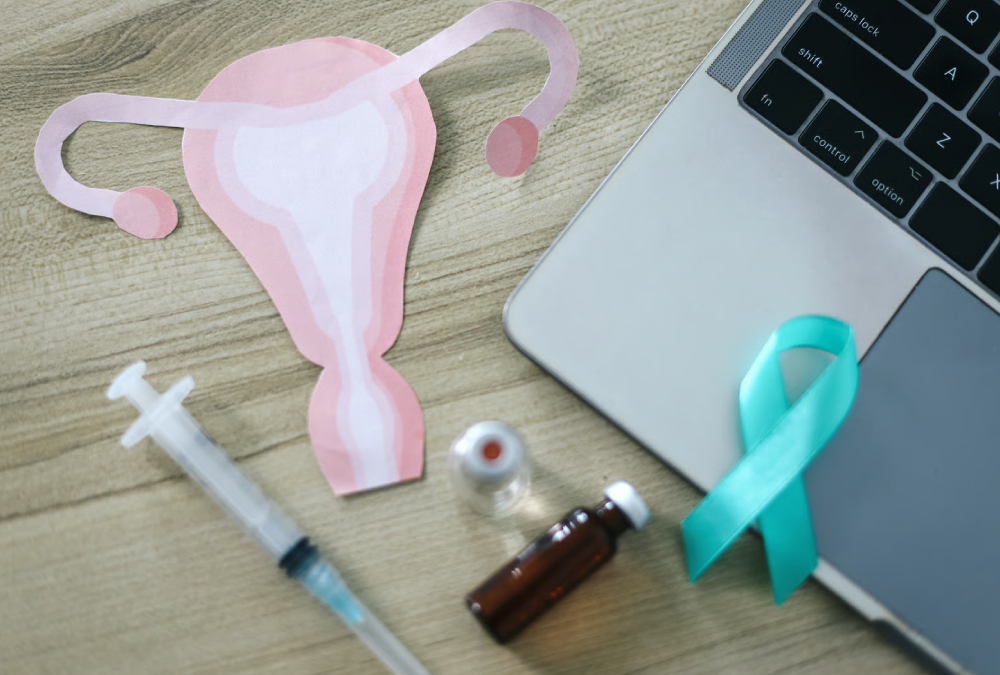

A gynecologist is a medical specialist who focuses on women’s reproductive health, including the uterus, ovaries, menstrual cycle, fertility, pregnancy-related concerns, and hormonal health. Many women only think about visiting a gynecologist during pregnancy, but in reality, regular gynecological care is important at every stage of life—from adolescence to menopause.
Knowing when to visit a gynecologist can help detect problems early, prevent complications, and maintain long-term reproductive health.
1. Irregular or Painful Periods
One of the most common reasons to visit a gynecologist is menstrual problems.
Symptoms to Watch:
- Very heavy bleeding
- Missed periods frequently
- Extremely painful periods
- Irregular cycles
Why It Matters:
These issues may indicate hormonal imbalance, PCOS, fibroids, or other reproductive conditions.
2. Severe Pelvic or Abdominal Pain
Pain in the lower abdomen or pelvic area should not be ignored.
Possible Causes:
- Ovarian cysts
- Endometriosis
- Infections
- Fibroids
When to See a Doctor:
If pain is frequent, severe, or affecting daily life.
3. Unusual Vaginal Discharge
Changes in vaginal discharge can signal infection.
Warning Signs:
- Foul smell
- Unusual color (yellow, green, grey)
- Itching or burning
Possible Causes:
- Bacterial infections
- Fungal infections
- STDs
Early treatment prevents complications.
4. Difficulty Getting Pregnant
If pregnancy is not happening after trying for some time, consultation is important.
When to Visit:
- After 1 year of trying (under 35)
- After 6 months (over 35)
Possible Issues:
- Ovulation problems
- Hormonal imbalance
- Fallopian tube blockage
Early diagnosis improves fertility treatment success.
5. Pain During Intercourse
Pain during sexual activity is not normal.
Possible Causes:
- Infections
- Vaginal dryness
- Endometriosis
- Psychological factors
A gynecologist can help identify and treat the cause.
6. Urinary Problems
Bladder issues may also require gynecological care.
Symptoms:
- Burning during urination
- Frequent urination
- Leakage of urine
These may indicate infections or pelvic floor issues.
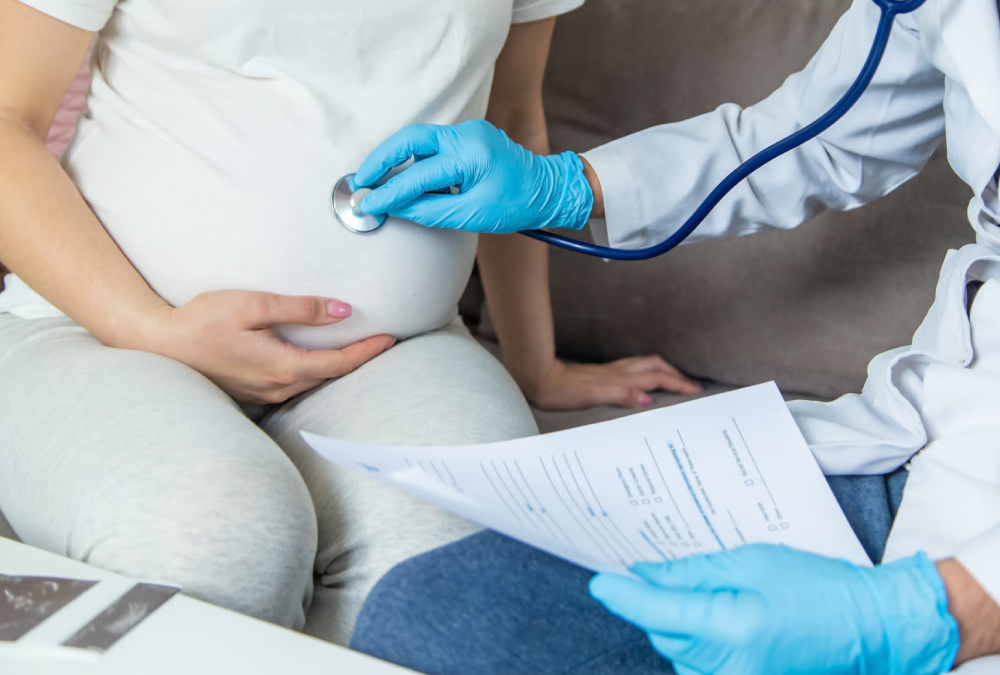
7. Pregnancy Care
Pregnancy is a key reason for gynecologist visits.
When to Visit:
- After pregnancy confirmation
- Regular prenatal checkups
- Any pregnancy complications
Proper care ensures a safe pregnancy.
8. Menopause Symptoms
Women approaching menopause should also seek medical advice.
Symptoms:
- Hot flashes
- Mood changes
- Irregular periods
- Sleep problems
Gynecologists help manage hormonal changes.
9. Breast Changes
Any unusual breast changes should be checked.
Warning Signs:
- Lumps
- Pain
- Discharge from nipples
- Skin changes
Early evaluation is important for breast health.
10. Contraception Advice
Gynecologists also guide on family planning.
Options Include:
- Birth control pills
- IUDs
- Implants
- Emergency contraception
Choosing the right method depends on individual health needs.
11. Routine Checkups
Even without symptoms, regular visits are important.
Why:
- Early detection of diseases
- Monitoring reproductive health
- Preventive care
12. Conclusion
Visiting a gynecologist is an essential part of women’s healthcare at every stage of life. Whether it is menstrual problems, pregnancy care, fertility issues, or hormonal changes, timely consultation can prevent serious health complications.
Many women delay medical visits due to hesitation or lack of awareness, but early diagnosis and treatment are key to maintaining good reproductive health. Regular gynecological care ensures a healthier, safer, and more confident life for women.