
Regular women’s health checkups are one of the most important parts of preventive healthcare. Many serious health conditions in women develop slowly and show very mild or no symptoms in the early stages. Routine checkups help detect these problems early, when they are easier and more effective to treat.
A women’s checkup is not only about reproductive health—it also includes overall wellness such as hormonal balance, breast health, bone health, and mental well-being.
Understanding the importance of regular checkups can help women take control of their health and prevent future complications.
1. Early Detection of Diseases
One of the biggest benefits of regular checkups is early diagnosis.
What Can Be Detected Early:
- Cervical cancer
- Breast cancer
- PCOS
- Thyroid disorders
- Infections
Why It Matters:
Early detection increases the chances of successful treatment and reduces health risks.
2. Monitoring Reproductive Health
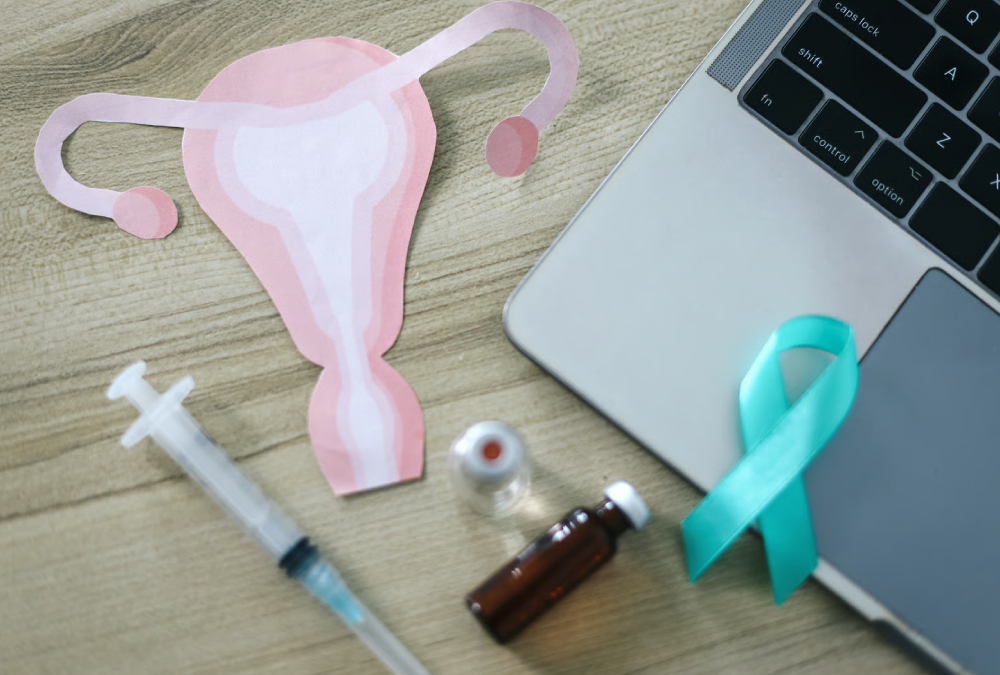
Women’s reproductive system needs regular monitoring.
Checkups Include:
- Menstrual cycle evaluation
- Ovarian health
- Uterus health
- Fertility assessment
Benefits:
- Detects irregularities early
- Helps manage hormonal issues
- Supports fertility planning
3. Breast Health Screening
Breast health is a key part of women’s checkups.
What Doctors Do:
- Physical breast examination
- Mammogram (if needed)
- Checking for lumps or changes
Why It’s Important:
Breast cancer is one of the most common cancers in women, and early detection saves lives.
4. Hormonal Balance Assessment
Hormones control many body functions.
Conditions Monitored:
- PCOS
- Thyroid disorders
- Menstrual irregularities
Benefits:
- Improves energy levels
- Supports mood stability
- Regulates menstrual cycles
5. Prevention of Gynecological Cancers
Regular screenings help prevent serious diseases.
Types of Screenings:
- Pap smear test (cervical cancer screening)
- HPV testing
Importance:
These tests detect abnormal cell changes before they become cancerous.
6. Bone Health Monitoring
Women are at higher risk of bone-related issues, especially after menopause.
Conditions:
- Osteoporosis
- Low bone density
Checkups Help:
- Detect early bone weakness
- Recommend calcium and vitamin D intake
- Suggest preventive exercise
7. Mental Health Support
Women’s health checkups also include emotional well-being.
Common Issues:
- Stress
- Anxiety
- Depression
Benefits of Checkups:
- Early identification of mental health issues
- Counseling and support
- Hormonal impact evaluation
8. Pregnancy Planning and Care
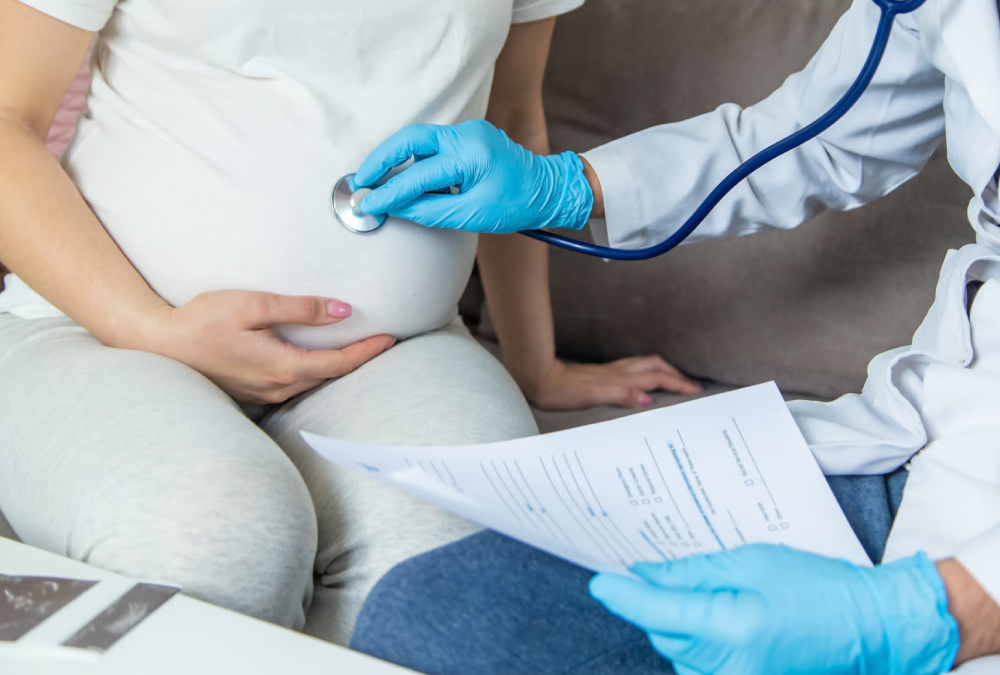
For women planning pregnancy, checkups are essential.
What Doctors Check:
- Overall health condition
- Nutritional status
- Fertility health
- Genetic risks
Benefits:
- Safe pregnancy planning
- Reduced complications
- Healthy baby development
9. Infection Detection and Prevention
Many infections can affect women’s health.
Common Infections:
- Urinary tract infections (UTIs)
- Vaginal infections
- Sexually transmitted infections (STIs)
Checkup Benefits:
- Early diagnosis
- Proper treatment
- Prevention of complications
10. Lifestyle and Nutrition Guidance
Doctors also provide personalized advice.
Includes:
- Diet recommendations
- Exercise plans
- Weight management
- Stress control
Benefits:
- Improves overall health
- Prevents chronic diseases
- Enhances energy levels
11. Tracking Aging and Menopause
As women age, their health needs change.
What Is Monitored:
- Hormonal changes
- Menopause symptoms
- Heart and bone health
Benefits:
- Easier transition through menopause
- Reduced discomfort
- Better long-term health
12. Building a Health History Record
Regular visits help build a complete medical history.
Why It Matters:
- Helps doctors track changes over time
- Improves diagnosis accuracy
- Supports better treatment decisions
13. Conclusion
Regular women’s health checkups are essential for maintaining long-term physical and emotional well-being. They help in early detection of diseases, monitoring reproductive health, preventing serious conditions, and managing hormonal changes effectively.
Many health problems in women develop silently, which is why routine checkups are so important. By making regular visits to a healthcare provider, women can take proactive steps toward a healthier, safer, and more confident life.