Hormones play a central role in a woman’s overall health and well-being. They are chemical messengers produced by glands in the endocrine system and travel through the bloodstream to control many essential body functions. These include reproduction, metabolism, mood, sleep, skin health, and even heart and bone strength.
In women, hormones such as estrogen, progesterone, testosterone, thyroid hormones, and insulin work together in a delicate balance. When this balance is disrupted, it can affect nearly every part of the body.
Understanding how hormones affect women’s health helps in recognizing symptoms early and maintaining long-term wellness.
1. Reproductive Health and Menstrual Cycle
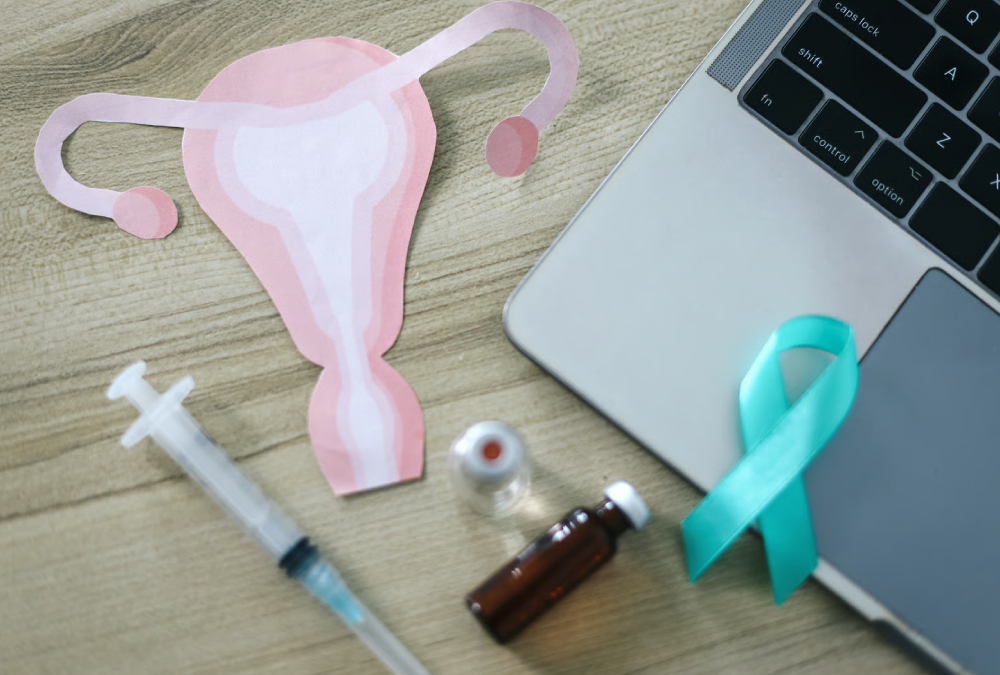
Hormones directly control the female reproductive system.
Key Hormones:
- Estrogen
- Progesterone
How They Affect Health:
- Regulate menstrual cycle
- Control ovulation
- Prepare uterus for pregnancy
Imbalance Effects:
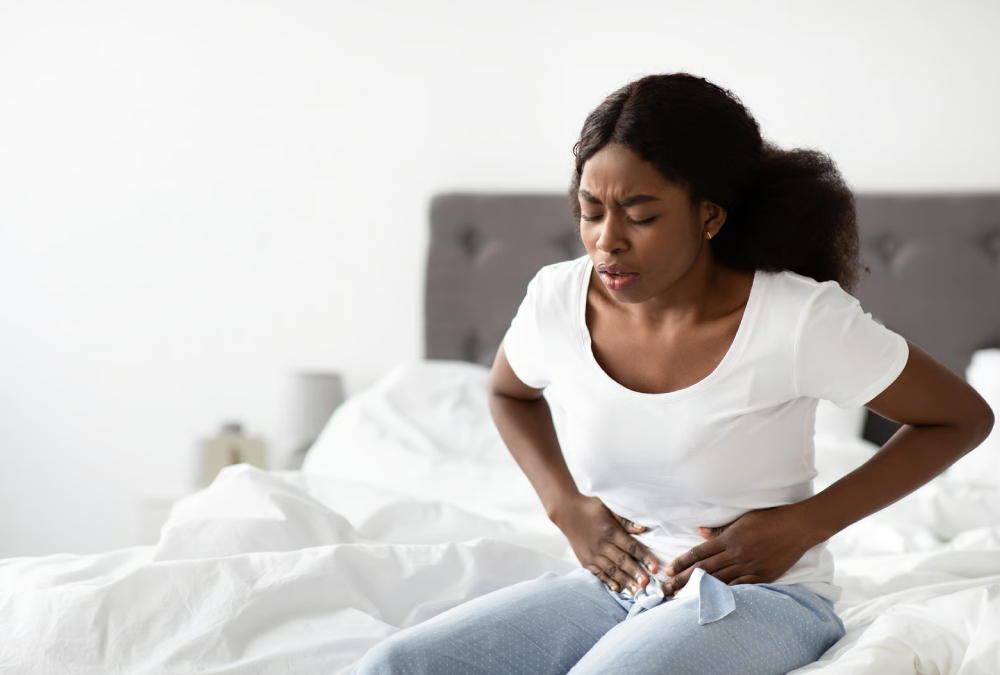
- Irregular periods
- Heavy or missed cycles
- Infertility issues
A healthy hormonal balance is essential for reproductive function.
2. Pregnancy and Fertility
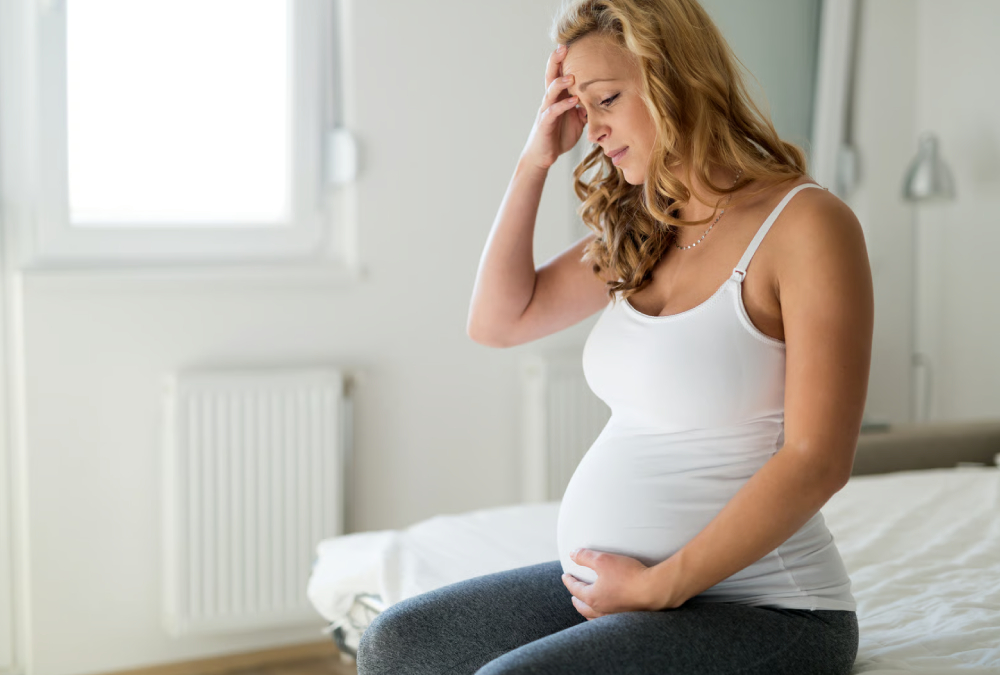
Hormones are crucial for conception and pregnancy.
During Pregnancy:
- Hormones support fetal growth
- Maintain uterine lining
- Prevent early contractions
Important Hormones:
- hCG (human chorionic gonadotropin)
- Progesterone
- Estrogen
Imbalance Effects:
- Miscarriage risk
- Fertility problems
- Pregnancy complications
3. Mood and Mental Health
Hormones strongly influence brain chemistry.
Effects:
- Mood swings
- Anxiety
- Depression
- Irritability
Key Hormones:
- Estrogen (affects serotonin levels)
- Cortisol (stress hormone)
Hormonal changes during menstrual cycle, pregnancy, or menopause can significantly affect emotional well-being.
4. Weight and Metabolism
Hormones control how the body uses and stores energy.
Key Hormones:
- Insulin
- Thyroid hormones
- Cortisol
Effects of Imbalance:
- Weight gain
- Difficulty losing weight
- Fat accumulation in abdomen
Hormonal imbalance often leads to metabolic changes.
5. Skin and Hair Health
Hormones greatly affect appearance.
Effects on Skin:
- Acne breakouts
- Oily or dry skin
- Pigmentation changes
Effects on Hair:
- Hair loss
- Thinning hair
- Excess facial hair (in some conditions like PCOS)
Androgen imbalance is often responsible for these changes.
6. Bone Health
Hormones are essential for strong bones.
Key Hormone:
- Estrogen
Effects:
- Maintains bone density
- Prevents bone loss
After Menopause:
Lower estrogen levels increase risk of osteoporosis.
7. Energy Levels and Fatigue
Hormones regulate energy production.
Causes of Fatigue:
- Thyroid imbalance
- Cortisol fluctuations
- Poor sleep hormones
Effects:
- Constant tiredness
- Low productivity
- Weakness
8. Sleep Cycle Regulation
Hormones control sleep patterns.
Key Hormone:
- Melatonin
Effects:
- Helps regulate sleep cycle
- Controls sleep quality
Imbalance Effects:
- Insomnia
- Disturbed sleep
- Daytime fatigue
9. Sexual Health
Hormones also influence sexual wellness.
Effects:
- Libido (sexual desire)
- Vaginal lubrication
- Comfort during intimacy
Imbalance Effects:
- Low sexual desire
- Discomfort
- Hormonal dryness
10. Heart and Overall Body Health
Hormones also affect cardiovascular health.
Effects:
- Blood pressure regulation
- Cholesterol levels
- Blood sugar control
Hormonal imbalance may increase risk of heart disease over time.
Conclusion
Hormones have a powerful influence on nearly every system in a woman’s body. From reproductive health and mood to metabolism, skin, bones, and energy levels, hormonal balance is essential for overall well-being.
When hormones are balanced, the body functions smoothly. When they are disrupted, a wide range of physical and emotional symptoms can appear. Understanding these effects helps women take early action, seek proper medical care, and maintain a healthier lifestyle.