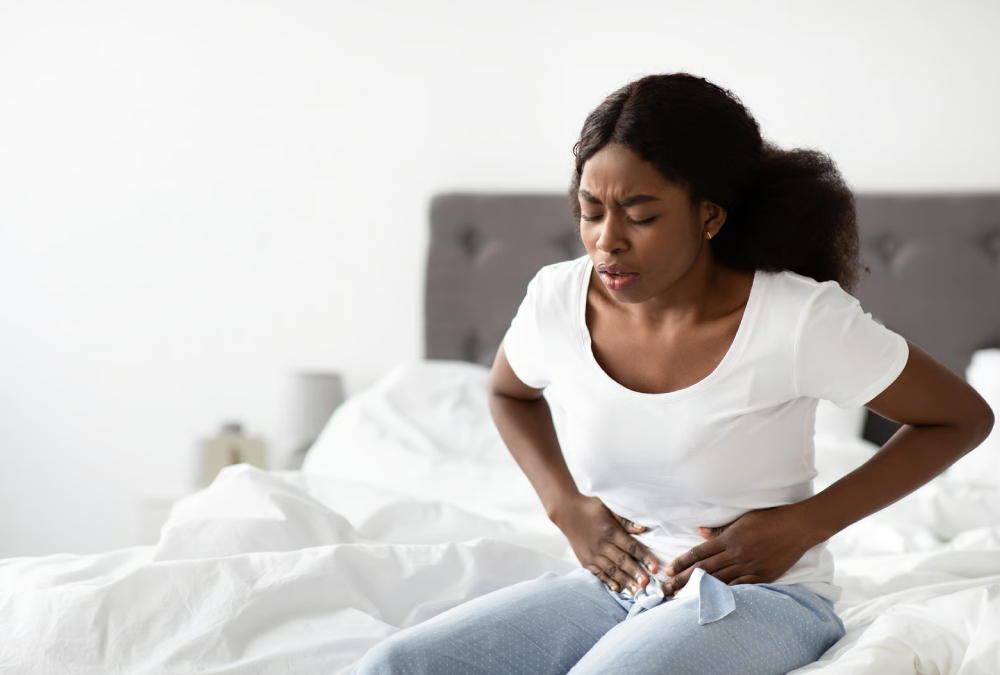
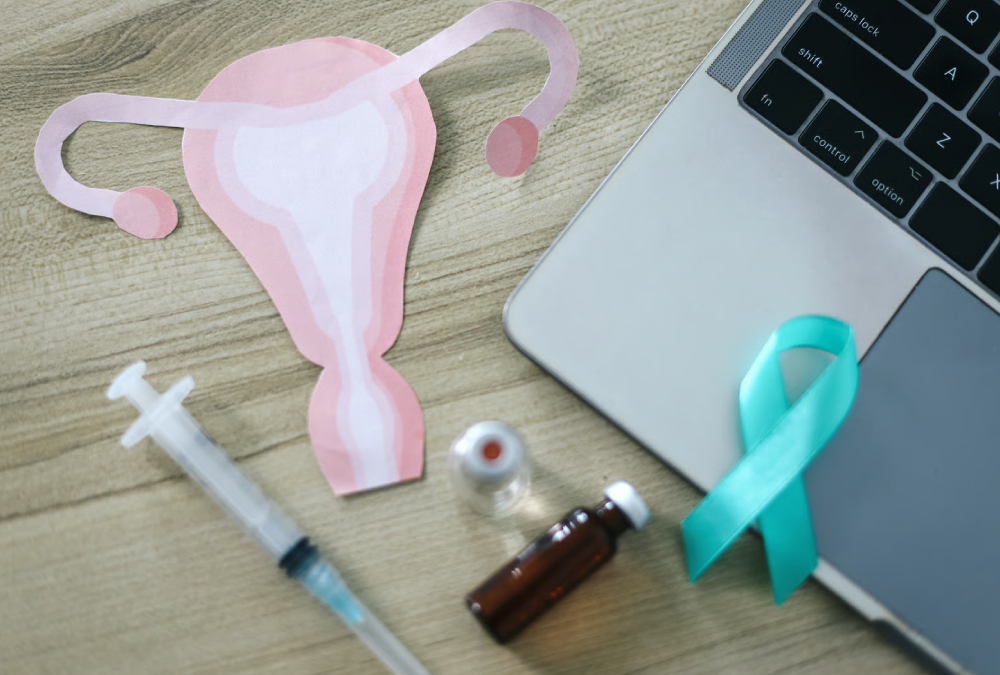
Polycystic Ovary Syndrome (PCOS) is one of the most common hormonal disorders in women of reproductive age. It affects how the ovaries function and often leads to irregular periods, excess androgen (male hormone) levels, weight gain, acne, and fertility issues.
PCOS does not have a single “cure,” but it can be effectively managed with the right combination of lifestyle changes, medications, and medical treatments. Early diagnosis and consistent care are key to controlling symptoms and preventing long-term complications.
1. Lifestyle Changes (First-Line Treatment)
Lifestyle modification is the most important and effective part of PCOS management.
Healthy Diet
A balanced diet helps regulate hormones and insulin levels.
Recommended Foods:
- High-fiber vegetables
- Whole grains
- Lean proteins (chicken, fish, eggs)
- Nuts and seeds
- Low-glycemic fruits
Foods to Avoid:
- Sugary foods and drinks
- Processed foods
- Excess refined carbs
Benefits:
- Improves insulin sensitivity
- Helps weight control
- Regulates menstrual cycles
2. Regular Exercise
Physical activity plays a major role in managing PCOS.
Recommended Activities:
- Walking
- Jogging
- Yoga
- Strength training
Benefits:
- Reduces insulin resistance
- Helps with weight loss
- Improves hormonal balance
- Enhances mood
Even 30 minutes daily can make a big difference.
3. Weight Management
Even a small reduction in weight can improve PCOS symptoms.
Why It Matters:
- Reduces excess androgen levels
- Restores ovulation
- Improves fertility
Tip:
A 5–10% weight loss can significantly improve symptoms in many women.
4. Medications for Hormonal Regulation
Doctors often prescribe medications to balance hormones.
Common Medicines:
- Birth control pills (regulate periods)
- Anti-androgen medications (reduce acne and hair growth)
- Metformin (improves insulin resistance)
Benefits:
- Regulates menstrual cycles
- Reduces acne and excess hair growth
- Improves metabolic health
5. Fertility Treatments
For women trying to conceive, special treatments are available.
Options Include:
- Ovulation-inducing medications (like Clomiphene)
- Hormonal injections
- Assisted reproductive techniques (if needed)
Purpose:
To stimulate ovulation and improve chances of pregnancy.
6. Insulin Resistance Treatment
Many women with PCOS have insulin resistance.
Treatment:
- Metformin medication
- Low-carb diet
- Regular exercise
Benefits:
- Controls blood sugar
- Reduces weight gain
- Improves ovulation
7. Skin and Hair Treatments
PCOS often causes skin and hair issues.
For Acne:
- Topical creams
- Oral medications
- Dermatological treatments
For Excess Hair (Hirsutism):
- Laser hair removal
- Anti-androgen therapy
- Electrolysis
For Hair Loss:
- Minoxidil
- PRP therapy
- Nutritional support
8. Stress Management
Stress worsens hormonal imbalance.
Helpful Techniques:
- Meditation
- Yoga
- Deep breathing
- Proper sleep routine
Benefits:
- Reduces cortisol levels
- Improves hormonal balance
- Supports emotional health
9. Sleep and Daily Routine
Good sleep is essential for hormone regulation.
Tips:
- Sleep 7–8 hours daily
- Maintain regular sleep schedule
- Avoid screen time before bed
10. Natural and Herbal Support (With Medical Advice)
Some natural remedies may support treatment.
Examples:
- Spearmint tea (may reduce androgen levels)
- Cinnamon (helps insulin sensitivity)
- Herbal supplements (doctor-approved only)
Always consult a doctor before using supplements.
11. Regular Medical Monitoring
PCOS requires long-term management.
Why Follow-Ups Are Important:
- Track hormone levels
- Adjust treatment plans
- Prevent complications like diabetes
12. Conclusion
PCOS is a common but manageable hormonal condition. While it can affect periods, fertility, skin, hair, and weight, proper treatment can significantly improve symptoms and quality of life.
The best approach includes a combination of healthy lifestyle changes, medication, exercise, stress management, and regular medical care. With consistent effort and guidance from a healthcare professional, women with PCOS can live a healthy, balanced, and confident life.