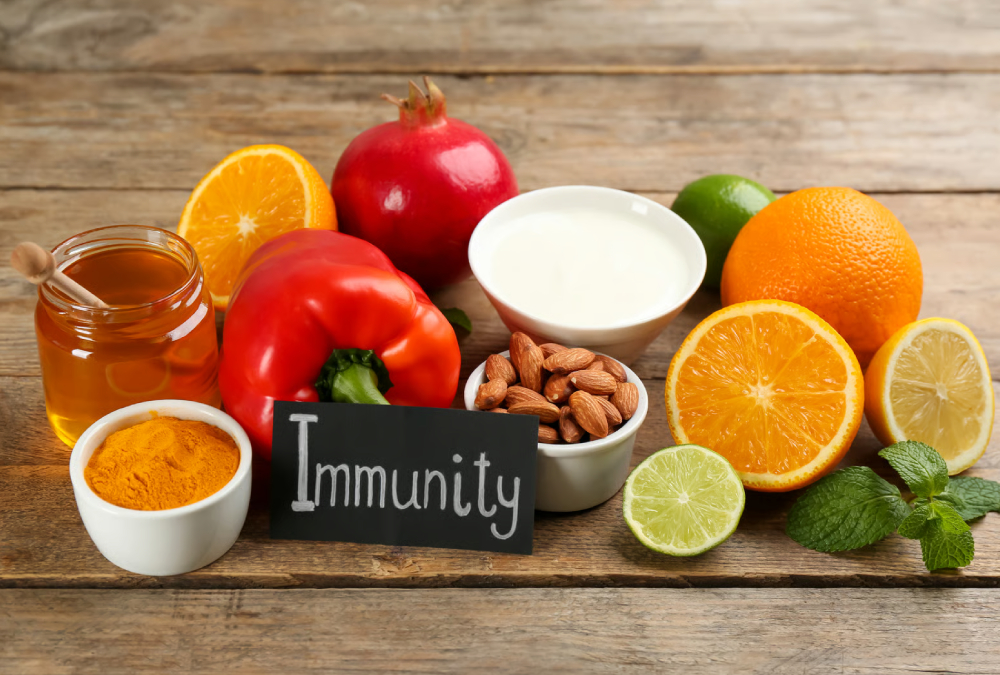

Good nutrition is one of the most important foundations for a child’s growth, development, and long-term health. During childhood, the body grows rapidly, the brain develops quickly, and energy needs are high. That’s why healthy eating habits are essential from an early age.
Proper nutrition not only supports physical growth but also improves concentration, immunity, mood, and academic performance. Building healthy eating habits in childhood also reduces the risk of obesity, diabetes, and other lifestyle diseases later in life.
Understanding healthy eating tips for kids can help parents make better food choices for their children.
1. Include a Balanced Diet
A balanced diet is the key to healthy growth.
What It Includes:
- Carbohydrates (energy source)
- Proteins (growth and muscle development)
- Fats (brain development)
- Vitamins and minerals (overall health)
Healthy Meal Example:
- Breakfast: Milk, eggs, whole grain toast
- Lunch: Rice, vegetables, chicken or lentils
- Dinner: Light meal with vegetables and protein
Balanced meals ensure proper development.
2. Encourage Fruits and Vegetables
Fruits and vegetables are rich in vitamins and fiber.
Benefits:
- Strengthen immunity
- Improve digestion
- Support brain development
Tips:
- Offer colorful fruits daily
- Add vegetables to meals creatively
- Make smoothies or fruit salads
Children are more likely to eat them when presented in fun ways.
3. Limit Junk Food
Junk food should be given occasionally, not regularly.
Harmful Effects:
- Weight gain
- Low energy levels
- Poor nutrition
- Risk of obesity
Examples:
- Chips
- Fast food
- Sugary snacks
Reducing junk food helps build healthier habits.
4. Encourage Healthy Breakfast
Breakfast is the most important meal of the day.
Benefits:
- Improves concentration
- Provides energy for school
- Prevents overeating later
Healthy Options:
- Oats
- Eggs
- Whole grain cereals
- Milk and fruits
Skipping breakfast should be avoided.
5. Provide Protein-Rich Foods
Protein is essential for growth.
Sources:
- Eggs
- Milk
- Chicken
- Fish
- Lentils and beans
Benefits:
- Builds muscles
- Supports growth
- Strengthens immunity
6. Keep Kids Hydrated
Water is often overlooked but very important.
Benefits:
- Improves digestion
- Maintains energy
- Supports brain function
Tips:
- Encourage water instead of sugary drinks
- Limit soda and packaged juices
7. Reduce Sugar Intake
Excess sugar can harm children’s health.
Effects:
- Tooth decay
- Weight gain
- Energy crashes
Tips:
- Limit sweets and candies
- Offer natural sugars from fruits
8. Healthy Snacking Habits
Snacks should also be nutritious.
Healthy Snack Options:
- Fruits
- Nuts (age-appropriate)
- Yogurt
- Whole grain crackers
Avoid processed snacks whenever possible.
9. Make Eating Fun
Children respond well to fun and creativity.
Ideas:
- Colorful plates
- Fun food shapes
- Involving kids in meal preparation
This encourages healthy eating habits.
10. Teach Portion Control
Overeating can lead to health problems.
Tips:
- Serve small portions
- Let children eat when hungry
- Avoid forcing food
11. Set a Good Example
Children learn from parents.
Importance:
- Parents should eat healthy foods
- Family meals encourage good habits
12. Maintain Regular Meal Times
Consistency helps digestion and routine.
Benefits:
- Improves metabolism
- Reduces unhealthy snacking
- Builds discipline
Conclusion
Healthy eating habits in childhood are essential for proper growth, brain development, and long-term health. A balanced diet rich in fruits, vegetables, proteins, and whole grains supports physical and mental development, while limiting junk food and sugar helps prevent future health problems.
By encouraging good nutrition, maintaining regular meal routines, and setting a positive example, parents can build strong, lifelong healthy eating habits in their children.