Monitoring a child’s development is an essential part of pediatric healthcare. Doctors don’t just focus on illness—they also carefully observe how a child is growing physically, mentally, socially, and emotionally. This process is called developmental monitoring or developmental tracking.
By tracking development regularly, doctors can make sure a child is meeting important milestones and can quickly identify any delays that may need attention.
1. Regular Growth Checkups
One of the main ways doctors track development is through routine checkups.
What Is Monitored:
- Height
- Weight
- Head circumference (for infants)
- Body mass index (BMI)
Why It Matters:
- Ensures healthy physical growth
- Detects malnutrition or obesity early
- Compares growth with age standards
Doctors usually plot this data on growth charts.
2. Developmental Milestone Assessment
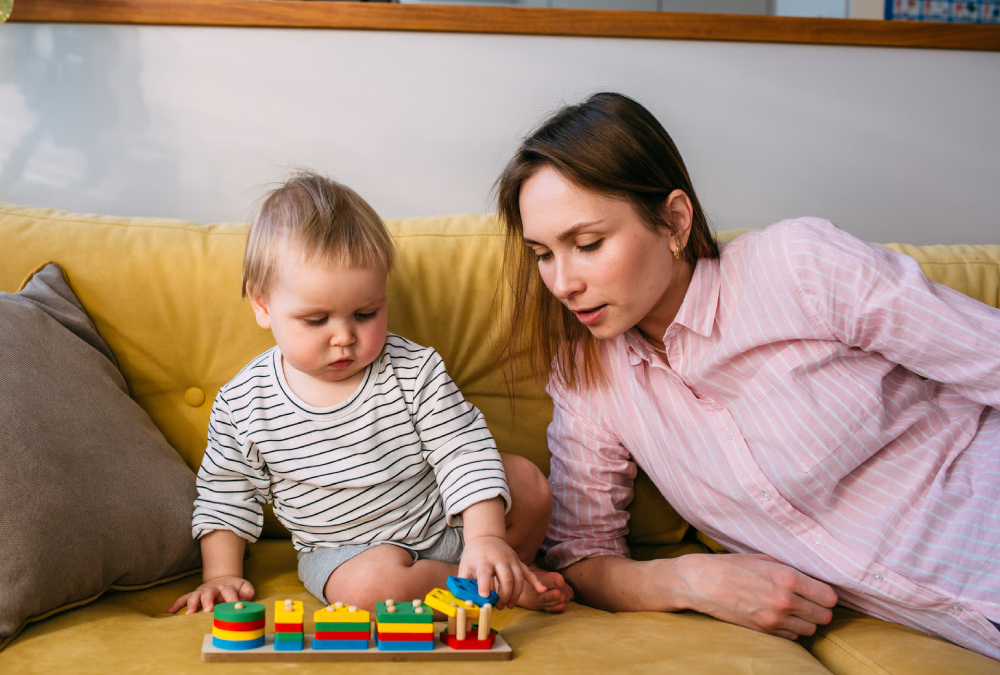
Doctors check whether a child is achieving age-appropriate milestones.
Areas Checked:
- Motor skills (sitting, walking, running)
- Language skills (speaking, understanding)
- Social behavior (interaction with others)
- Cognitive skills (thinking, learning)
Example:
- A 1-year-old should be able to say simple words
- A 2-year-old should walk independently
This helps identify delays early.
3. Growth Charts
Growth charts are an important tool used by doctors.
What They Show:
- Child’s growth compared to other children of same age
- Patterns over time
Importance:
- Detects slow or abnormal growth
- Helps track long-term health trends
Consistent tracking is more important than a single measurement.
4. Physical Examination
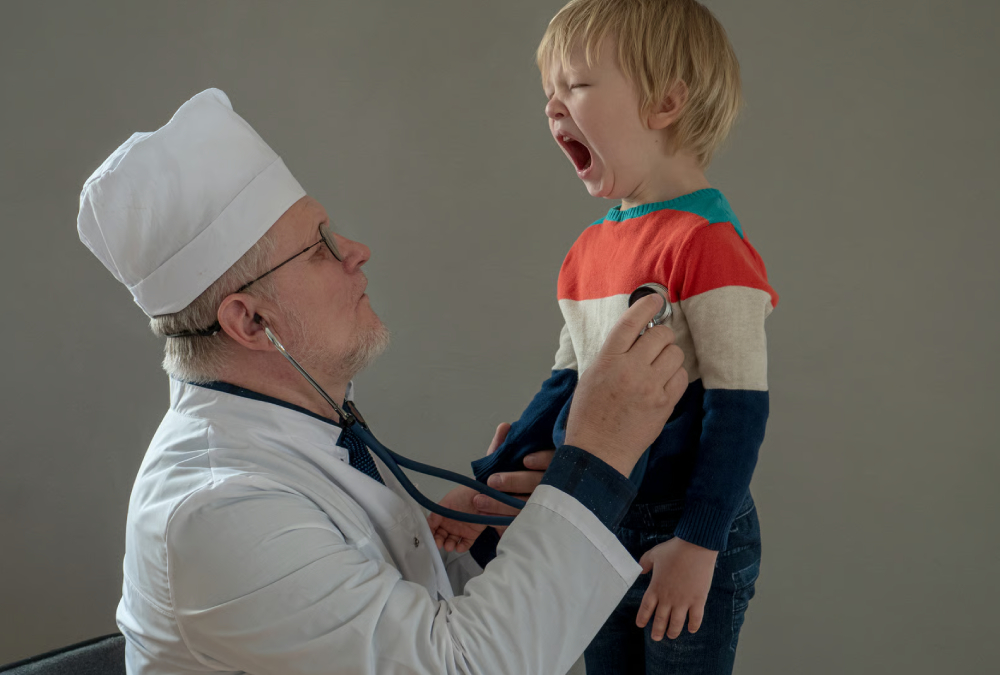
Doctors perform a complete physical checkup.
What Is Checked:
- Muscle strength
- Reflexes
- Coordination
- Vision and hearing
Purpose:
To ensure the child’s body is developing properly.
5. Behavioral Observation
Doctors also observe how the child behaves during visits.
What They Look For:
- Eye contact
- Response to parents and doctor
- Social interaction
- Emotional reactions
Behavior often gives clues about development.
6. Parental Feedback
Parents play a very important role in tracking development.
Doctors Ask About:
- Daily behavior at home
- Eating and sleeping habits
- Language use
- Play activities
Parents’ observations help complete the picture of development.
7. Developmental Screening Tests
In some cases, doctors use screening tools.
Examples:
- Questionnaires
- Standardized tests
- Developmental checklists
Purpose:
- Identify potential delays early
- Decide if further evaluation is needed
8. Hearing and Vision Tests
Sensory development is crucial for learning.
Hearing Checks:
- Response to sounds
- Speech development
Vision Checks:
- Ability to focus
- Eye movement coordination
Problems in hearing or vision can affect overall development.
9. Cognitive and Learning Assessment
For older children, doctors assess thinking skills.
What Is Checked:
- Memory
- Problem-solving ability
- Attention span
- School performance
This helps identify learning difficulties early.
10. Emotional and Social Development Tracking
Emotional health is also monitored.
Doctors Observe:
- Interaction with peers
- Emotional responses
- Behavior changes
Importance:
Healthy emotional development is essential for confidence and relationships.
11. Vaccination and Health History Review
Doctors also review medical history.
Includes:
- Vaccination records
- Past illnesses
- Family medical history
This helps understand overall health risks.
12. Early Intervention if Needed
If any delay is detected, doctors recommend early intervention.
May Include:
- Speech therapy
- Physical therapy
- Occupational therapy
- Special education support
Why It Matters:
Early treatment improves long-term outcomes significantly.
Conclusion
Doctors use a combination of physical exams, developmental milestone tracking, growth charts, behavioral observation, and parental input to monitor a child’s development.
This regular tracking helps ensure that children are growing healthily and meeting important milestones at the right time. If any delays are found, early intervention allows better support and improved development outcomes.