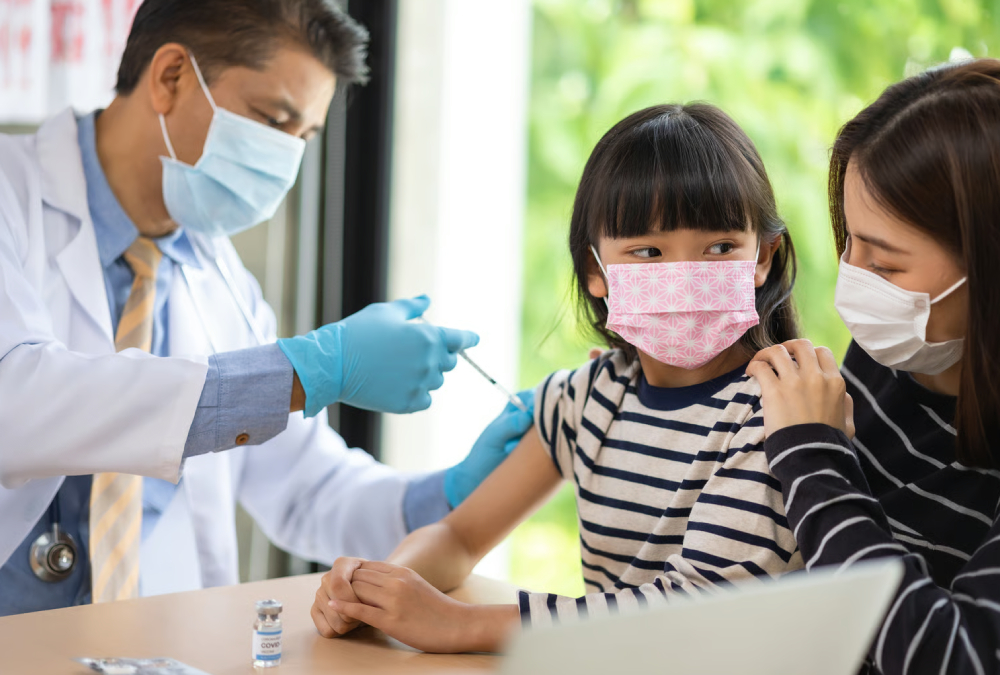
Vaccination is one of the most effective ways to protect children from serious and potentially life-threatening diseases. Vaccines help build immunity by preparing the child’s immune system to fight infections without actually causing the illness.
For parents, understanding the vaccination schedule and importance is essential to ensure their child grows up healthy, protected, and strong. Vaccination not only protects individual children but also helps prevent the spread of diseases in the community.
1. What Are Vaccines?
Vaccines are medical preparations that stimulate the immune system to recognize and fight specific diseases.
How They Work:
- Introduce a weakened or inactive form of a virus or bacteria
- Train the immune system to recognize it
- Build immunity without causing illness
2. Why Vaccination Is Important
Vaccination plays a critical role in child health.
Benefits:
- Prevents serious diseases
- Reduces risk of complications
- Protects against life-threatening infections
- Helps build community immunity (herd immunity)
3. Key Diseases Prevented by Vaccines
Vaccines protect children from many dangerous diseases.
Examples:
- Measles
- Polio
- Hepatitis B
- Diphtheria
- Tetanus
- Whooping cough
- Chickenpox
These diseases can cause severe health problems if not prevented.
4. National Immunization Schedule
Most countries follow a structured vaccination schedule.
Common Timeline:
- At Birth: BCG, Hepatitis B, Polio
- 6 Weeks: DTP, Polio, Rotavirus
- 10 Weeks: Second dose of vaccines
- 14 Weeks: Final early doses
- 9–12 Months: Measles/MR vaccine
- Booster doses: Given at later ages
Exact schedules may vary depending on country guidelines.
5. Booster Vaccines
Booster doses are given to maintain immunity.
Why They Are Needed:
- Strengthen immune protection
- Ensure long-term effectiveness
When Given:
- Childhood
- School age
- Adolescence
6. Side Effects of Vaccines
Most vaccines are safe and well-tolerated.
Common Mild Side Effects:
- Mild fever
- Redness or swelling at injection site
- Slight tiredness
Important Note:
Severe reactions are extremely rare.
7. Importance of Timely Vaccination
Timing is very important in vaccination.
Why:
- Delayed vaccines reduce protection
- Early vaccination protects infants when they are most vulnerable
Parents should follow the schedule strictly.
8. Missed Vaccinations
Sometimes doses may be missed.
What to Do:
- Consult pediatrician immediately
- Follow catch-up schedule
Never skip vaccines permanently.
9. Vaccine Safety
Vaccines go through strict testing before approval.
Safety Measures:
- Clinical trials
- Government approval
- Continuous monitoring
Vaccines are safe and widely trusted worldwide.
10. Role of Parents in Vaccination
Parents play a key role in ensuring vaccination.
Responsibilities:
- Keeping vaccination records
- Following schedule on time
- Consulting doctor regularly
- Educating themselves about vaccines
11. Myths About Vaccination
There are many misconceptions about vaccines.
Common Myths:
- Vaccines cause disease
- Too many vaccines weaken immunity
- Natural immunity is better than vaccines
Fact:
Vaccines are scientifically proven to be safe and effective.
12. Conclusion
Vaccination is one of the most important steps in protecting a child’s health. It prevents serious diseases, strengthens immunity, and ensures healthy growth and development.
By following the recommended vaccination schedule and staying informed, parents can protect their children from many life-threatening illnesses. Vaccination is not just a personal choice—it is a responsibility toward a healthier future for every child and the community.