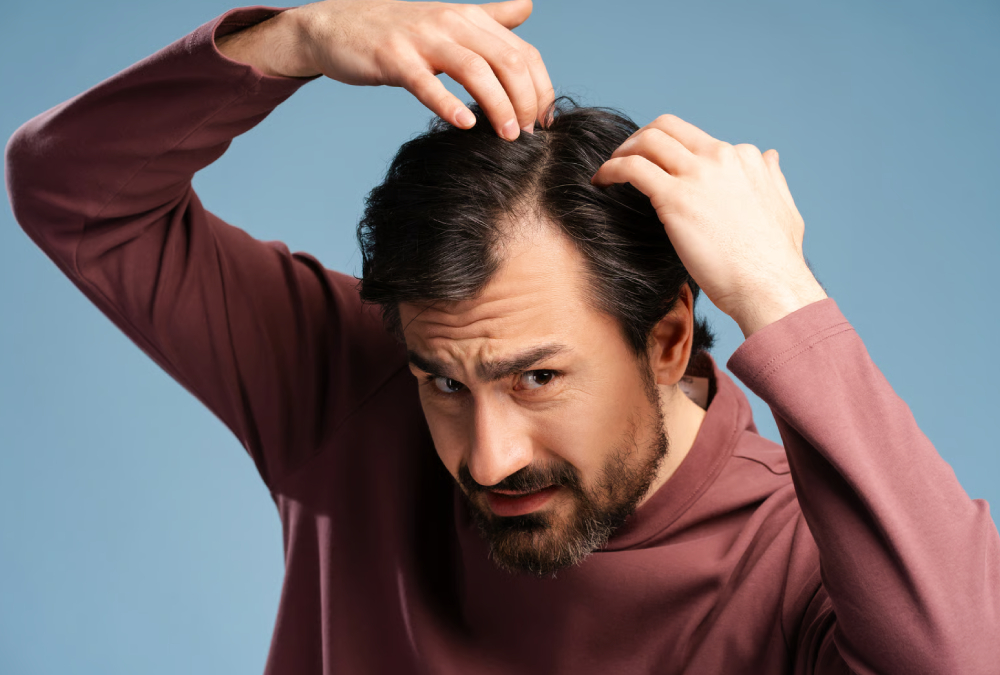
Hair loss is one of the most common problems affecting both men and women. It can happen gradually or suddenly, and it often leads to stress, low confidence, and concern about overall health. While losing some hair daily is normal, excessive hair fall indicates an underlying issue that needs attention.
Hair loss is not caused by a single factor. Instead, it usually results from a combination of genetics, lifestyle, medical conditions, and environmental factors. Understanding the causes of hair loss is the first step toward effective treatment and prevention.
1. Genetic Factors (Hereditary Hair Loss)
The most common cause of hair loss is genetics, also known as androgenetic alopecia.
How It Works:
- Inherited sensitivity to hormones
- Gradual shrinking of hair follicles
- Thinning of hair over time
In Men:
- Receding hairline
- Bald spots on the crown
In Women:
- General thinning of hair
- Wider hair parting
Genetic hair loss usually progresses slowly over years.
2. Hormonal Changes
Hormones play a major role in hair growth.
Common Causes:
- Pregnancy and childbirth
- Menopause
- Thyroid disorders
- Polycystic ovary syndrome (PCOS)
Effects:
- Disruption in hair growth cycle
- Increased hair shedding
- Thinning of hair
Balancing hormones is essential for healthy hair.
3. Stress and Emotional Factors
Stress is a major trigger for temporary hair loss.
How It Affects Hair:
- Pushes hair into resting phase
- Leads to sudden shedding (telogen effluvium)
Causes of Stress:
- Work pressure
- Emotional trauma
- Lack of sleep
- Anxiety
Managing stress can help restore normal hair growth.
4. Poor Nutrition
Diet directly affects hair health.
Deficiencies That Cause Hair Loss:
- Iron deficiency
- Vitamin D deficiency
- Protein deficiency
- Zinc deficiency
Effects:
- Weak hair roots
- Slow growth
- Increased breakage
A balanced diet is essential for strong hair.
5. Medical Conditions
Certain diseases can lead to hair loss.
Common Conditions:
- Thyroid disorders
- Autoimmune diseases (alopecia areata)
- Scalp infections
- Chronic illnesses
Impact:
- Sudden or patchy hair loss
- Weak hair structure
Treating the underlying condition often improves hair growth.
6. Medications and Treatments
Some medicines have hair loss as a side effect.
Examples:
- Chemotherapy drugs
- Blood pressure medications
- Antidepressants
Why It Happens:
These drugs can affect the hair growth cycle temporarily.
7. Poor Hair Care Practices
Incorrect hair care habits can damage hair.
Harmful Practices:
- Excessive heat styling
- Frequent chemical treatments
- Harsh shampoos
- Tight hairstyles
Effects:
- Hair breakage
- Weak roots
- Scalp damage
Proper care is important for healthy hair growth.
8. Environmental Factors
Environmental exposure also affects hair health.
Causes:
- Pollution
- Sun exposure
- Hard water
- Dust and dirt
Effects:
- Dry and brittle hair
- Scalp irritation
- Weak follicles
Protecting hair from environmental damage is essential.
9. Aging
Hair naturally changes with age.
What Happens:
- Reduced hair growth rate
- Thinning of strands
- Loss of pigmentation (grey hair)
Aging affects both men and women differently.
10. Excessive Chemical Use
Frequent use of chemicals can damage hair structure.
Examples:
- Hair dyes
- Straightening treatments
- Bleaching products
Effects:
- Weak hair strands
- Breakage
- Scalp irritation
Limiting chemical exposure helps maintain healthy hair.
Conclusion
Hair loss is caused by many factors including genetics, hormones, stress, poor diet, medical conditions, and environmental damage. It is not always permanent, and in many cases, it can be controlled or reversed with proper care.
Understanding the root cause is the most important step in treating hair loss effectively. Once the cause is identified, suitable treatments, lifestyle changes, and medical care can help restore healthy hair growth and improve overall scalp health.