
Dermatologists are medical doctors who specialize in diagnosing and treating conditions related to the skin, hair, and nails. Skin is the largest organ of the body, and it is exposed daily to pollution, sunlight, bacteria, and environmental damage. Because of this, skin problems are very common and can range from mild issues like acne to serious conditions like skin cancer.
Dermatologists use a combination of medical knowledge, diagnostic tools, and advanced treatments to manage skin problems effectively. Understanding how dermatologists treat skin conditions can help you know what to expect during a visit and how treatments actually work.
What Do Dermatologists Treat?
Dermatologists handle a wide range of skin conditions.
Common Skin Problems:
- Acne and acne scars
- Eczema (skin inflammation)
- Psoriasis
- Fungal infections
- Skin allergies
- Pigmentation issues
- Hair loss
- Warts and moles
- Skin infections
They also treat cosmetic concerns like wrinkles, dark spots, and uneven skin tone.
Step 1: Diagnosis of Skin Problem
The first step is always proper diagnosis.
What Happens During Consultation:
- Skin examination
- Medical history review
- Questions about symptoms and lifestyle
Why It Is Important:
Correct diagnosis ensures the right treatment plan. Many skin conditions look similar but require different treatments.
Step 2: Skin Tests (If Needed)
In some cases, dermatologists perform tests.
Common Tests:
- Skin biopsy
- Allergy tests
- Blood tests
- Skin swabs for infection
Purpose:
To identify the exact cause of the problem and rule out serious conditions.
Step 3: Prescription Medications
Many skin conditions are treated with medicines.
Types of Medications:
1. Topical Treatments (Creams and Ointments)
- Acne creams
- Anti-fungal creams
- Steroid creams
- Moisturizers
2. Oral Medications
- Antibiotics
- Antihistamines
- Acne pills
- Hormonal treatments
Why They Work:
They reduce inflammation, kill bacteria, and control skin reactions.
Step 4: Acne and Scar Treatments
Dermatologists offer specialized treatments for acne.
Options Include:
- Chemical peels
- Laser therapy
- Microneedling
- Extraction procedures
Benefits:
- Clears active acne
- Reduces scars
- Improves skin texture
Step 5: Laser Treatments
Laser technology is widely used in dermatology.
How It Works:
Laser beams target specific skin layers to treat damaged tissue and stimulate healing.
Used For:
- Acne scars
- Pigmentation
- Wrinkles
- Hair removal
Benefits:
- Precise treatment
- Faster recovery
- Long-lasting results
Step 6: Chemical Peels
Chemical peels improve skin appearance by removing damaged outer layers.
How It Works:
A chemical solution is applied to exfoliate skin and promote new cell growth.
Benefits:
- Brightens skin
- Reduces pigmentation
- Improves acne scars
Step 7: Cryotherapy
Cryotherapy uses extreme cold to treat skin issues.
How It Works:
Liquid nitrogen is applied to freeze abnormal skin cells.
Used For:
- Warts
- Moles
- Precancerous lesions
Benefits:
- Quick procedure
- Minimal discomfort
- Effective removal
Step 8: Surgical Procedures
For certain conditions, minor surgery is required.
Examples:
- Mole removal
- Skin biopsy
- Cyst removal
Purpose:
To remove abnormal or problematic skin growths safely.
Step 9: Cosmetic Dermatology Treatments
Dermatologists also improve appearance using cosmetic procedures.
Common Treatments:
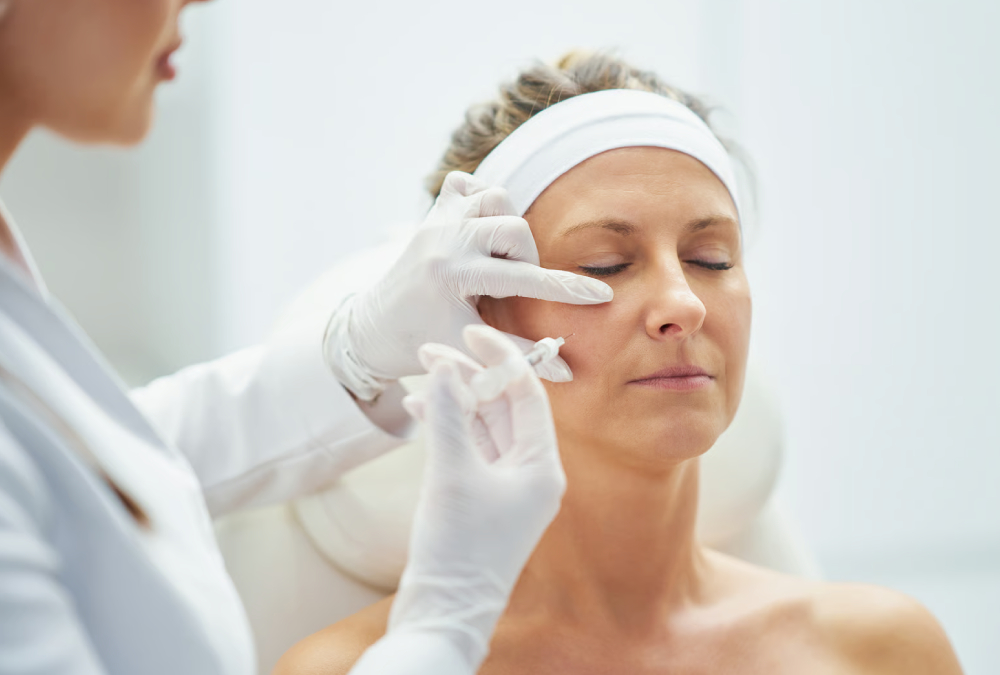
- Botox injections
- Dermal fillers
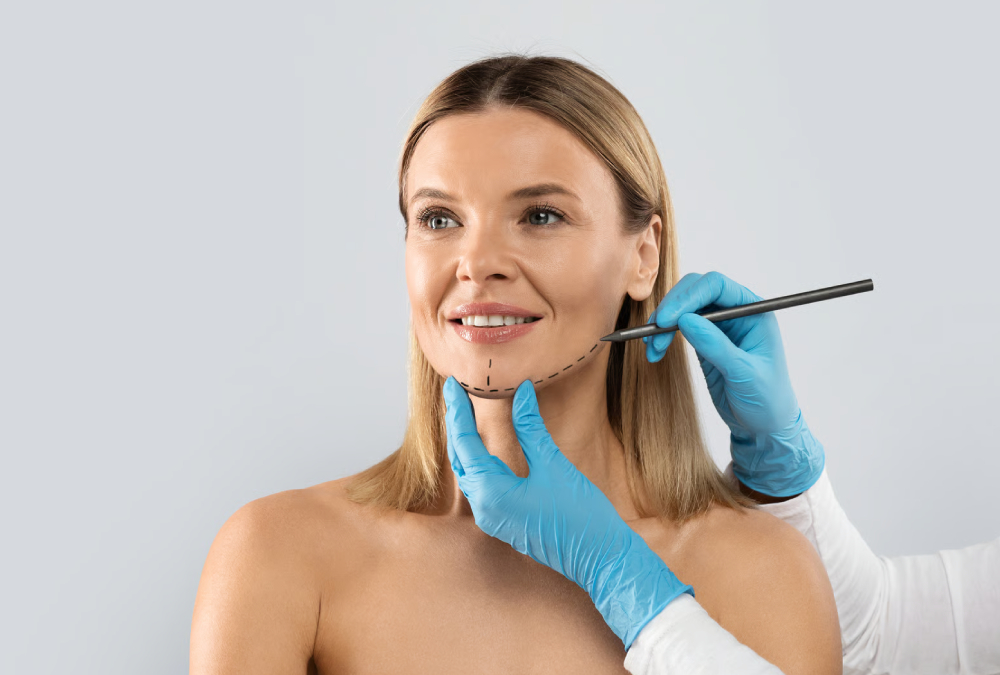
- Skin tightening
- Anti-aging treatments
Benefits:
- Reduces wrinkles
- Restores youthful appearance
- Improves skin volume
Step 10: Treatment for Hair Problems
Dermatologists also treat hair and scalp conditions.
Treatments Include:
- Hair loss medications
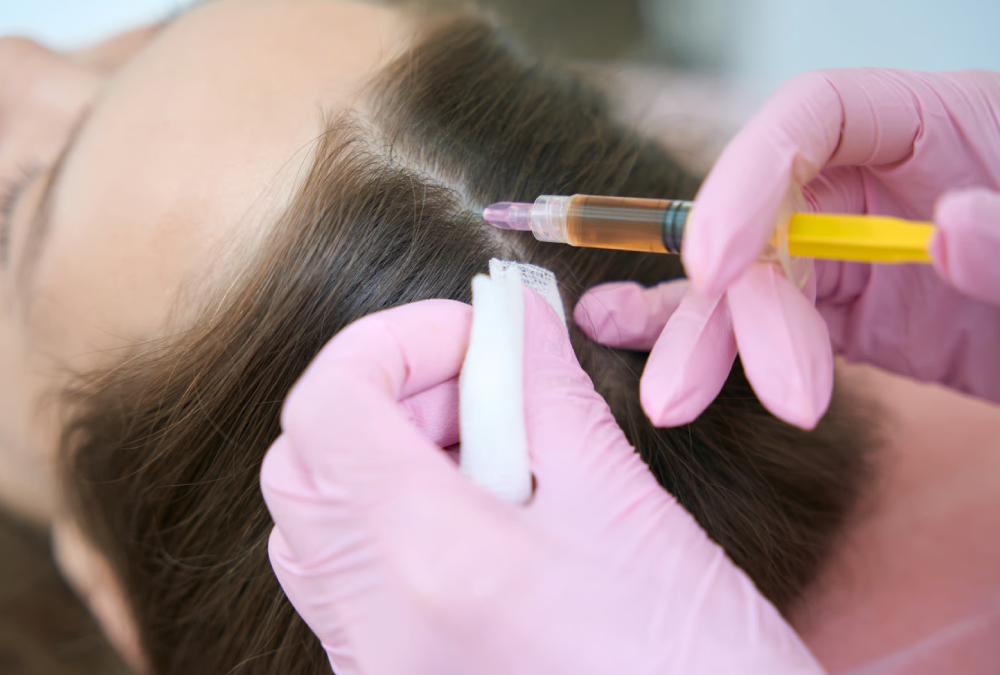
- PRP therapy
- Scalp treatments
- Anti-dandruff solutions
Conditions Treated:
- Alopecia
- Dandruff
- Scalp infections
Step 11: Lifestyle and Skincare Advice
Dermatologists also guide patients on daily skincare.
Recommendations:
- Use gentle cleansers
- Apply sunscreen daily
- Avoid harsh chemicals
- Maintain hydration
- Follow healthy diet
Why It Matters:
Good skincare supports medical treatments and prevents future problems.
Step 12: Follow-Up Visits
Regular follow-ups are important.
Purpose:
- Monitor progress
- Adjust treatment
- Prevent recurrence
Skin conditions often require ongoing care for best results.
Conclusion
Dermatologists treat skin problems using a combination of medical expertise, diagnostic tools, and advanced treatments. From acne and pigmentation to serious skin conditions, they provide both medical and cosmetic solutions tailored to each patient.
Their approach includes diagnosis, medications, procedures like laser or chemical peels, and lifestyle guidance. This ensures not only treatment of the problem but also long-term skin health.
Visiting a dermatologist early can prevent minor skin issues from becoming serious and help maintain healthy, clear, and confident skin.