Scalp problems are very common and can affect people of all ages. Issues like dandruff, itching, hair fall, infections, and inflammation often start from an unhealthy scalp. Since the scalp is the foundation of healthy hair growth, any problem in this area can directly impact hair strength, density, and appearance.
Dermatologists (skin and hair specialists) are trained to diagnose and treat a wide range of scalp conditions. Their approach is not just about treating symptoms, but also finding the root cause and preventing the problem from returning.
Understanding how doctors treat scalp problems can help you know what to expect during consultation and treatment.
1. Diagnosis of Scalp Condition
The first step is proper diagnosis.
What Doctors Do:
- Examine scalp closely
- Ask about symptoms (itching, flakes, hair loss)
- Review medical history
- Check lifestyle and hair care routine
Why It Is Important:
Different scalp conditions can look similar but require completely different treatments.
2. Scalp Examination and Tests
In some cases, additional tests are needed.
Common Tests:
- Dermatoscopy (scalp magnification tool)
- Blood tests
- Fungal tests
- Scalp biopsy (rare cases)
Purpose:
To identify infections, deficiencies, or underlying diseases.
3. Treatment for Dandruff
Dandruff is one of the most common scalp problems.
Causes:
- Dry scalp
- Fungal infection (Malassezia)
- Oily scalp imbalance
Treatments:
- Anti-dandruff shampoos (ketoconazole, zinc pyrithione)
- Medicated lotions
- Scalp cleansing routines
Results:
Reduces flakes, itching, and scalp irritation.
4. Treatment for Scalp Infections
Scalp infections can be bacterial or fungal.
Symptoms:
- Redness
- Itching
- Pus or sores
- Hair loss patches
Treatments:
- Antibiotics (for bacterial infections)
- Antifungal medicines
- Medicated shampoos
Timely treatment prevents permanent hair damage.
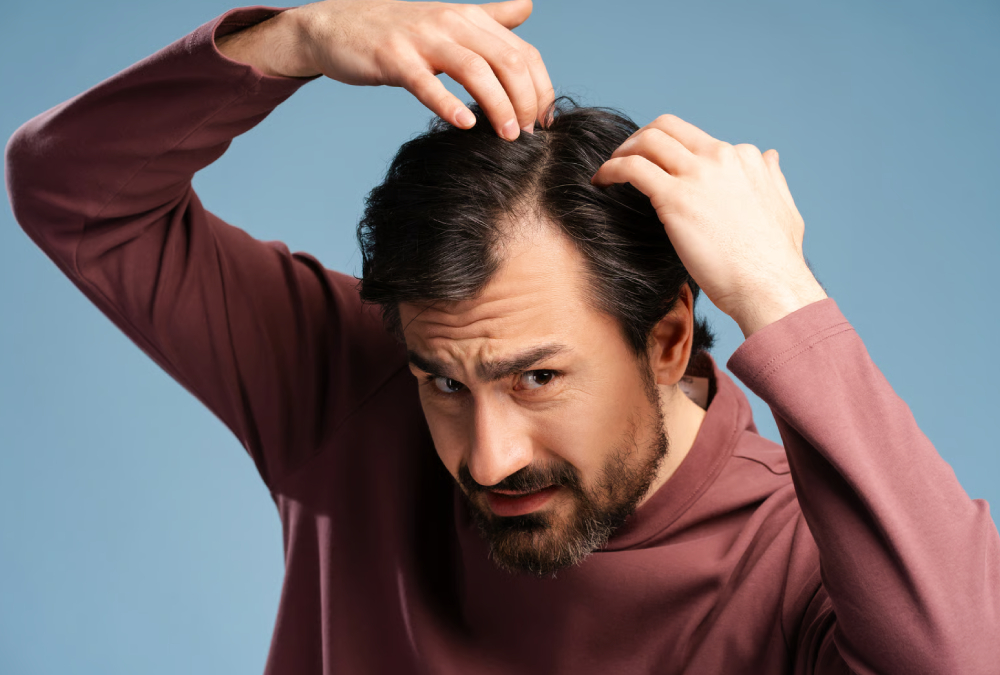
5. Treatment for Hair Loss Due to Scalp Issues
When scalp health is poor, hair fall increases.
Doctor’s Approach:
- Identify root cause (infection, stress, deficiency)
- Treat underlying condition
- Recommend hair regrowth therapy
Treatments:
- Minoxidil solution
- PRP therapy
- Nutritional supplements
6. Treatment for Psoriasis and Eczema
These are chronic inflammatory scalp conditions.
Symptoms:
- Thick flakes
- Red patches
- Severe itching
- Dry, scaly skin
Treatments:
- Steroid creams
- Medicated shampoos
- Moisturizing scalp treatments
- Light therapy in severe cases
These conditions require long-term management.
7. Oil Imbalance Treatment
Some people have overly oily or very dry scalp.
Oily Scalp:
- Causes buildup and dandruff
- Leads to clogged follicles
Dry Scalp:
- Causes itching and flaking
- Weakens hair roots
Treatments:
- Specialized shampoos
- Scalp balancing products
- Hydrating treatments
8. Scalp Exfoliation and Deep Cleaning
Doctors may recommend professional scalp cleaning.
How It Works:
- Removes dead skin cells
- Clears oil buildup
- Unclogs hair follicles
Benefits:
- Healthier scalp environment
- Better hair growth
- Reduced dandruff
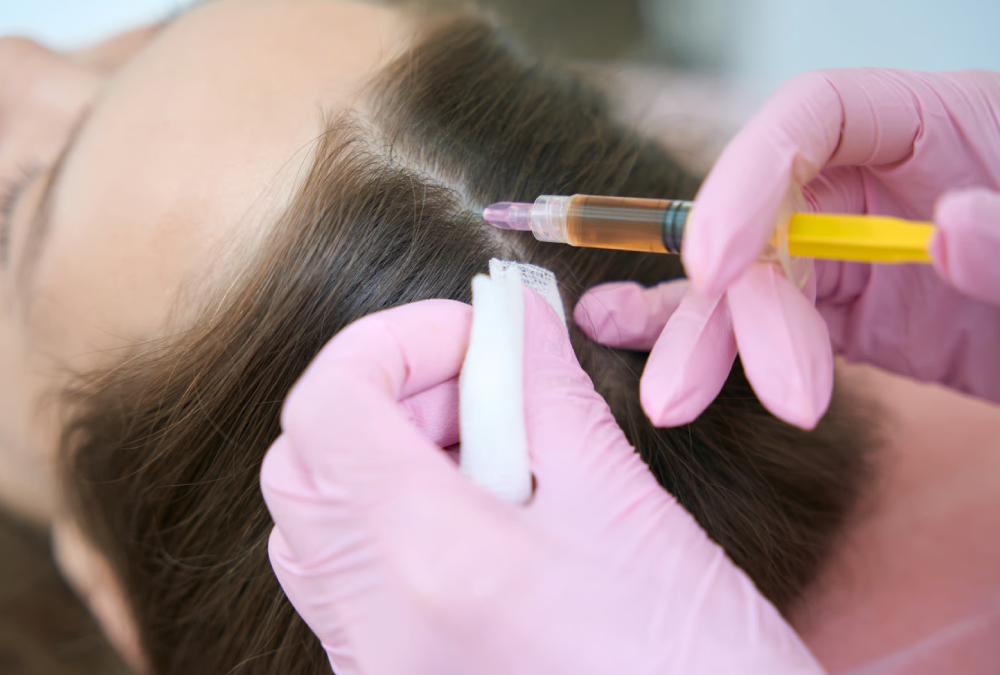
9. PRP and Advanced Therapies
For hair loss related to scalp issues, advanced treatments are used.
PRP Therapy:
- Uses patient’s own blood plasma
- Stimulates hair follicles
- Improves scalp healing
Other Options:
- Laser therapy
- Microneedling
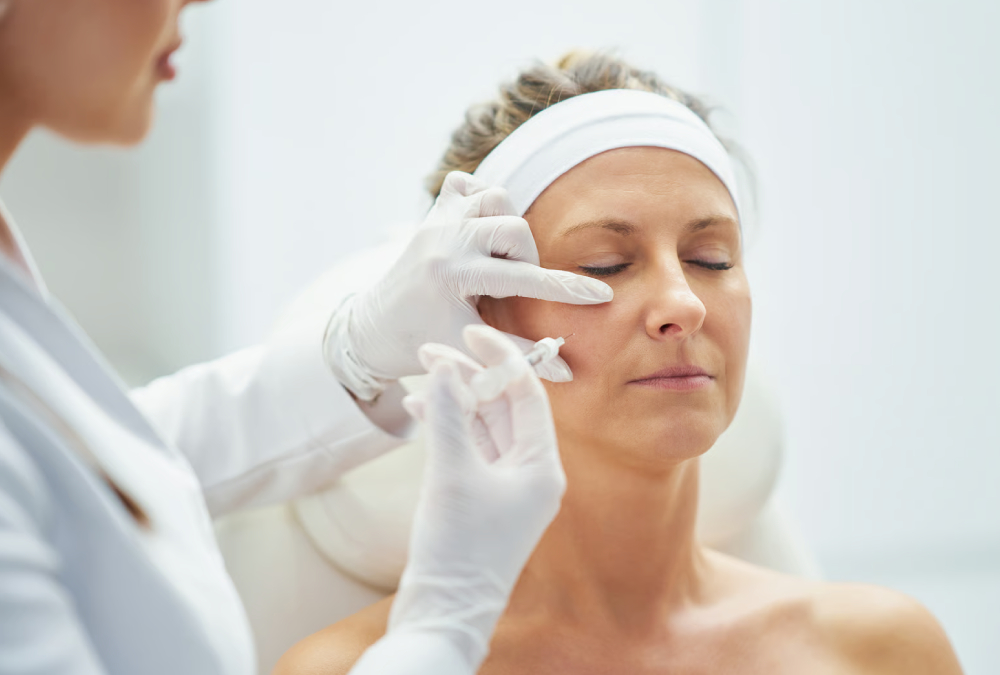
- Mesotherapy
These improve blood circulation and follicle strength.
10. Medicated Shampoos and Lotions
Doctors often prescribe specific products.
Ingredients Used:
- Ketoconazole
- Salicylic acid
- Coal tar
- Zinc compounds
Benefits:
- Controls dandruff
- Reduces itching
- Treats fungal growth
11. Lifestyle and Hygiene Advice
Doctors also guide patients on daily habits.
Recommendations:
- Wash hair regularly
- Avoid harsh chemicals
- Reduce stress
- Eat balanced diet
- Avoid excessive heat styling
Healthy habits support long-term scalp health.
12. Follow-Up Care
Scalp conditions often require monitoring.
Why Follow-Up Matters:
- Tracks improvement
- Adjusts treatment
- Prevents recurrence
Regular visits ensure better results.
Conclusion
Doctors treat scalp problems using a combination of diagnosis, medication, therapies, and lifestyle guidance. Since scalp health directly affects hair growth, proper treatment is essential for long-term results.
From simple issues like dandruff to complex conditions like infections or hair loss, dermatologists use targeted treatments to restore scalp balance and promote healthy hair growth.
With timely care and proper guidance, most scalp problems can be effectively controlled or completely treated, leading to healthier hair and improved confidence.