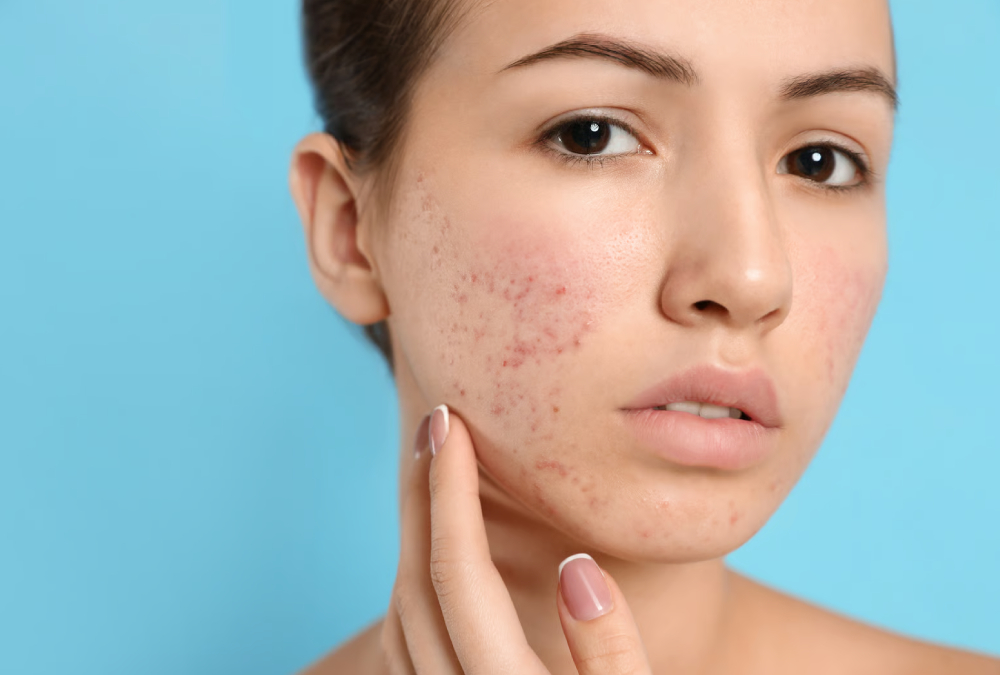
Acne scars are a common skin concern that can affect both teenagers and adults. Even after acne clears, it often leaves behind marks, pits, or discoloration on the skin. These scars can impact confidence and make the skin look uneven or aged.
The good news is that modern dermatology offers many effective treatments to reduce or even remove acne scars. The right treatment depends on the type of scar, skin type, and severity of damage.
Understanding the best treatments for acne scars can help you choose the right option for smoother, healthier skin.
What Are Acne Scars?
Acne scars are permanent changes in skin texture or color that remain after severe acne heals.
Types of Acne Scars:
- Atrophic scars (depressed scars)
- Hypertrophic scars (raised scars)
- Pigmentation marks (dark spots)
- Ice pick scars (deep narrow pits)
Each type requires different treatment approaches.
1. Chemical Peels
Chemical peels are one of the most common treatments for acne scars.
How It Works:
A special chemical solution is applied to the skin to remove the top damaged layer, allowing new skin to grow.
Benefits:
- Improves skin texture
- Reduces dark spots
- Smooths mild scars
- Brightens skin tone
Types:
- Light peel
- Medium peel
- Deep peel
2. Laser Treatment
Laser therapy is highly effective for deeper acne scars.
How It Works:
Laser beams target damaged skin layers and stimulate collagen production.
Benefits:
- Reduces deep scars
- Improves skin texture
- Tightens skin
- Promotes new skin growth
Types:
- Fractional laser
- CO2 laser
- Erbium laser
Laser treatment is one of the most advanced scar removal methods.
3. Microneedling
Microneedling is a minimally invasive treatment.
How It Works:
Tiny needles create micro-injuries in the skin, triggering natural healing and collagen production.
Benefits:
- Reduces acne scars
- Improves skin texture
- Minimizes pores
- Enhances skin firmness
It is suitable for mild to moderate scars.
4. Dermal Fillers
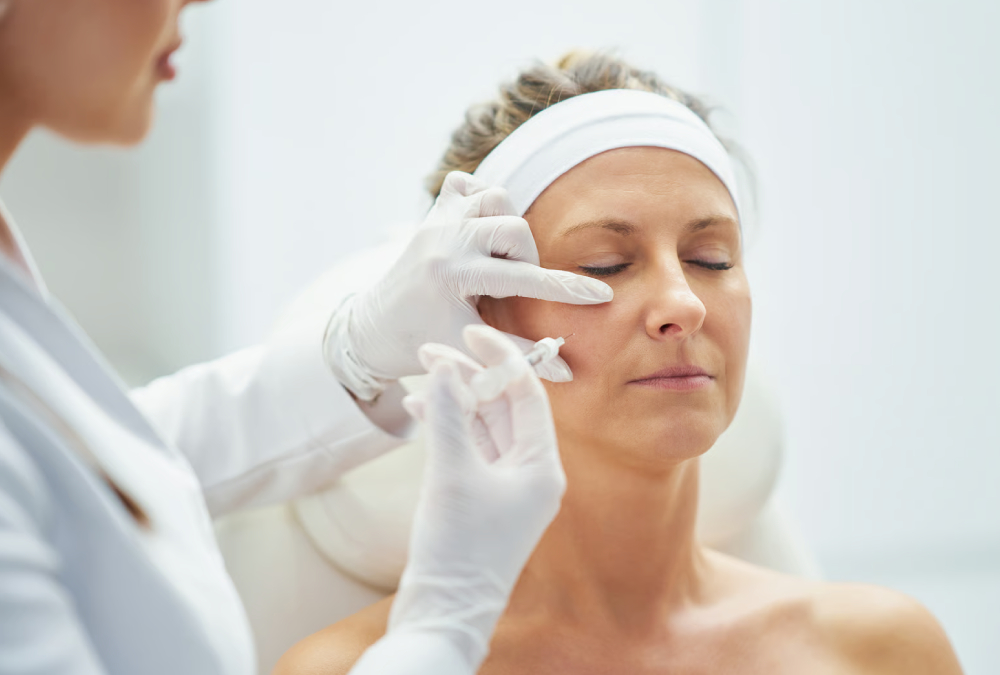
Dermal fillers are used for deep, depressed scars.
How It Works:
A gel-like substance is injected under the scar to raise it to the level of surrounding skin.
Benefits:
- Instant results
- Smooth skin appearance
- Non-surgical treatment
However, results are temporary and may need maintenance.
5. Subcision
Subcision is a minor surgical procedure for deep scars.
How It Works:
A needle is used to break fibrous tissue under the scar, allowing skin to lift naturally.
Benefits:
- Effective for deep rolling scars
- Long-lasting improvement
- Encourages collagen growth
6. Topical Treatments
Creams and gels can help with mild acne scars.
Common Ingredients:
- Retinoids
- Vitamin C
- Niacinamide
- Alpha hydroxy acids (AHAs)
Benefits:
- Lightens pigmentation
- Improves skin tone
- Supports skin renewal
These are best for early or mild scars.
7. Dermabrasion
Dermabrasion is a skin resurfacing technique.
How It Works:
The outer layer of skin is physically removed using a special device.
Benefits:
- Improves rough skin
- Reduces shallow scars
- Enhances skin smoothness
Recovery time is usually longer compared to other treatments.
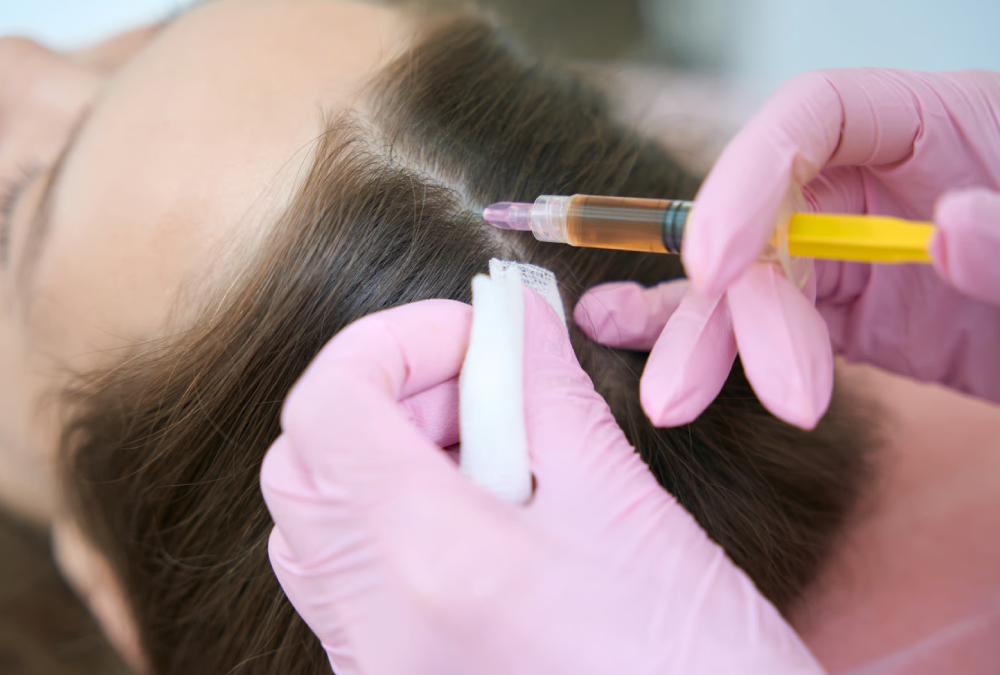
8. PRP Therapy (Platelet-Rich Plasma)
PRP uses the body’s own healing power.
How It Works:
Blood is taken, processed, and injected back into the skin to promote healing.
Benefits:
- Improves skin texture
- Reduces scars naturally
- Boosts collagen production
It is often combined with microneedling for better results.
9. Sun Protection
Sun protection is not a treatment but is essential for scar healing.
Why It Matters:
- Prevents darkening of scars
- Protects healing skin
- Improves treatment results
Tips:
- Use SPF 30 or higher
- Apply sunscreen daily
10. Healthy Skincare Routine
A proper skincare routine supports healing.
Steps:
- Gentle cleansing
- Moisturizing
- Sunscreen application
Avoid harsh scrubbing or over-exfoliation.
Conclusion
Acne scars can be treated effectively with modern dermatological solutions. From chemical peels and laser treatments to microneedling and PRP therapy, there are multiple options depending on the severity and type of scars.
While professional treatments offer the best results, consistent skincare and sun protection are also essential for maintaining smooth and healthy skin.
With the right treatment plan, acne scars can be significantly reduced, helping restore confidence and improve overall skin appearance.