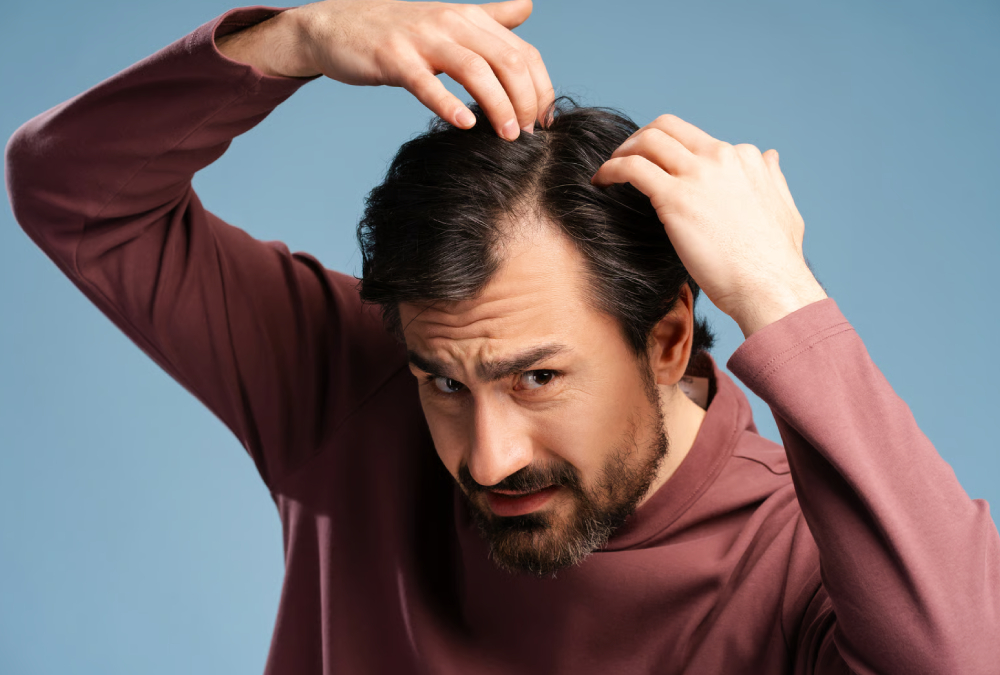
Hair regrowth is possible in many cases, especially when hair loss is caused by stress, nutritional deficiencies, hormonal imbalance, or early-stage genetic thinning. Modern dermatology offers a wide range of treatments that can stimulate hair follicles, improve scalp health, and promote stronger, thicker hair growth.
The key to successful hair regrowth is early treatment and choosing the right method based on the cause of hair loss. Some treatments are medical, some are procedural, and others involve lifestyle and natural approaches.
1. Medications for Hair Regrowth
One of the first lines of treatment includes FDA-approved medications.
Common Medicines:
- Minoxidil (topical solution/foam)
- Finasteride (oral medication for men)
How They Work:
- Improve blood flow to hair follicles
- Extend hair growth phase
- Slow down hair thinning
Benefits:
- Easy to use
- Clinically proven results
- Suitable for early hair loss
Important Note:
Results take 3–6 months of consistent use.
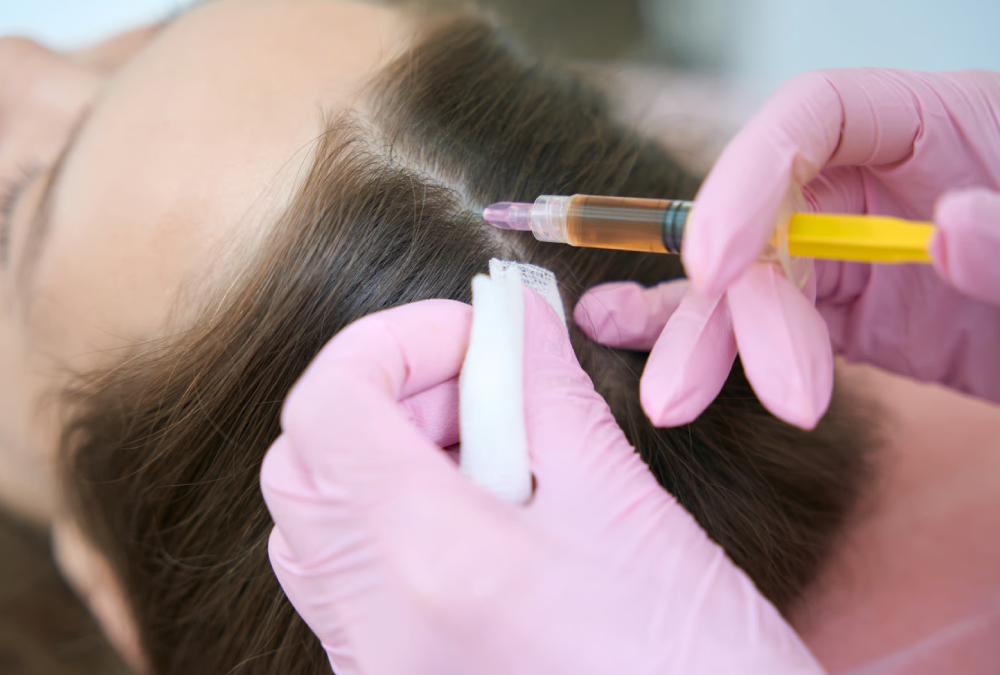
2. PRP Therapy (Platelet-Rich Plasma)
PRP is one of the most popular modern hair regrowth treatments.
How It Works:
- Blood is taken from the patient
- Platelets are separated and concentrated
- Injected into the scalp
Benefits:
- Stimulates dormant hair follicles
- Improves hair thickness
- Strengthens roots
- Natural treatment using body’s own plasma
PRP is effective for early to moderate hair loss.
3. Hair Transplant Surgery
Hair transplant is a permanent solution for severe hair loss.
Types:
- FUE (Follicular Unit Extraction)
- FUT (Follicular Unit Transplantation)
How It Works:
Healthy hair follicles are taken from one part of the scalp and transplanted to bald areas.
Benefits:
- Permanent results
- Natural-looking hair
- High success rate
Recovery:
Healing takes a few weeks, but full results appear in months.
4. Low-Level Laser Therapy (LLLT)
Laser therapy is a non-invasive treatment for hair growth.
How It Works:
Low-level lasers stimulate hair follicles and increase blood flow.
Benefits:
- Improves hair density
- Strengthens weak follicles
- Reduces hair shedding
- Painless treatment
It is often used in clinics or home devices.
5. Nutritional Therapy
Nutrition plays a vital role in hair regrowth.
Essential Nutrients:
- Protein
- Iron
- Zinc
- Vitamin D
- Biotin
Food Sources:
- Eggs
- Nuts and seeds
- Leafy greens
- Fish
- Fruits
A healthy diet supports natural hair regrowth from within.
6. Scalp Treatments
Healthy scalp = healthy hair growth.
Treatments Include:
- Medicated shampoos
- Anti-dandruff treatments
- Scalp exfoliation
- Deep cleansing therapy
Benefits:
- Removes buildup and dandruff
- Improves follicle health
- Reduces inflammation
7. Mesotherapy
Mesotherapy involves injecting nutrients directly into the scalp.
What It Contains:
- Vitamins
- Amino acids
- Growth factors
Benefits:
- Nourishes hair roots
- Improves circulation
- Encourages new growth
It is often used for early hair thinning.
8. Natural Remedies
Natural methods can support medical treatments.
Examples:
- Aloe vera gel
- Onion juice
- Coconut oil massage
- Rosemary oil
Benefits:
- Improves scalp health
- Strengthens hair roots
- Reduces breakage
Results are slow but helpful.
9. Stress Management
Stress is a major cause of hair loss.
Techniques:
- Meditation
- Exercise
- Proper sleep
- Relaxation techniques
Reducing stress helps restore normal hair growth cycle.
10. Avoid Harmful Hair Practices
Good hair care is essential for regrowth.
Avoid:
- Excessive heat styling
- Tight hairstyles
- Harsh chemical treatments
- Frequent coloring
Why It Matters:
Protects hair follicles from damage.
11. Scalp Microneedling
Microneedling is a newer hair restoration method.
How It Works:
Tiny needles create micro-injuries in the scalp, triggering healing.
Benefits:
- Boosts collagen production
- Improves absorption of treatments
- Stimulates follicles
Often combined with PRP for better results.
12. Conclusion
Hair regrowth is possible with the right combination of treatments, lifestyle changes, and medical support. From medications like minoxidil to advanced procedures like PRP therapy and hair transplants, there are many effective solutions available today.
Early treatment is key to better results. Supporting hair health with proper nutrition, scalp care, and stress management further enhances regrowth.
With consistent care and the right approach, it is possible to restore thicker, healthier, and stronger hair over time.