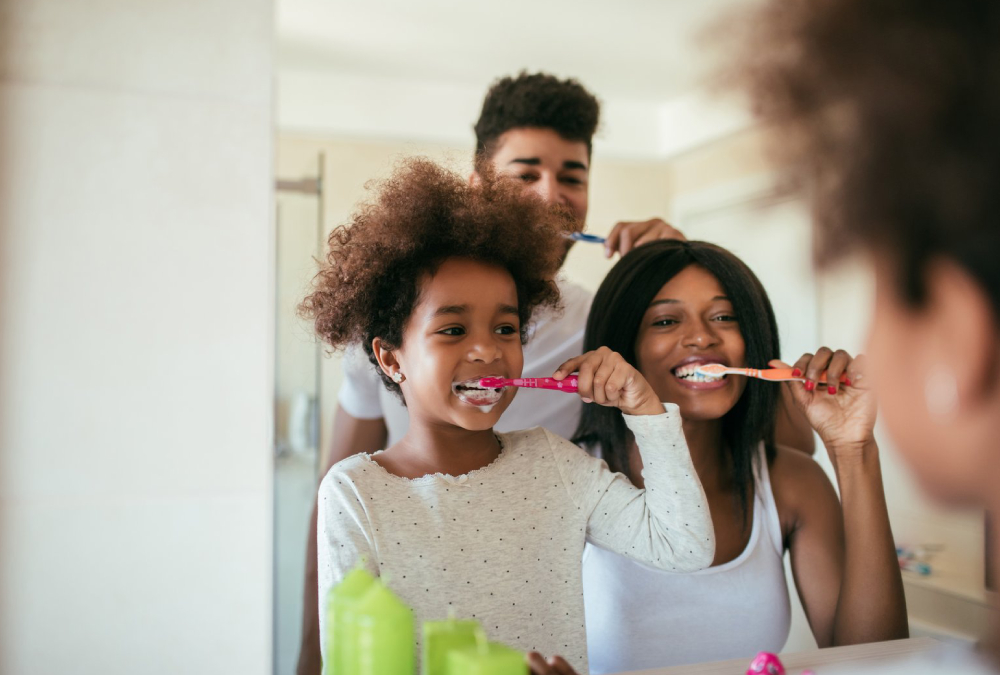
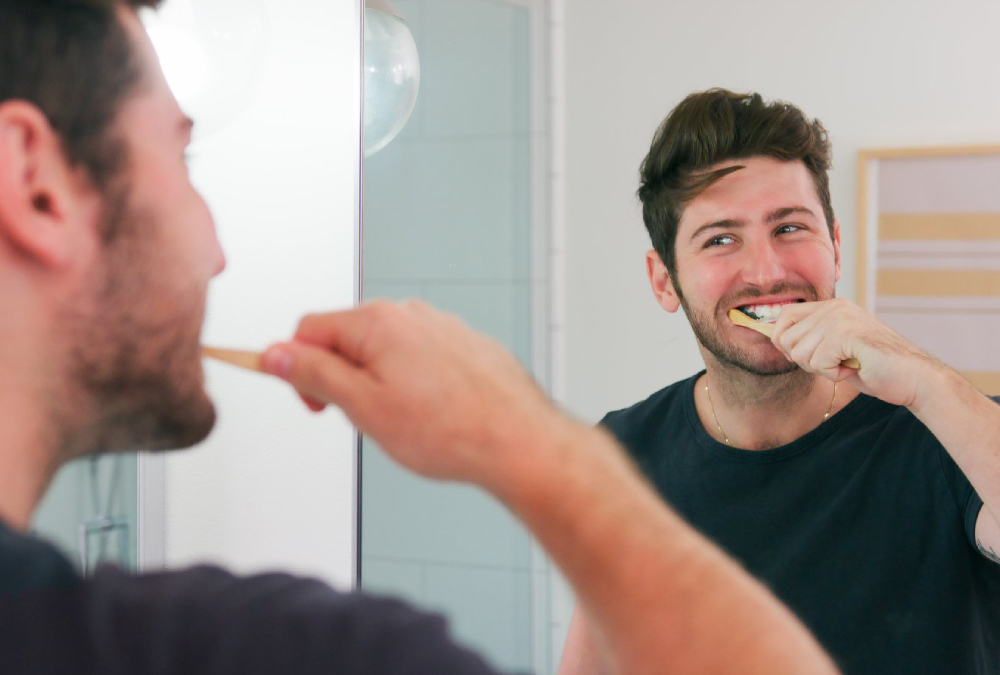
Brushing your teeth is the most basic and important part of oral hygiene, but surprisingly, many people do it incorrectly. Improper brushing can lead to cavities, gum disease, bad breath, and even long-term tooth damage. On the other hand, brushing the right way protects your teeth, strengthens your gums, and keeps your mouth healthy.
Good brushing is not just about doing it twice a day—it’s about technique, timing, tools, and consistency. Understanding the correct way to brush your teeth can significantly improve your dental health over time.
Why Proper Brushing Matters
Brushing correctly helps remove:
- Plaque (sticky bacteria layer)
- Food particles
- Acid buildup
- Germs causing bad breath
If You Brush Incorrectly:
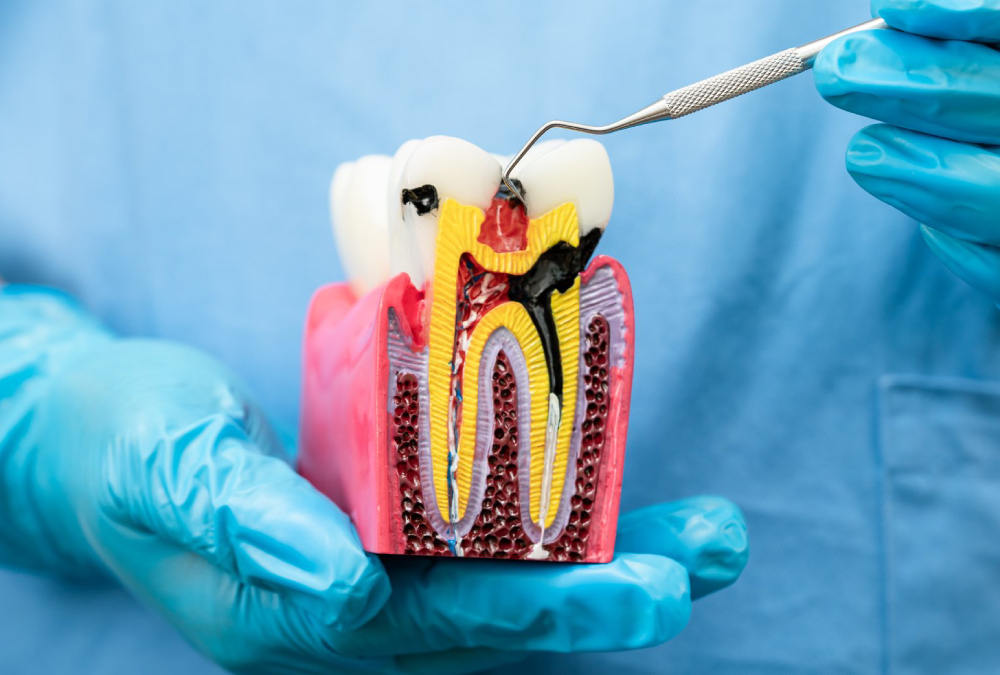
- Cavities can develop
- Gums may bleed or recede
- Teeth may become sensitive
- Enamel can wear down
Proper brushing protects both teeth and gums for long-term oral health.
1. Choose the Right Toothbrush
The first step in proper brushing is selecting the right toothbrush.
Best Choice:
- Soft-bristled toothbrush
- Comfortable grip handle
- Small head for better reach
Why Soft Bristles?
Hard bristles can damage enamel and irritate gums, while soft bristles clean effectively without harming teeth.
Replacement Rule:
- Replace every 3 months
- Replace after illness
2. Use the Right Toothpaste
Toothpaste is essential for cleaning and protection.
What to Look For:
- Fluoride toothpaste
- Anti-cavity formula
- Gentle whitening (optional)
Why Fluoride Matters:
Fluoride strengthens tooth enamel and helps prevent cavities.
3. Correct Brushing Technique
Technique is the most important part of brushing.
Step-by-Step Method:
- Place toothbrush at a 45-degree angle to gums
- Gently move in small circular motions
- Brush outer surfaces of all teeth
- Clean inner surfaces
- Brush chewing surfaces
- Don’t forget back teeth
Important Tip:
Avoid harsh scrubbing. Gentle circular motion is more effective and safer.
4. Brush for the Right Amount of Time
Many people brush for only 30–60 seconds, which is not enough.
Recommended Time:
- At least 2 minutes
Why It Matters:
Short brushing does not remove all plaque and bacteria.
You can divide time:
- 30 seconds upper right
- 30 seconds upper left
- 30 seconds lower right
- 30 seconds lower left
5. Brush Twice a Day
Brushing frequency is very important.
Best Times:
- Morning after breakfast
- Night before sleeping
Why Night Brushing Is Crucial:
Bacteria multiply during sleep, so cleaning before bed prevents overnight damage.
6. Don’t Brush Immediately After Eating
Many people make this mistake.
Why It’s Harmful:
Acidic foods soften enamel temporarily.
What to Do Instead:
- Wait at least 30 minutes after eating
This protects enamel from damage.
7. Clean All Areas of the Mouth
Proper brushing includes more than just teeth.
Don’t Forget:
- Gums
- Back molars
- Inner surfaces of teeth
- Tongue
Cleaning all areas ensures complete oral hygiene.
8. Brush Your Tongue
Tongue cleaning is essential but often ignored.
Benefits:
- Removes bacteria
- Prevents bad breath
- Improves taste
You can gently brush your tongue or use a tongue scraper.
9. Use Gentle Pressure
Many people brush too hard, thinking it cleans better.
Why It’s Wrong:
- Damages enamel
- Causes gum recession
- Leads to tooth sensitivity
Correct Approach:
- Light pressure
- Let bristles do the work
10. Don’t Rush Brushing
Quick brushing is ineffective.
Common Mistake:
- Brushing for less than a minute
Solution:
- Take your time
- Follow a structured routine
Good brushing is about quality, not speed.
11. Rinse Properly After Brushing
Rinsing helps remove leftover toothpaste and debris.
Tips:
- Use clean water
- Don’t over-rinse if using fluoride toothpaste (it helps stay longer on teeth)
12. Use Mouthwash (Optional but Helpful)
Mouthwash is not a replacement for brushing but adds extra protection.
Benefits:
- Kills bacteria
- Freshens breath
- Reduces plaque
Use it after brushing for best results.
13. Avoid Common Brushing Mistakes
Many people unknowingly damage their teeth.
Mistakes to Avoid:
- Brushing too hard
- Using hard-bristle brushes
- Skipping night brushing
- Not replacing toothbrush
- Brushing immediately after meals
Avoiding these improves dental health significantly.
14. Teach Children Proper Brushing Early
Good habits start in childhood.
Tips for Kids:
- Use small toothbrush
- Supervise brushing
- Make it fun and consistent
- Teach 2-minute rule
Early habits prevent future dental problems.
15. Visit the Dentist Regularly
Even with perfect brushing, professional care is needed.
Recommended Visits:
- Every 6 months
Benefits:
- Professional cleaning
- Early cavity detection
- Gum health check
Dentists help maintain long-term oral health.
Conclusion
Brushing your teeth correctly is one of the simplest yet most powerful ways to protect your oral health. It is not just about brushing twice a day—it is about using the right technique, proper tools, and consistent habits.
By brushing gently, for at least 2 minutes, using fluoride toothpaste, and cleaning all areas of the mouth, you can prevent cavities, gum disease, and bad breath effectively.
Good brushing habits, combined with regular dental checkups and a healthy diet, ensure strong teeth and healthy gums for life. Small daily improvements in your brushing routine can make a big difference in your long-term dental health.