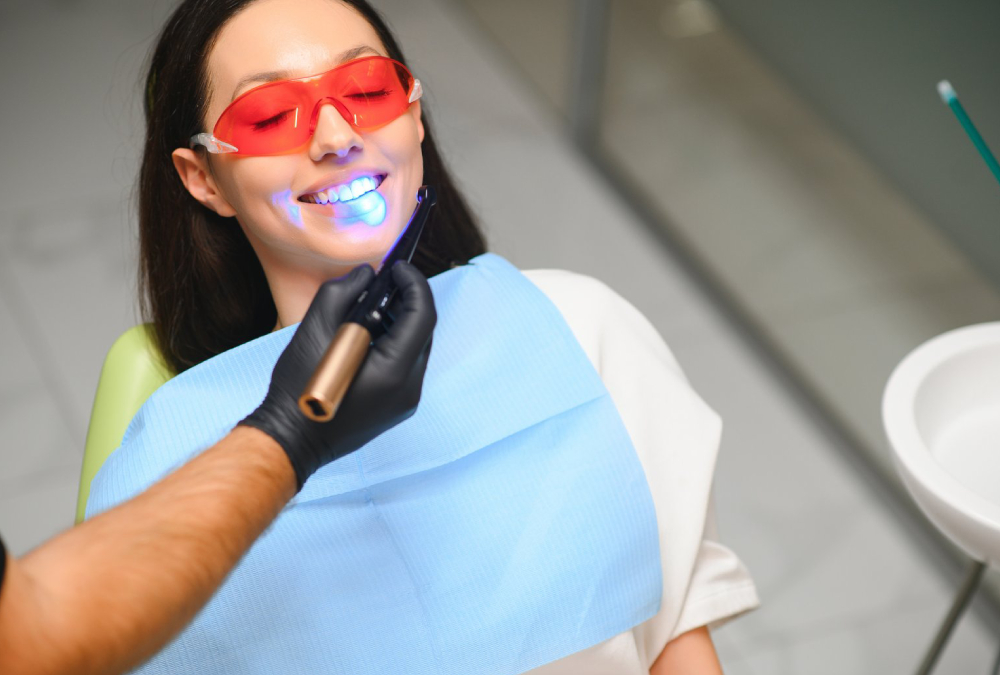

A beautiful smile plays an important role in confidence and personality. Many people who are unhappy with crooked, stained, or uneven teeth often consider cosmetic dental treatments. Two of the most common options are veneers and braces. Both improve the appearance of teeth, but they work in completely different ways.
Understanding the difference between veneers and braces helps you choose the right treatment based on your dental needs, budget, and long-term goals.
What Are Veneers?
Veneers are thin, custom-made shells placed on the front surface of teeth to improve appearance.
Material Used:
- Porcelain
- Composite resin
Purpose:
- Improve tooth color
- Fix minor alignment issues
- Enhance shape and size of teeth
- Close small gaps
Veneers are mainly a cosmetic solution, not a structural correction treatment.
What Are Braces?
Braces are orthodontic devices used to straighten teeth and correct bite issues.
Types of Braces:
- Metal braces
- Ceramic braces
- Clear aligners (like Invisalign-type systems)
Purpose:
- Straighten crooked teeth
- Fix bite problems (overbite, underbite)
- Align jaw properly
- Improve long-term dental function
Braces focus on correcting the actual position of teeth.
Key Difference Between Veneers and Braces
| Feature | Veneers | Braces |
|---|---|---|
| Purpose | Cosmetic improvement | Structural alignment |
| Treatment time | Fast (weeks) | Long (months to years) |
| Teeth movement | No movement | Moves teeth into position |
| Appearance | Instant smile makeover | Gradual improvement |
| Permanence | Semi-permanent | Permanent correction |
How Veneers Work
The veneer process is simple and quick.
Steps:
- Dentist examines teeth
- A thin layer of enamel is removed
- Custom veneers are created
- Veneers are bonded to teeth
Time Required:
- Usually 2–3 dental visits
Result:
- Instant improved smile
- Whiter, more uniform teeth
Advantages of Veneers
1. Quick Results
Veneers can transform your smile in a short time.
2. Natural Appearance
Modern veneers look very natural and glossy.
3. Stain Resistance
Porcelain veneers resist stains better than natural teeth.
4. Fixes Multiple Issues
- Discoloration
- Small gaps
- Minor misalignment
- Chipped teeth
Limitations of Veneers
1. Irreversible
A small amount of enamel is removed permanently.
2. Not for Major Misalignment
Severely crooked teeth cannot be fixed with veneers alone.
3. Maintenance Needed
Although durable, they may need replacement after several years.
How Braces Work
Braces gradually move teeth into correct position using continuous pressure.
Process:
- Dental examination and X-rays
- Brackets are attached to teeth
- Wires or aligners apply pressure
- Regular adjustments are made
Treatment Duration:
- 6 months to 2+ years depending on case
Advantages of Braces
1. Permanent Solution
Braces correct the actual position of teeth.
2. Improves Bite Function
Helps with chewing and jaw alignment.
3. Suitable for Complex Cases
- Severe crowding
- Major gaps
- Bite problems
4. Long-Term Oral Health
Straight teeth are easier to clean and maintain.
Limitations of Braces
1. Long Treatment Time
Results take months or years.
2. Discomfort
Initial pain or irritation may occur.
3. Visibility
Traditional braces are visible (though clear aligners are less noticeable).
Veneers vs Braces – Which One Is Better?
There is no single “better” option. It depends on your dental condition and goals.
Choose Veneers If:
- You want a quick smile makeover
- Teeth are mostly straight but discolored or slightly uneven
- You want cosmetic improvement only
Choose Braces If:
- You have crooked or misaligned teeth
- You need bite correction
- You want long-term structural improvement
Can Veneers Replace Braces?
In some minor cases, veneers can give the appearance of straight teeth. However:
- They do NOT move teeth
- They do NOT fix bite problems
- They only improve appearance
So, veneers are cosmetic, while braces are corrective.
Can Both Be Used Together?
Yes, in some cases dentists may use both treatments.
Example:
- Braces first to straighten teeth
- Veneers later for final cosmetic finishing
This combination gives both function and beauty.
Cost Comparison
Veneers:
- Higher cost per tooth
- Depends on material and clinic
Braces:
- Overall treatment cost spread over time
- Varies with complexity
Braces may seem expensive initially but serve a functional purpose.
Maintenance Differences
Veneers:
- Regular brushing and flossing
- Avoid hard foods
- Periodic dental checkups
Braces:
- Careful cleaning around brackets
- Avoid sticky foods
- Frequent orthodontist visits
Conclusion
Veneers and braces are both effective dental treatments, but they serve different purposes. Veneers focus on quick cosmetic improvements, while braces focus on long-term alignment and dental correction.
If you want a fast smile transformation, veneers are a great option. But if you need to fix crooked teeth or bite issues, braces are the better choice.
In some cases, combining both treatments can give the best results—functionally and aesthetically. Consulting a dentist is the best way to decide which treatment suits your dental condition and smile goals.