Dental implants are one of the most advanced and long-lasting solutions for replacing missing teeth. Unlike dentures or bridges, implants are designed to act like natural tooth roots, providing strong support for artificial teeth. They look, feel, and function almost like real teeth, making them a preferred choice in modern dentistry.
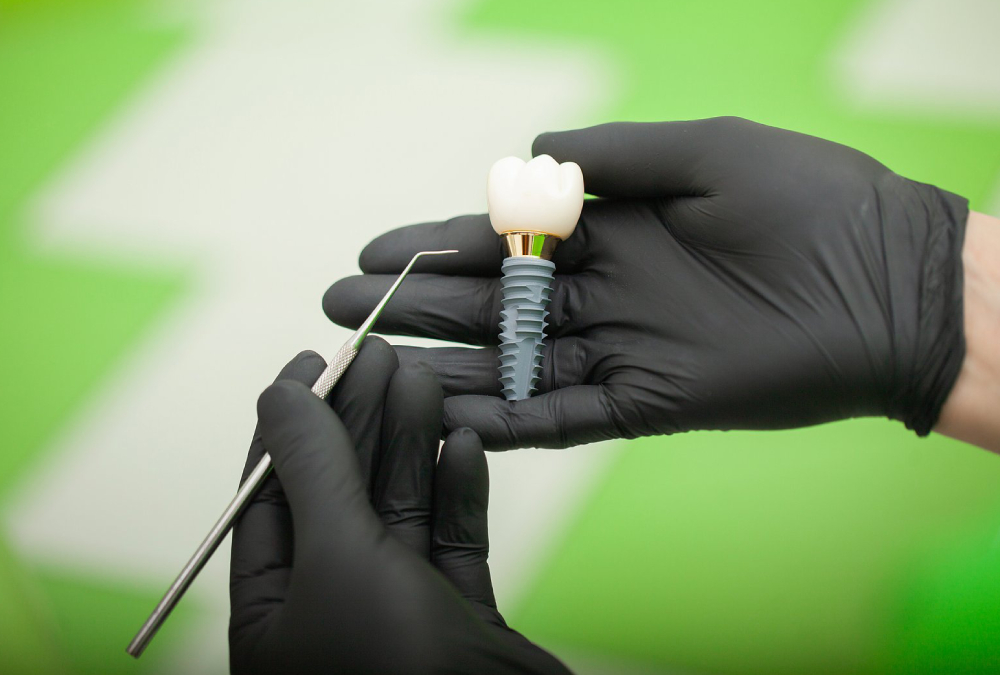
A dental implant is a small titanium post that is surgically placed into the jawbone. Over time, it fuses with the bone and creates a strong foundation for a crown (artificial tooth). This process helps restore both appearance and chewing ability.
Understanding how the dental implant procedure works can help you feel more confident if you are considering this treatment.
What Is a Dental Implant?
A dental implant is a replacement tooth root made from biocompatible material, usually titanium.
It Consists Of:
- Implant screw (metal post)
- Abutment (connector)
- Crown (artificial tooth)
Together, these parts replace both the root and visible tooth.
Why Dental Implants Are Needed
Dental implants are recommended when one or more teeth are missing.
Common Reasons for Tooth Loss:
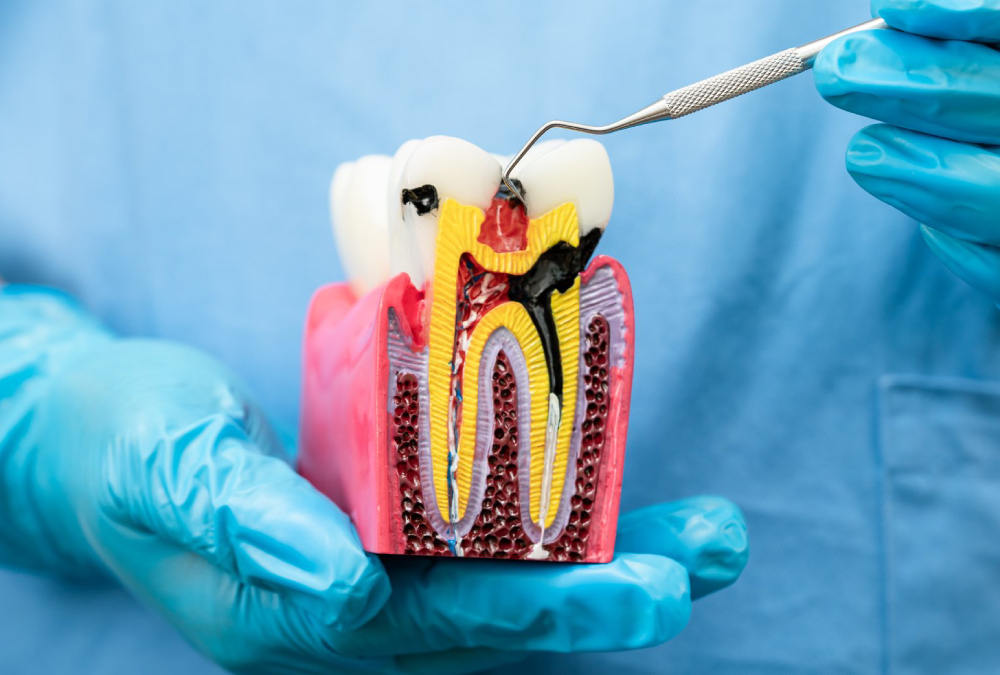
- Tooth decay
- Gum disease
- Injury or trauma
- Aging
- Failed dental treatments
Missing teeth can affect chewing, speech, and appearance.
Step 1: Consultation and Examination
The process begins with a dental assessment.
What the Dentist Does:
- Examines oral health
- Takes X-rays or 3D scans
- Checks jawbone strength
Purpose:
To determine if the patient is suitable for implants.
Step 2: Treatment Planning
Every implant case is planned individually.
Factors Considered:
- Number of missing teeth
- Bone density
- Gum health
- Overall medical condition
If bone is weak, a bone graft may be recommended.
Step 3: Bone Grafting (If Needed)
Some patients need additional bone support.
What Happens:
- Bone material is added to jaw
- Healing takes a few months
Purpose:
To create a strong foundation for the implant.
Step 4: Implant Placement Surgery
This is the main surgical step.
Procedure:
- Local anesthesia is given
- A small cut is made in the gum
- Titanium implant is placed into jawbone
- Gum is stitched back
Duration:
Usually 1–2 hours per implant.
Step 5: Healing and Osseointegration
This is a very important stage.
What Happens:
- Implant fuses with jawbone
- Bone grows around the implant
- Creates strong stability
Time Required:
- 3 to 6 months
This process is called osseointegration.
Step 6: Abutment Placement
Once healing is complete, the next step begins.
What Is Abutment?
A small connector placed on top of the implant.
Purpose:
- Holds the crown
- Connects implant to artificial tooth
Sometimes this is placed in a minor procedure.
Step 7: Crown Placement
The final step is placing the artificial tooth.
Process:
- Custom crown is made to match natural teeth
- It is fixed onto the abutment
Result:
A natural-looking and fully functional tooth.
Types of Dental Implants
1. Single Tooth Implant
- Replaces one missing tooth
- Most common type
2. Multiple Tooth Implants
- Replaces several missing teeth
- Uses bridges supported by implants
3. Full Mouth Implants
- Replaces all teeth
- Often used for dentures support
Benefits of Dental Implants
1. Natural Appearance
Implants look like real teeth.
2. Long-Lasting Solution
Can last 10–20 years or more with care.
3. Strong Chewing Ability
Works like natural teeth.
4. Prevents Bone Loss
Stimulates jawbone and prevents shrinkage.
5. No Damage to Nearby Teeth
Unlike bridges, implants do not affect surrounding teeth.
Is the Procedure Painful?
Dental implant surgery is usually not painful.
Why:
- Local anesthesia is used
- Sedation options are available
- Post-surgery discomfort is manageable
Most patients report mild soreness after the procedure.
Recovery After Dental Implants
What to Expect:
- Mild swelling
- Minor discomfort
- Healing over a few days to weeks
Care Tips:
- Eat soft foods initially
- Avoid smoking
- Maintain oral hygiene
- Follow dentist instructions
Risks and Considerations
Although implants are safe, some risks include:
- Infection
- Implant failure (rare)
- Gum irritation
Proper care and hygiene reduce these risks significantly.
Who Is a Good Candidate?
Dental implants are suitable for people who:
- Have missing teeth
- Have healthy gums
- Have enough jawbone
- Do not have uncontrolled medical conditions
Conclusion
Dental implant procedures offer a modern and highly effective solution for replacing missing teeth. They provide a permanent, natural-looking, and functional replacement that improves both appearance and oral health.
The process involves several stages, including consultation, implant placement, healing, and crown fitting. Although it takes time, the results are long-lasting and highly reliable.
Dental implants not only restore your smile but also improve chewing ability, speech, and confidence—making them one of the best options in modern dentistry.