Root canal treatment is one of the most common dental procedures used to save a severely damaged or infected tooth. Many people feel anxious when they hear the term “root canal,” but in reality, modern dentistry has made this procedure safe, comfortable, and highly effective.
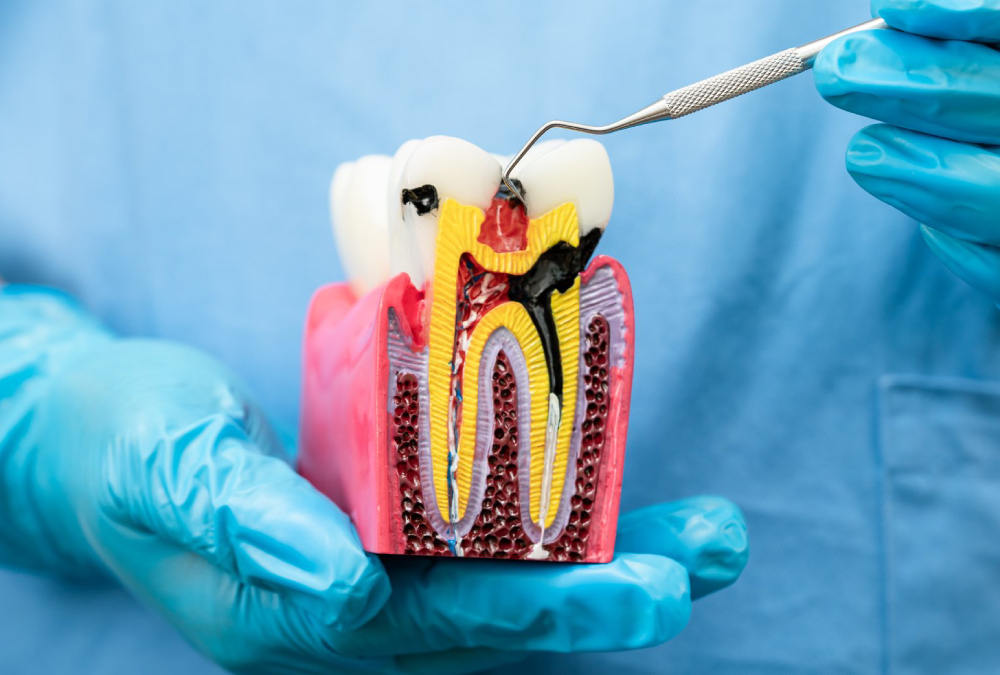
A root canal is performed when the inside of a tooth, called the pulp, becomes infected or inflamed due to deep decay, cracks, or injury. Instead of removing the tooth completely, the dentist cleans and seals it to preserve its natural structure.
Understanding what happens during root canal treatment can help reduce fear and prepare you for the procedure.
Why Root Canal Treatment Is Needed
Inside every tooth is soft tissue called pulp, which contains nerves and blood vessels. When this pulp becomes infected, it can cause severe pain and complications.
Common Causes:
- Deep tooth decay
- Cracked or broken tooth
- Repeated dental procedures
- Injury to the tooth
Symptoms:
- Severe toothache
- Sensitivity to hot or cold
- Swollen gums
- Darkened tooth color
- Pain while chewing
If untreated, infection can spread and lead to tooth loss.
Step 1: Dental Examination and X-Ray
The process begins with a thorough dental checkup.
What the Dentist Does:
- Examines the affected tooth
- Takes X-rays
- Checks the extent of infection
Purpose:
To determine whether the tooth can be saved with a root canal.
Step 2: Local Anesthesia
Before starting the procedure, the dentist numbs the area.
What Happens:
- Local anesthesia is injected near the tooth
- The area becomes completely numb
Result:
The patient feels little to no pain during the procedure.
Modern root canals are much more comfortable than people expect.
Step 3: Access Opening
Once the tooth is numb, the dentist creates a small opening.
Purpose:
To reach the infected pulp inside the tooth.
Process:
- A small hole is made on the top of the tooth
- Special tools are used for access
This step allows the dentist to clean the inner canals.
Step 4: Removing Infected Pulp
This is the most important part of the procedure.
What Happens:
- Infected or damaged pulp is carefully removed
- Root canals inside the tooth are cleaned
Why It Is Important:
Removing infected tissue stops pain and prevents the spread of infection.
Step 5: Cleaning and Shaping the Canals
After removing the pulp, the canals are cleaned and shaped.
Process:
- Special dental instruments are used
- Disinfecting solutions are applied
- Canals are shaped for filling
Purpose:
To remove bacteria and prepare the tooth for sealing.
Step 6: Filling the Canals
Once cleaned, the empty canals are filled.
Material Used:
- Gutta-percha (rubber-like material)
Why It Is Done:
- Prevents reinfection
- Seals the tooth structure
This step restores stability inside the tooth.
Step 7: Temporary Filling
A temporary filling is placed on the tooth.
Purpose:
- Protects the tooth until permanent restoration
- Prevents contamination
Sometimes, this is followed by a permanent crown.
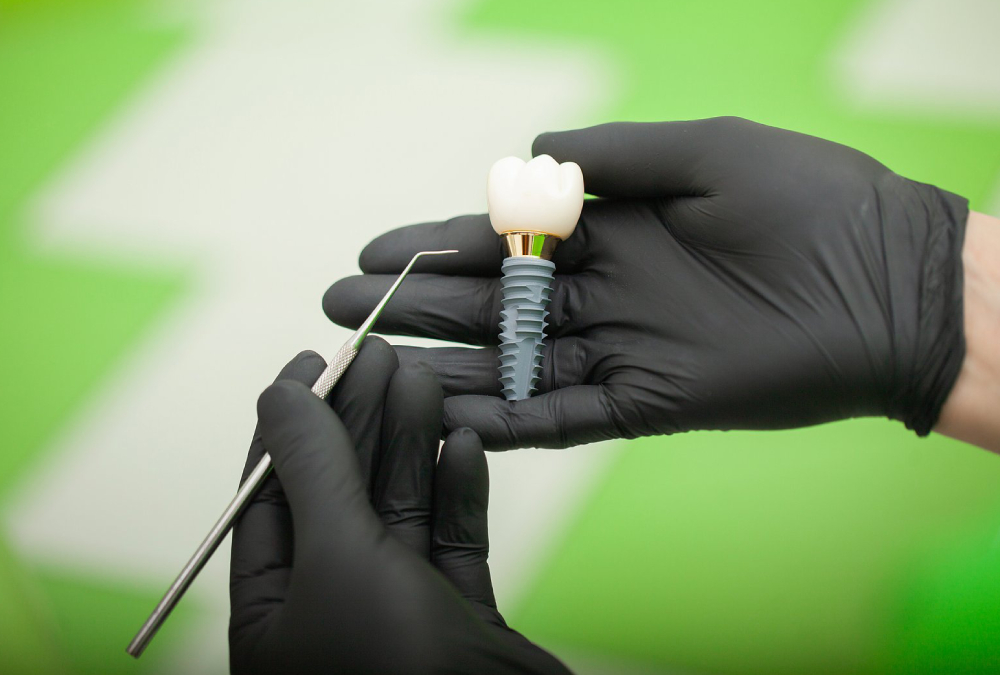
Step 8: Dental Crown Placement
In most cases, a crown is placed after root canal treatment.
Why It Is Needed:
- Strengthens the tooth
- Restores appearance
- Protects from fracture
Types of Crowns:
- Ceramic
- Porcelain
- Metal
- Porcelain-fused-to-metal
How Long Does Root Canal Take?
- Simple cases: 1–2 visits
- Complex cases: multiple visits
Each session usually lasts 60–90 minutes.
Is Root Canal Painful?
Modern root canal treatment is not painful.
Reasons:
- Local anesthesia is used
- Advanced tools reduce discomfort
- Infection is removed (which actually stops pain)
Most patients feel relief after treatment.
Recovery After Root Canal
What to Expect:
- Mild sensitivity for a few days
- Slight discomfort while chewing
Care Tips:
- Avoid hard foods initially
- Take prescribed medications
- Maintain oral hygiene
- Follow dentist instructions
Benefits of Root Canal Treatment
1. Saves Natural Tooth
Avoids tooth extraction.
2. Stops Pain
Removes infected nerve tissue.
3. Restores Function
Allows normal chewing and speaking.
4. Prevents Spread of Infection
Protects surrounding teeth and gums.
Conclusion
Root canal treatment is a highly effective dental procedure that saves damaged or infected teeth. It involves removing infected pulp, cleaning the canals, and sealing the tooth to prevent further infection.
Although many people fear it, modern techniques make the procedure safe, comfortable, and virtually pain-free. With proper care and a dental crown, a treated tooth can last for many years.
Root canal treatment not only relieves pain but also preserves your natural smile and oral health for the long term.