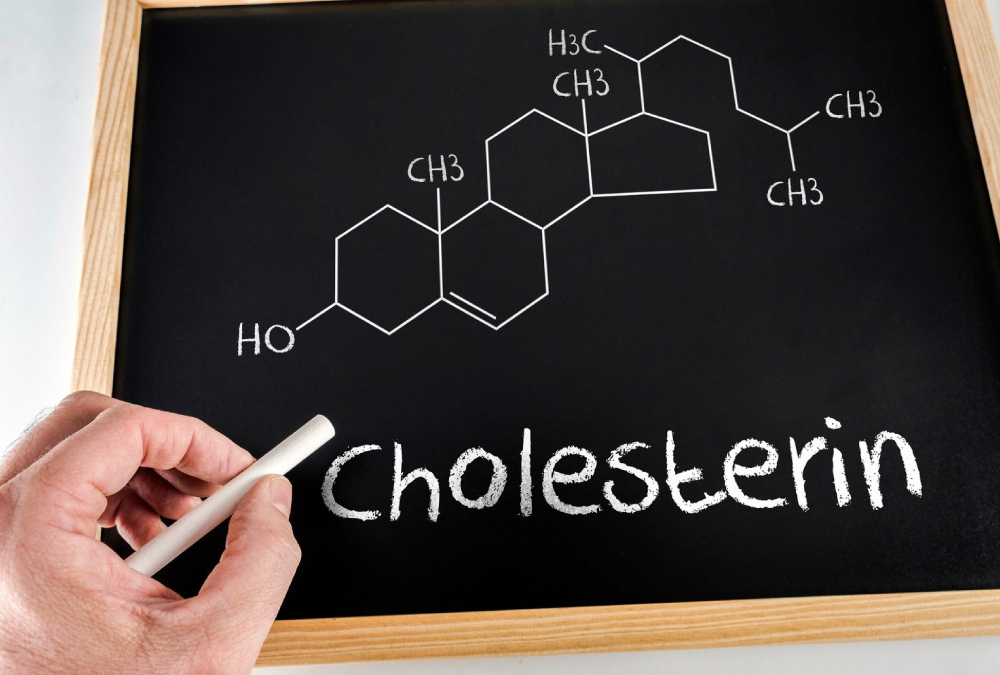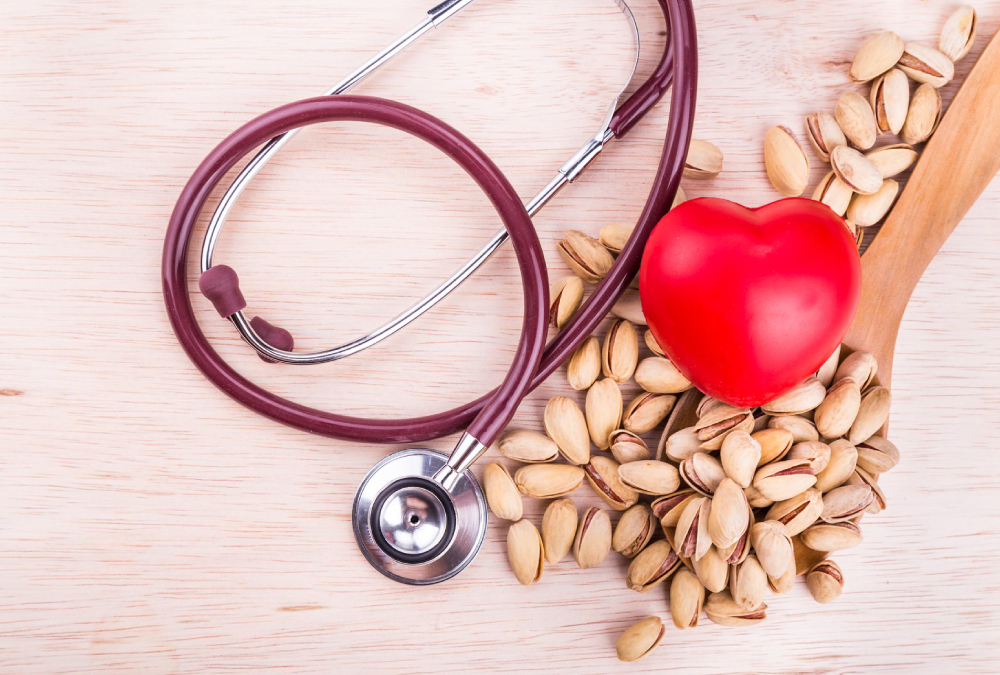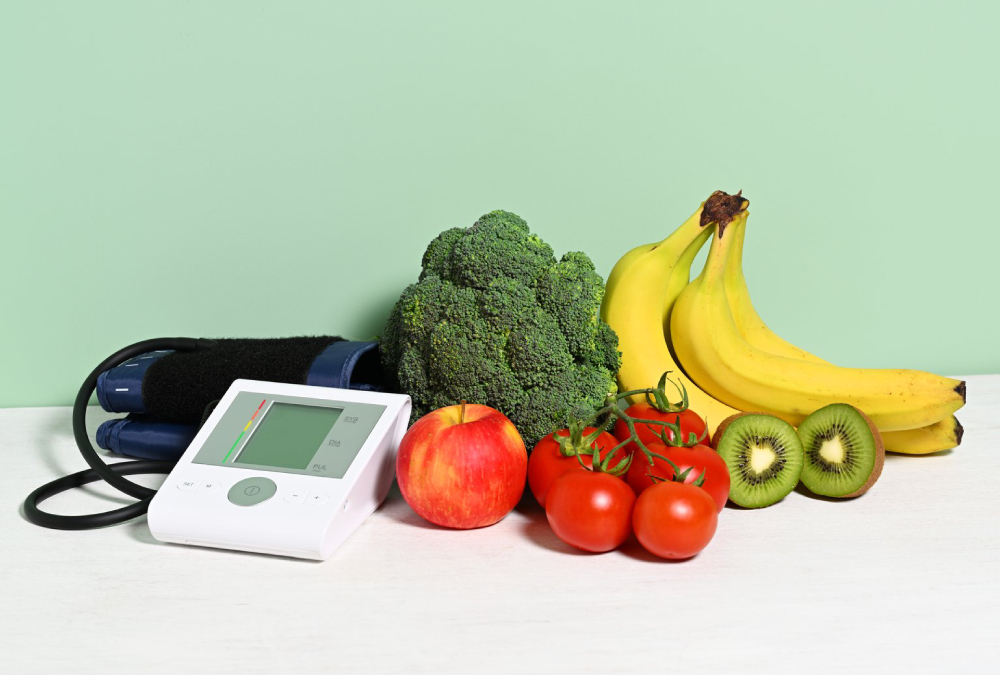
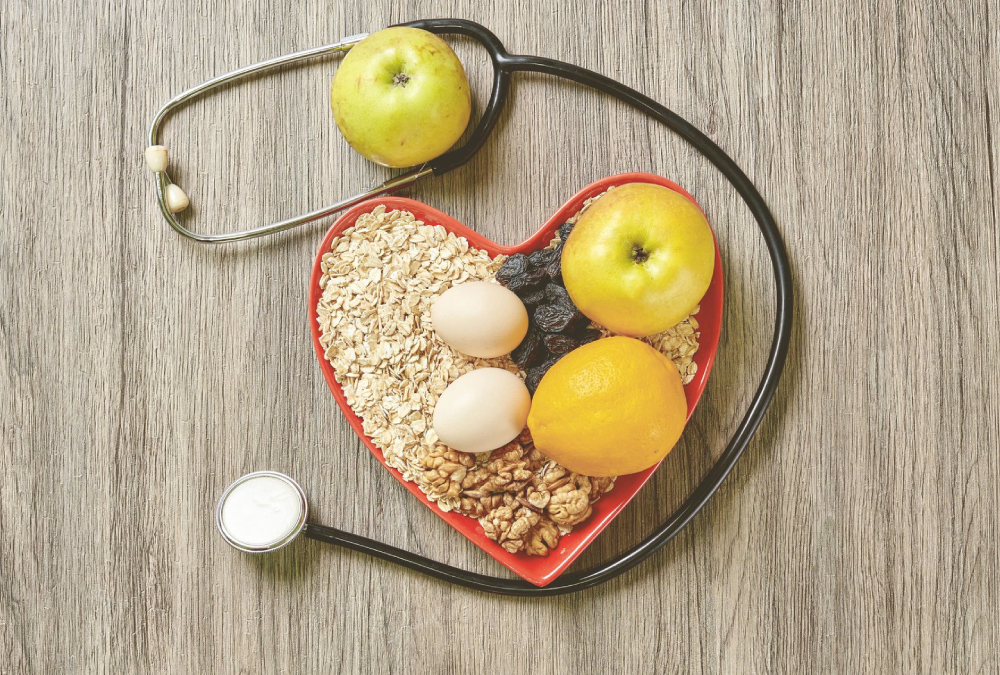
A healthy diet is one of the most powerful tools for controlling cholesterol levels and protecting heart health. What you eat directly affects the amount of “bad cholesterol” (LDL) and “good cholesterol” (HDL) in your blood. An improper diet can lead to clogged arteries, heart disease, and stroke, while a balanced diet can help keep your cholesterol in a healthy range naturally.
Cholesterol itself is not entirely bad. Your body needs it to build cells and produce hormones. The problem starts when LDL cholesterol becomes too high and begins to build up in the arteries. That’s why choosing the right foods is essential for long-term heart protection.
A cholesterol-friendly diet focuses on reducing unhealthy fats, increasing fiber, and adding heart-healthy nutrients.
1. Eat More Fruits and Vegetables
Fruits and vegetables are the foundation of a cholesterol-lowering diet.
Why They Are Important:
They are rich in fiber, antioxidants, vitamins, and minerals that help reduce cholesterol absorption and improve heart health.
Best Options:
- Apples
- Oranges
- Berries
- Spinach
- Broccoli
- Carrots
Benefits:
- Lowers LDL cholesterol
- Improves blood circulation
- Reduces inflammation in arteries
- Supports overall heart health
Aim to fill half your plate with fruits and vegetables at every meal.
2. Choose Whole Grains Over Refined Grains
Whole grains are much healthier than processed grains.
Examples of Whole Grains:
- Oats
- Brown rice
- Whole wheat bread
- Barley
- Quinoa
Why They Help:
Whole grains are high in soluble fiber, which binds to cholesterol and helps remove it from the body.
Benefits:
- Lowers bad cholesterol (LDL)
- Improves digestion
- Helps control blood sugar
- Supports weight management
Oatmeal is especially effective for cholesterol control.
3. Include Healthy Fats
Not all fats are harmful. Some fats are essential for heart health.
Healthy Fat Sources:
- Olive oil
- Avocados
- Nuts (almonds, walnuts)
- Seeds (chia, flaxseeds)
- Fatty fish (salmon, sardines)
Why They Are Good:
These fats increase HDL (good cholesterol) and reduce LDL (bad cholesterol).
Benefits:
- Protects arteries
- Reduces inflammation
- Improves heart function
Replace butter and margarine with olive oil for better results.
4. Eat More Fiber-Rich Foods
Fiber plays a key role in cholesterol control.
Types of Fiber:
- Soluble fiber (best for cholesterol reduction)
- Insoluble fiber (supports digestion)
Best Sources:
- Oats
- Beans
- Lentils
- Apples
- Pears
- Carrots
How It Works:
Soluble fiber binds cholesterol in the digestive system and removes it from the body before it enters the bloodstream.
5. Add Omega-3 Fatty Acids
Omega-3 fatty acids are essential for heart health.
Sources:
- Salmon
- Tuna
- Sardines
- Flaxseeds
- Chia seeds
- Walnuts
Benefits:
- Lowers triglycerides
- Reduces blood pressure
- Improves HDL cholesterol
- Prevents heart disease
Eating fish 2–3 times a week is highly beneficial.
6. Reduce Saturated and Trans Fats
Unhealthy fats are the main cause of high LDL cholesterol.
Foods to Avoid:
- Fried foods
- Fast food
- Processed snacks
- Bakery items
- Fatty meats
Why They Are Harmful:
They increase bad cholesterol and clog arteries over time.
Healthier Alternatives:
- Grilled or baked foods
- Lean meats
- Plant-based proteins
7. Increase Plant-Based Proteins
Plant proteins are healthier than animal-based proteins when it comes to cholesterol.
Best Sources:
- Lentils
- Chickpeas
- Beans
- Tofu
- Peas
Benefits:
- Lowers cholesterol
- Reduces saturated fat intake
- Supports heart health
Replacing some meat meals with plant-based foods is very effective.
8. Use Low-Fat Dairy Products
Dairy can be part of a healthy diet if chosen wisely.
Best Choices:
- Low-fat milk
- Low-fat yogurt
- Cottage cheese
Why It Helps:
It provides calcium and protein without excessive saturated fat.
9. Limit Sugar and Refined Carbs
Excess sugar can indirectly increase cholesterol levels.
Foods to Limit:
- Soft drinks
- Sweets and desserts
- White bread
- Pastries
Why It Matters:
High sugar intake increases triglycerides and contributes to weight gain, both of which raise heart disease risk.
10. Eat Nuts in Moderation
Nuts are small but powerful for heart health.
Best Options:
- Almonds
- Walnuts
- Pistachios
Benefits:
- Improves HDL cholesterol
- Reduces LDL cholesterol
- Provides healthy fats and fiber
A small handful per day is enough.
11. Drink Plenty of Water
Hydration supports overall body function, including cholesterol control.
Benefits:
- Helps digestion
- Supports metabolism
- Assists in fat breakdown
Avoid sugary drinks and replace them with water or herbal teas.
12. Green Tea for Heart Health
Green tea is rich in antioxidants called catechins.
Benefits:
- Lowers LDL cholesterol
- Improves fat metabolism
- Reduces inflammation
Drinking 1–2 cups daily can support cholesterol control.
13. Limit Salt Intake
Too much salt can indirectly affect heart health.
Effects:
- Increases blood pressure
- Strains heart function
Tips:
- Avoid processed foods
- Use herbs instead of salt
- Cook fresh meals at home
14. Maintain Portion Control
Even healthy foods can be harmful if eaten in excess.
Why It Matters:
Overeating leads to weight gain, which increases cholesterol levels.
Tips:
- Eat smaller portions
- Avoid overeating at night
- Listen to hunger signals
15. Avoid Alcohol and Smoking
Both alcohol and smoking negatively affect cholesterol levels.
Effects of Smoking:
- Lowers HDL (good cholesterol)
- Damages blood vessels
Effects of Alcohol:
- Increases triglycerides
- Adds empty calories
Avoiding these habits greatly improves heart health.
Conclusion
A cholesterol-friendly diet is one of the most effective ways to protect your heart and maintain overall health. By focusing on fruits, vegetables, whole grains, healthy fats, and fiber-rich foods, you can naturally lower bad cholesterol and increase good cholesterol.
At the same time, avoiding processed foods, trans fats, excess sugar, and unhealthy habits like smoking is equally important.
Small, consistent dietary changes can lead to long-term improvements in cholesterol levels and significantly reduce the risk of heart disease. A healthy diet is not just a short-term solution—it is a lifelong investment in your heart and well-being.