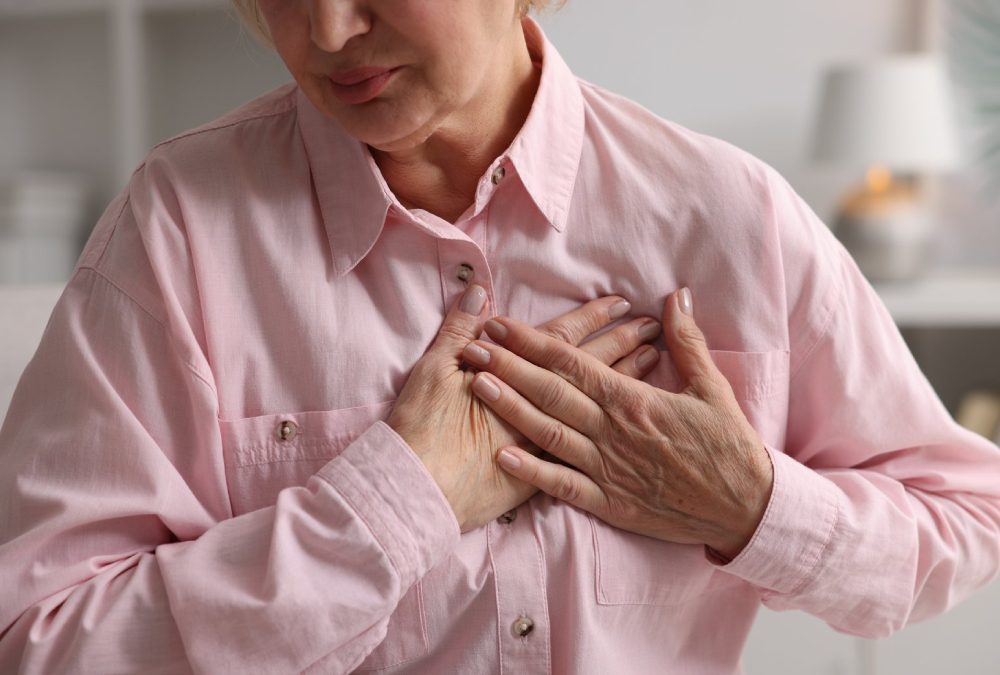
Heart disease is one of the leading causes of death worldwide, but the good news is that it often develops slowly, giving early warning signs before it becomes severe. Many people ignore these signs because they are mild or confusing, but recognizing them early can save lives.
Heart disease includes several conditions such as coronary artery disease, heart failure, and arrhythmias. These conditions affect how the heart functions and how well it supplies blood to the body.
Understanding early symptoms is important because early diagnosis allows timely treatment, lifestyle changes, and prevention of serious complications like heart attacks or strokes.
Why Early Detection Matters
The heart is a vital organ that works continuously without rest. When it starts to develop problems, the body often sends subtle signals.
Early detection can:
- Prevent heart attacks
- Reduce risk of stroke
- Improve treatment outcomes
- Avoid long-term damage
- Increase life expectancy
Many people only discover heart disease after a major event, which is why awareness of early signs is essential.
1. Chest Discomfort or Pain
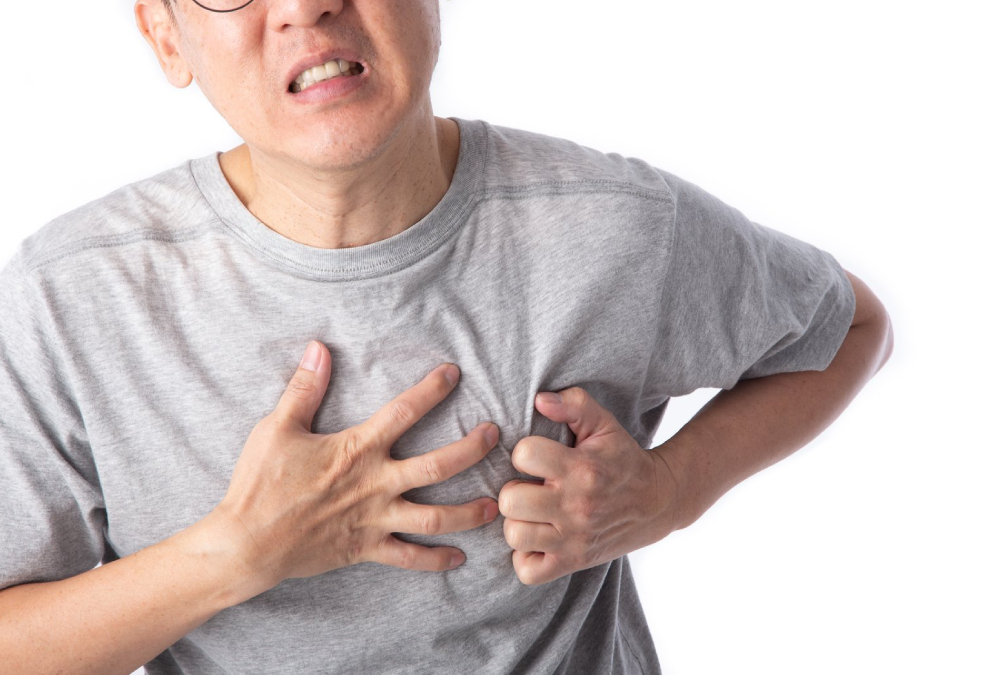
Chest discomfort is one of the most common warning signs of heart disease.
What It Feels Like:
- Pressure or tightness in the chest
- A squeezing or heaviness sensation
- Burning feeling in the chest
- Pain that comes and goes
Important Note:
Not all chest pain is severe, but even mild discomfort should not be ignored.
Why It Happens:
Chest pain often occurs when blood flow to the heart is reduced due to blocked or narrowed arteries.
2. Shortness of Breath
Difficulty breathing is another early sign of heart problems.
Symptoms Include:
- Feeling breathless during light activity
- Trouble breathing while lying down
- Sudden shortness of breath
Why It Matters:
When the heart cannot pump blood efficiently, oxygen supply to the body decreases, causing breathing difficulties.
This symptom should always be evaluated by a doctor.
3. Fatigue and Weakness
Unusual tiredness is often overlooked but can be an early indicator of heart disease.
Warning Signs:
- Constant fatigue even after rest
- Difficulty doing normal activities
- Lack of energy throughout the day
Why It Happens:
When the heart is weak, it cannot supply enough oxygen-rich blood to muscles and tissues, leading to exhaustion.
4. Irregular Heartbeat
A healthy heart beats in a steady rhythm. Any irregularity may signal a problem.
Symptoms:
- Rapid heartbeat
- Skipping beats
- Fluttering sensation in the chest
Possible Causes:
- Arrhythmia
- Stress
- Heart muscle issues
If irregular heartbeat is frequent, medical evaluation is necessary.
5. Pain in Other Parts of the Body
Heart-related pain is not always limited to the chest.
Areas Affected:
- Left arm
- Neck
- Jaw
- Back
- Shoulders
Why It Happens:
Pain spreads because nerves connected to the heart also connect to other areas of the upper body.
6. Swelling in Legs, Ankles, or Feet
Swelling can indicate that the heart is not pumping blood properly.
Symptoms:
- Puffiness in lower limbs
- Tight shoes or socks
- Visible fluid retention
Cause:
Poor circulation leads to fluid buildup in the body.
7. Dizziness or Lightheadedness
Feeling dizzy or faint can be an early sign of heart problems.
Possible Reasons:
- Low blood pressure
- Irregular heartbeat
- Reduced blood flow to the brain
If dizziness happens frequently, it should be checked.
8. Nausea or Indigestion-Like Symptoms
Some heart disease symptoms can resemble digestive issues.
Symptoms:
- Nausea
- Stomach discomfort
- Vomiting
Why It Happens:
Reduced blood flow during heart issues can affect digestion and cause stomach-related symptoms.
9. Cold Sweats
Sudden sweating without physical activity may indicate heart trouble.
Warning Signs:
- Cold, clammy skin
- Sweating during rest
- Feeling weak along with sweating
This can be a sign of a serious heart event.
10. Persistent Cough or Wheezing
A long-lasting cough may also be linked to heart disease.
Symptoms:
- Chronic cough
- White or pink mucus
- Wheezing sounds
Cause:
Fluid buildup in the lungs due to heart failure.
Who Is at Risk?
Certain people are more likely to develop heart disease.
Risk Factors:
- Smoking
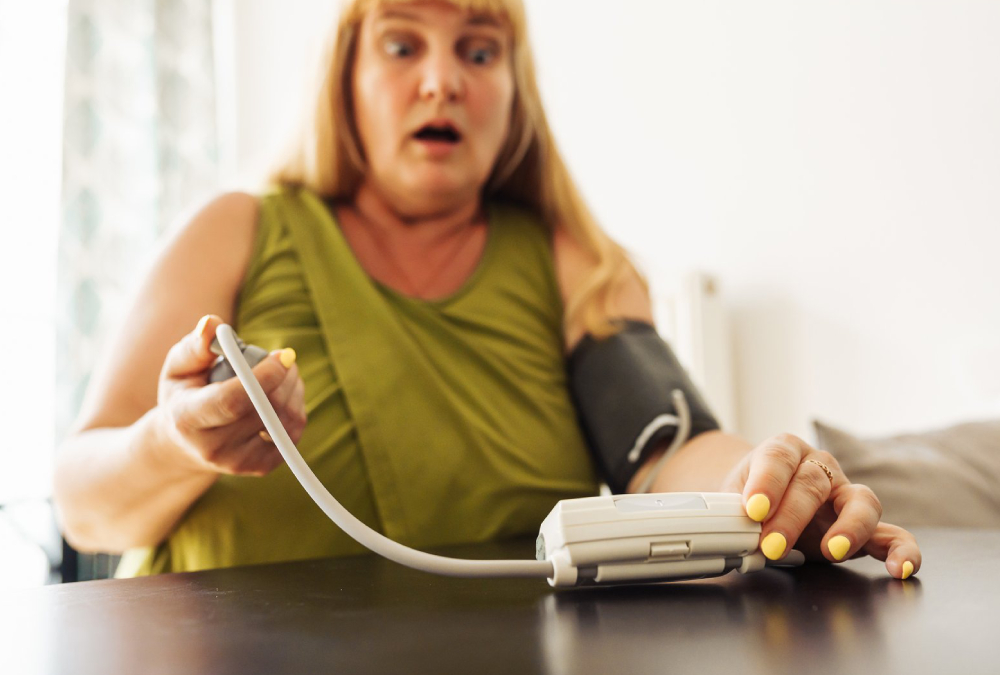
- High blood pressure
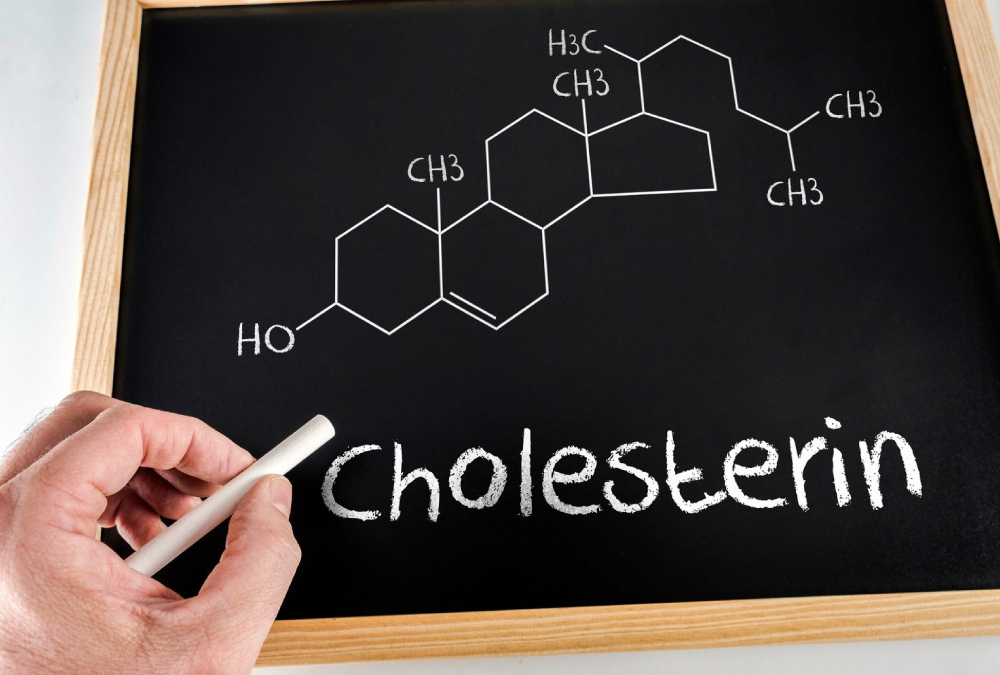
- High cholesterol
- Diabetes
- Obesity
- Sedentary lifestyle
- Family history
Understanding risk helps in early prevention.
When to See a Doctor
You should consult a doctor if you experience:
- Chest pain or pressure
- Shortness of breath
- Irregular heartbeat
- Unusual fatigue
- Swelling in legs
Early medical attention can prevent serious complications.
Conclusion
Early signs of heart disease are often subtle and easy to ignore, but they are important warning signals that should not be taken lightly. Symptoms such as chest discomfort, fatigue, shortness of breath, irregular heartbeat, and swelling can indicate underlying heart problems.
Recognizing these signs early allows for timely diagnosis and treatment, which can significantly improve outcomes and prevent life-threatening conditions like heart attacks.
Maintaining awareness, seeking medical help when needed, and adopting a healthy lifestyle are the best ways to protect heart health and ensure long-term well-being.