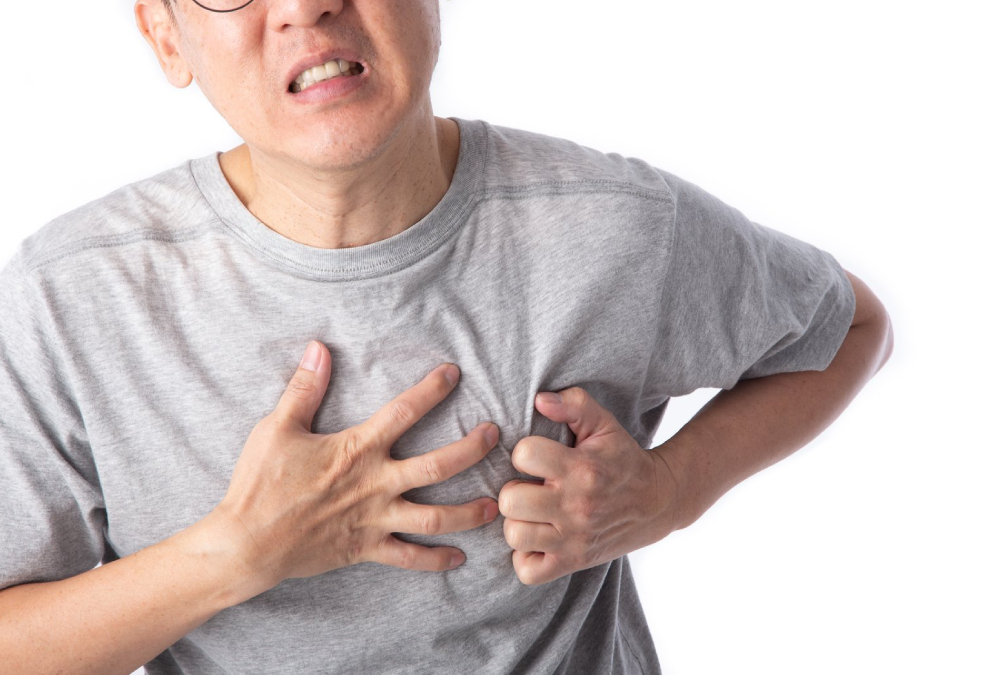

High blood pressure, also known as hypertension, is one of the most common and dangerous health conditions in the world. It is often called a “silent killer” because it usually has no clear symptoms but can quietly damage the heart, brain, kidneys, and blood vessels over time.
If left uncontrolled, high blood pressure can lead to serious complications such as heart attack, stroke, kidney failure, and vision problems. The good news is that it can be effectively managed with the right lifestyle changes, diet, and medical care.
Understanding how to control high blood pressure is essential for long-term health and prevention of life-threatening conditions.
What Is High Blood Pressure?
Blood pressure is the force of blood pushing against the walls of your arteries as your heart pumps. When this pressure stays too high for a long time, it becomes hypertension.
Normal Blood Pressure:
- Around 120/80 mmHg
High Blood Pressure:
- 140/90 mmHg or higher
There are two numbers:
- Systolic pressure (upper number): pressure when the heart beats
- Diastolic pressure (lower number): pressure when the heart rests
Why High Blood Pressure Is Dangerous
Uncontrolled hypertension can silently damage the body.
Risks Include:
- Heart attack
- Stroke
- Kidney damage
- Heart failure
- Vision loss
- Artery damage
Because symptoms are often absent, many people do not realize they have it until complications occur.
1. Reduce Salt Intake
Excess salt is one of the biggest causes of high blood pressure.
Why Salt Is Harmful:
- Causes the body to retain water
- Increases blood volume
- Raises pressure on arteries
How Much Salt Is Safe:
- Less than 5 grams per day (about one teaspoon)
Tips:
- Avoid processed foods
- Limit fast food
- Use herbs instead of salt for flavor
Reducing salt can significantly lower blood pressure.
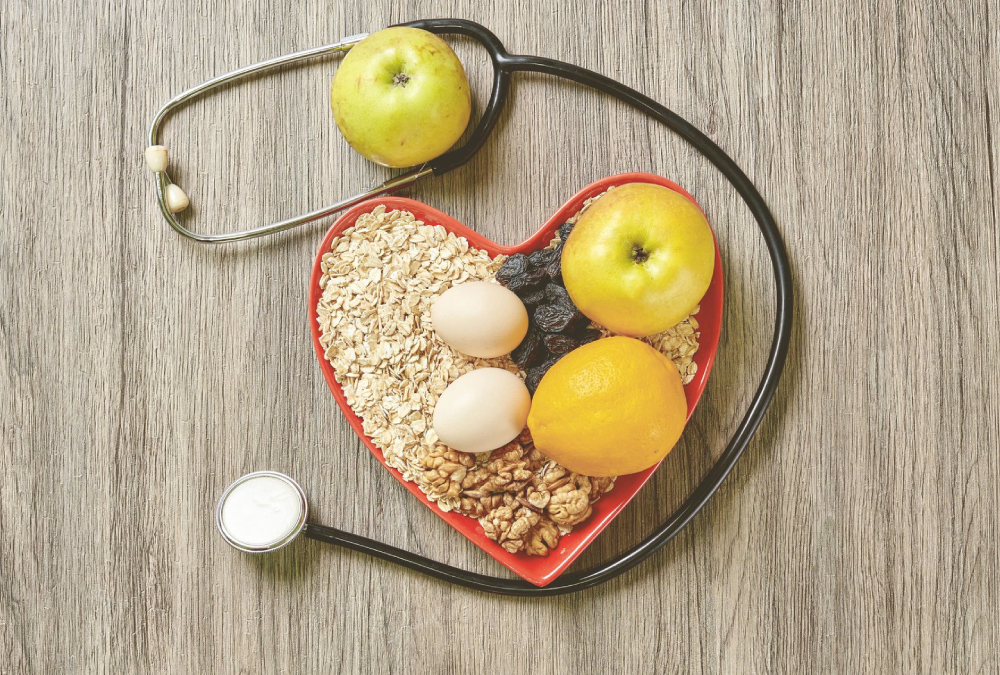
2. Maintain a Healthy Diet
A balanced diet plays a major role in controlling blood pressure.
Recommended Foods:
- Fresh fruits and vegetables
- Whole grains
- Low-fat dairy products
- Lean proteins
- Nuts and seeds
Avoid:
- Fried foods
- Sugary drinks
- Processed snacks
- Excess red meat
Healthy eating helps improve artery function and heart health.
3. Exercise Regularly
Physical activity strengthens the heart and improves blood circulation.
Best Exercises:
- Walking
- Jogging
- Cycling
- Swimming
- Yoga
Recommended Time:
- At least 30 minutes per day
Benefits:
- Lowers blood pressure naturally
- Reduces stress
- Helps maintain weight
Even light activity can make a difference.
4. Maintain a Healthy Weight
Being overweight increases pressure on the heart and arteries.
Risks of Obesity:
- Higher blood pressure
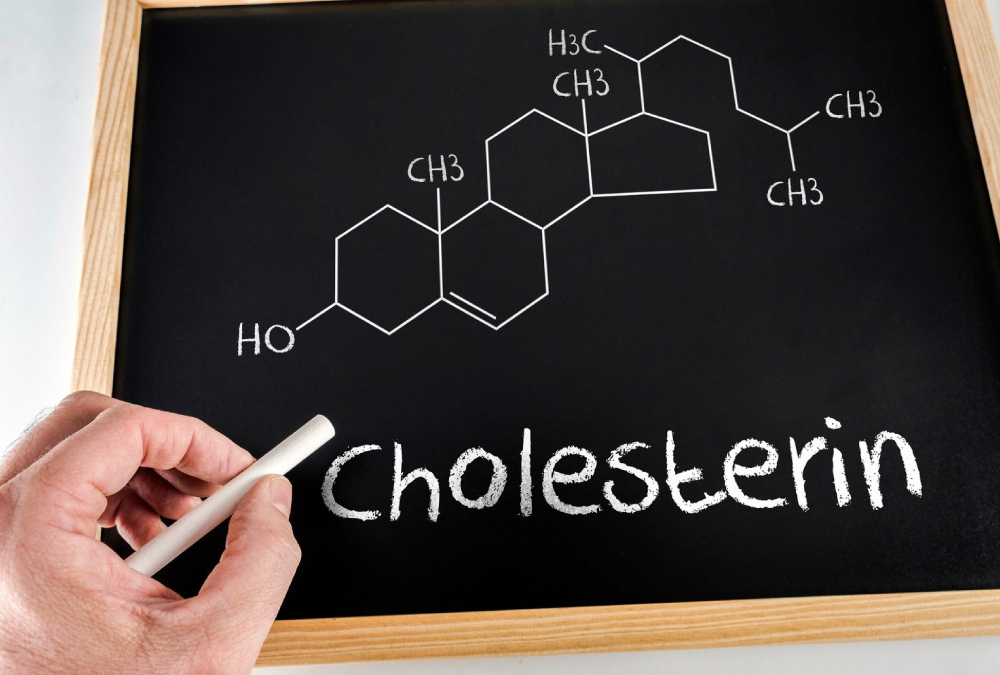
- Increased cholesterol
- Greater risk of heart disease
How to Manage Weight:
- Eat balanced meals
- Avoid overeating
- Stay physically active
- Reduce sugar intake
Losing even a small amount of weight can help reduce blood pressure.
5. Manage Stress
Stress is a major contributor to high blood pressure.
How Stress Affects the Body:
- Increases heart rate
- Raises blood pressure
- Leads to unhealthy habits
Stress-Reduction Techniques:
- Deep breathing exercises
- Meditation
- Yoga
- Listening to music
- Spending time with loved ones
Managing stress is essential for heart health.
6. Limit Alcohol and Avoid Smoking
Both alcohol and smoking have harmful effects on blood pressure.
Alcohol Effects:
- Raises blood pressure
- Weakens heart muscles
Smoking Effects:
- Damages blood vessels
- Reduces oxygen supply
- Increases artery stiffness
Quitting smoking and reducing alcohol intake greatly improves heart health.
7. Get Enough Sleep
Poor sleep can contribute to high blood pressure.
Recommended Sleep:
- 7–8 hours per night
Effects of Poor Sleep:
- Hormonal imbalance
- Increased stress
- Higher blood pressure
Good sleep supports heart recovery and overall health.
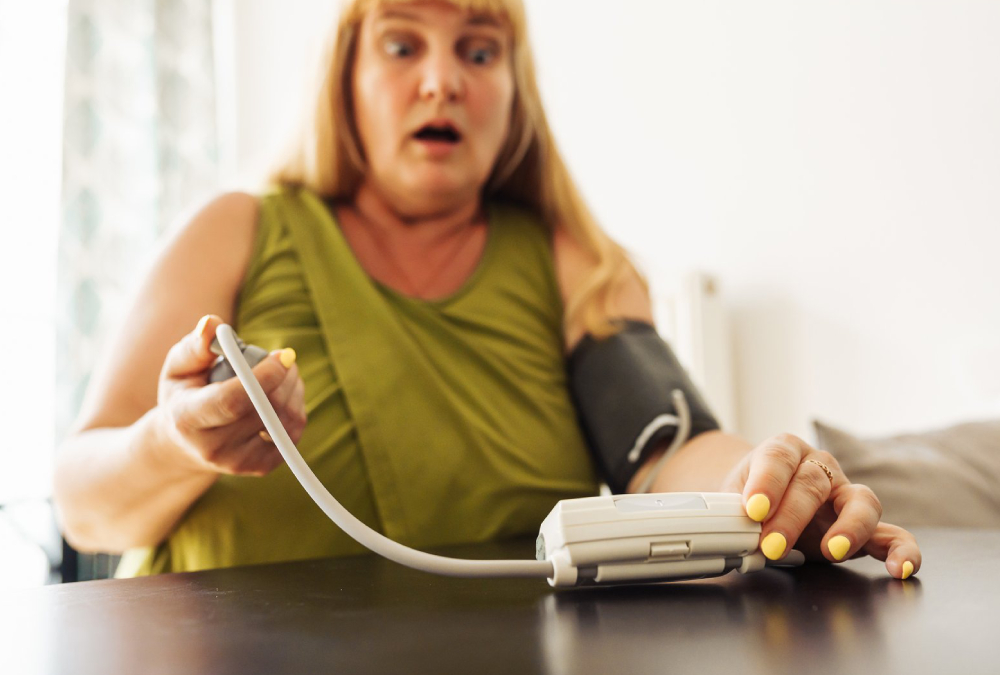
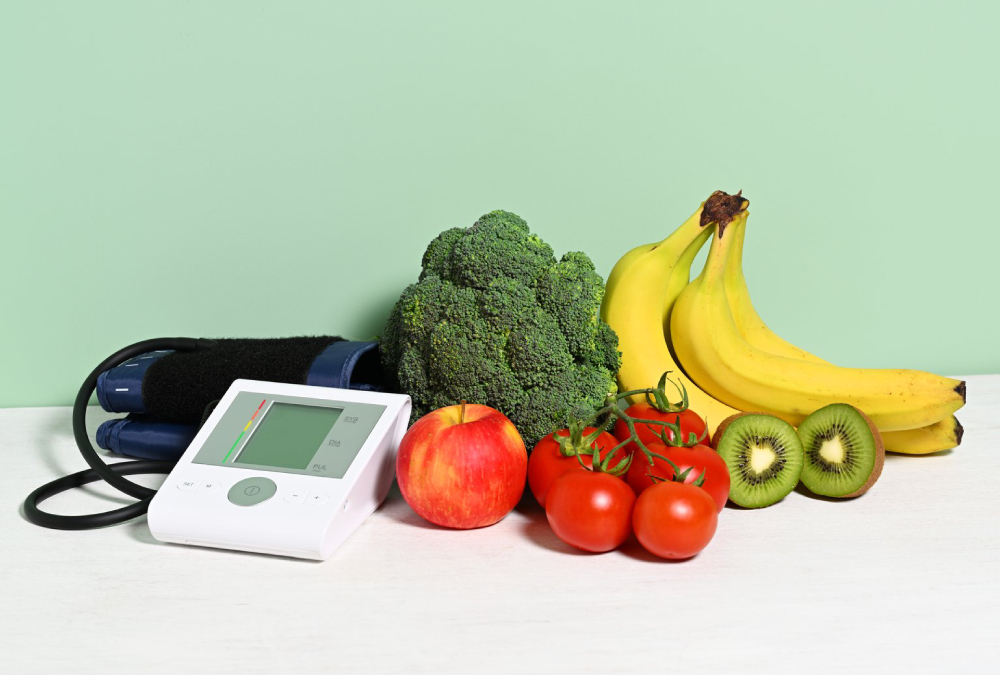
8. Monitor Blood Pressure Regularly
Regular monitoring helps detect changes early.
Why It Matters:
- Tracks treatment progress
- Prevents complications
- Helps adjust lifestyle or medication
Home monitoring devices can help keep track of readings.
9. Take Medications as Prescribed
If lifestyle changes are not enough, doctors may prescribe medication.
Important Points:
- Take medicine regularly
- Do not skip doses
- Follow doctor instructions
Medication helps control blood pressure and prevent complications.
10. Eat Potassium-Rich Foods
Potassium helps balance sodium levels in the body.
Good Sources:
- Bananas
- Oranges
- Spinach
- Sweet potatoes
- Beans
Potassium helps relax blood vessel walls.
11. Reduce Caffeine Intake
Too much caffeine can temporarily raise blood pressure.
Sources:
- Coffee
- Energy drinks
- Some teas
Moderation is key for maintaining stable blood pressure.
12. Avoid Processed Foods
Processed foods often contain high salt, sugar, and unhealthy fats.
Examples:
- Chips
- Fast food
- Packaged snacks
Reducing these helps maintain healthy blood pressure levels.
13. Stay Hydrated
Proper hydration supports healthy blood flow.
Benefits:
- Helps regulate blood pressure
- Improves circulation
- Supports kidney function
Drink water regularly throughout the day.
14. Increase Fiber Intake
Fiber helps improve heart health and reduce blood pressure.
Sources:
- Oats
- Fruits
- Vegetables
- Whole grains
Fiber supports better digestion and cholesterol control.
Conclusion
High blood pressure is a serious but manageable condition. With the right lifestyle changes, diet improvements, and medical care, it is possible to control and even prevent hypertension.
Key strategies include reducing salt intake, exercising regularly, maintaining a healthy weight, managing stress, and avoiding smoking and alcohol. Regular monitoring and following medical advice are also essential.
By making small but consistent changes, individuals can significantly improve their blood pressure levels and protect their heart, brain, and overall health for the long term.