
Heart disease is one of the leading causes of death worldwide, but the most important fact is this: a large portion of heart disease cases are preventable. By making consistent lifestyle changes and managing risk factors early, you can significantly reduce your chances of developing heart-related problems.
The heart is a vital organ that works continuously, pumping blood and oxygen throughout the body. When it becomes weak or blocked due to unhealthy habits, it can lead to serious conditions such as heart attack, stroke, and heart failure.
The good news is that small, daily decisions can have a powerful impact on heart health. This guide explains practical and effective ways to reduce heart disease risk and maintain a strong heart for life.
1. Eat a Heart-Healthy Diet
Food plays the biggest role in heart health. A balanced diet helps control cholesterol, blood pressure, and body weight.
Foods That Support Heart Health:
- Fresh fruits and vegetables
- Whole grains (oats, brown rice, whole wheat)
- Lean proteins (fish, chicken, legumes)
- Healthy fats (olive oil, nuts, seeds)
Foods to Limit:
- Fried and fast foods
- Processed snacks
- Sugary drinks
- Excess salt
- Red meat in large amounts
Why It Matters:
A healthy diet prevents plaque buildup in arteries and improves blood flow to the heart.
2. Stay Physically Active
Regular exercise strengthens the heart and improves overall circulation.
Recommended Activities:
- Brisk walking
- Jogging or running
- Cycling
- Swimming
- Yoga or stretching
How Much Exercise Is Needed:
- At least 150 minutes of moderate activity per week
Benefits for the Heart:
- Lowers blood pressure
- Improves cholesterol levels
- Helps maintain healthy weight
- Strengthens heart muscles
Even small daily activities like walking can make a big difference.
3. Maintain a Healthy Weight
Being overweight increases stress on the heart and raises the risk of many heart-related conditions.
Risks of Obesity:
- High blood pressure
- High cholesterol
- Diabetes
- Reduced heart efficiency
How to Manage Weight:
- Eat balanced meals
- Avoid overeating
- Exercise regularly
- Limit sugary foods and drinks
Even a small weight loss can improve heart health significantly.
4. Control Blood Pressure
High blood pressure is a major risk factor for heart disease.
How It Damages the Heart:
- Puts pressure on artery walls
- Causes arteries to become stiff
- Forces the heart to work harder
How to Reduce Blood Pressure:
- Reduce salt intake
- Exercise regularly
- Manage stress
- Avoid smoking
- Take prescribed medication if needed
Regular monitoring is essential for early control.
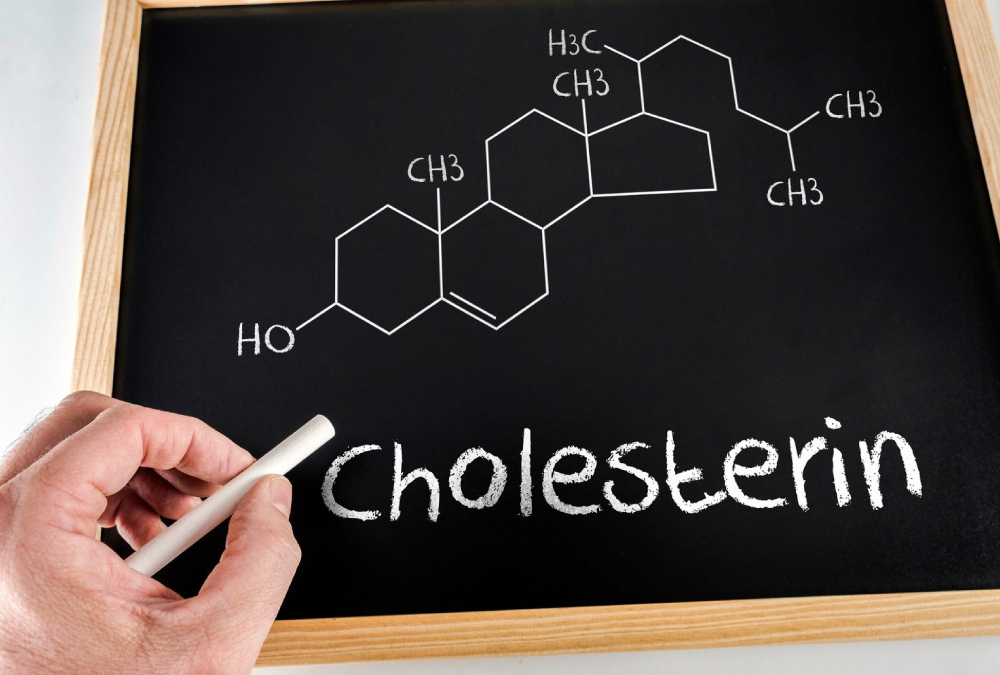
5. Manage Cholesterol Levels
Cholesterol imbalance is a key cause of blocked arteries.
Types of Cholesterol:
- LDL (bad cholesterol)
- HDL (good cholesterol)
How to Improve Cholesterol:
- Eat fiber-rich foods
- Avoid trans fats
- Exercise regularly
- Maintain healthy weight
Balanced cholesterol helps keep arteries clear and flexible.
6. Quit Smoking and Avoid Tobacco
Smoking is one of the most dangerous risk factors for heart disease.
How Smoking Harms the Heart:
- Damages blood vessels
- Reduces oxygen in the blood
- Increases blood clot risk
- Raises blood pressure
Benefits of Quitting:
- Improved circulation
- Lower heart attack risk
- Better lung function
- Increased life expectancy
Even after years of smoking, quitting improves heart health.
7. Limit Alcohol Consumption
Excessive alcohol intake can weaken the heart and increase blood pressure.
Risks of Heavy Drinking:
- Irregular heartbeat
- Heart muscle damage
- High blood pressure
- Weight gain
Safe Practice:
- Drink in moderation or avoid completely
- Follow medical advice if you have heart risk
8. Manage Stress Effectively
Chronic stress can negatively impact heart health over time.
Effects of Stress:
- Increased blood pressure
- Faster heart rate
- Poor eating habits
- Sleep disturbances
Stress-Reduction Techniques:
- Meditation
- Deep breathing exercises
- Physical activity
- Spending time with family
- Hobbies and relaxation
Reducing stress helps protect both heart and mental health.
9. Get Enough Sleep
Sleep is essential for heart repair and overall recovery.
Recommended Sleep:
- 7 to 8 hours per night
Risks of Poor Sleep:
- High blood pressure
- Weight gain
- Increased stress hormones
- Higher risk of heart disease
Good sleep supports a healthy heart rhythm and blood pressure control.
10. Control Blood Sugar Levels
Diabetes significantly increases the risk of heart disease.
Why It Matters:
High blood sugar damages blood vessels and increases plaque buildup in arteries.
How to Control It:
- Healthy diet
- Regular exercise
- Medication if prescribed
- Routine blood sugar checks
Proper diabetes management protects heart health.
11. Stay Hydrated
Water is important for maintaining healthy blood flow and heart function.
Benefits:
- Supports circulation
- Helps regulate blood pressure
- Aids metabolism
Aim to drink enough water throughout the day and avoid excessive sugary drinks.
12. Go for Regular Health Checkups
Preventive care helps detect heart risks early.
Important Tests:
- Blood pressure monitoring
- Cholesterol tests
- Blood sugar tests
- ECG (if recommended)
Why It Helps:
Early detection allows timely treatment and prevents serious complications.
13. Eat More Fiber and Antioxidants
Fiber and antioxidants protect the heart by reducing cholesterol and inflammation.
Good Sources:
- Fruits and vegetables
- Oats and whole grains
- Beans and legumes
- Nuts and seeds
These foods support clean arteries and better circulation.
14. Avoid Processed and Junk Food
Processed foods are one of the biggest contributors to heart disease.
Why They Are Harmful:
- High in salt and sugar
- Contain unhealthy fats
- Increase cholesterol levels
- Lead to weight gain
Reducing junk food intake improves long-term heart health.
15. Stay Socially Active
Social connections also support heart health indirectly.
Benefits:
- Reduces stress
- Improves mental health
- Encourages healthy habits
- Prevents isolation
Strong relationships contribute to a healthier lifestyle.
Conclusion
Reducing the risk of heart disease is possible through consistent and healthy lifestyle choices. A balanced diet, regular exercise, stress management, proper sleep, and avoiding harmful habits like smoking can significantly improve heart health.
Heart disease does not develop overnight—it builds over time due to daily habits. The good news is that positive changes today can protect your heart for the future.
By taking proactive steps and staying aware of your health, you can greatly reduce your risk and enjoy a stronger, healthier life.