Low blood pressure, also known as hypotension, is a condition where blood pressure drops below the normal range. While high blood pressure is more commonly discussed, low blood pressure can also cause health issues if it becomes too low or leads to insufficient blood flow to vital organs.
Blood pressure is the force that pushes blood through your arteries. When this pressure is too low, the brain, heart, and other organs may not receive enough oxygen and nutrients. This can lead to symptoms ranging from mild dizziness to fainting or shock in severe cases.
Understanding the symptoms of low blood pressure is important for early detection and proper management.
What Is Low Blood Pressure?
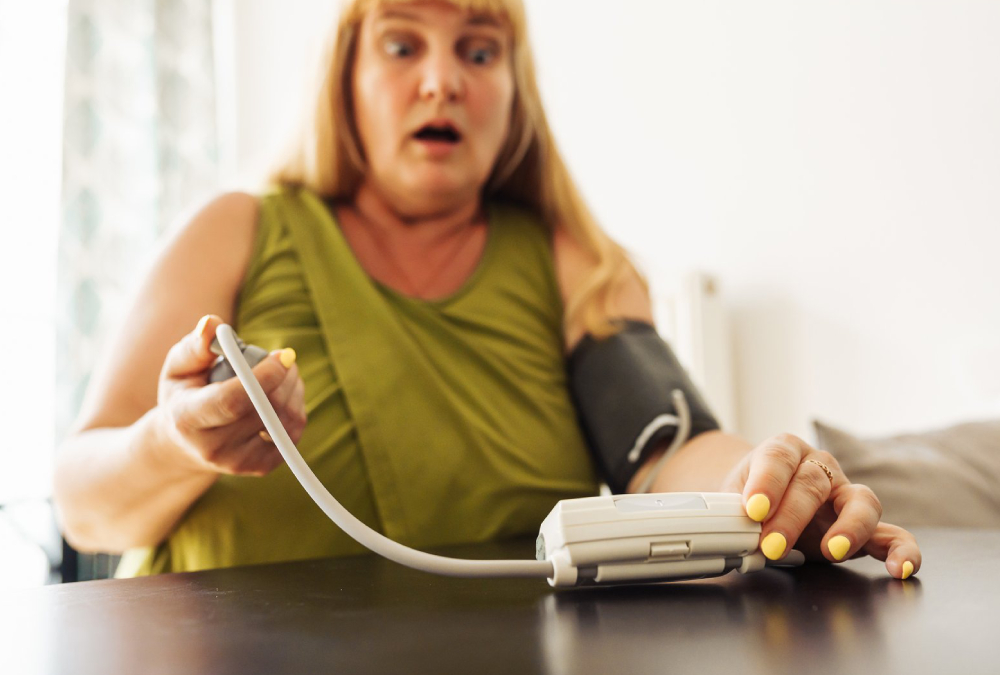
Normal blood pressure is usually around 120/80 mmHg. Low blood pressure is generally considered when readings fall below 90/60 mmHg.
However, what is “low” can vary from person to person. Some people naturally have lower blood pressure without any symptoms, while others may experience noticeable health issues.
1. Dizziness or Lightheadedness
One of the most common symptoms of low blood pressure is feeling dizzy.
What It Feels Like:
- Spinning sensation
- Feeling unsteady
- Lightheadedness when standing up
Why It Happens:
When blood pressure drops, less blood reaches the brain, causing dizziness.
This symptom is especially common when standing up quickly.
2. Fainting (Syncope)
Fainting is a more severe symptom of low blood pressure.
Warning Signs Before Fainting:
- Blurred vision
- Weakness
- Sweating
- Nausea
Why It Happens:
A sudden drop in blood flow to the brain causes temporary loss of consciousness.
Frequent fainting should always be checked by a doctor.
3. Blurred or Faded Vision
Low blood pressure can affect eyesight temporarily.
Symptoms:
- Blurred vision
- Tunnel vision
- Dark spots in vision
Cause:
Reduced blood flow to the eyes and brain affects visual clarity.
4. Fatigue and Weakness
Feeling unusually tired is a common sign of low blood pressure.
What You May Notice:
- Lack of energy
- Difficulty concentrating
- Feeling exhausted even after rest
Why It Happens:
Organs and muscles do not receive enough oxygen-rich blood, leading to weakness.
5. Nausea
Some people with low blood pressure may feel sick to their stomach.
Symptoms:
- Feeling queasy
- Loss of appetite
- Occasional vomiting
Cause:
Reduced blood flow to the digestive system can disrupt normal function.
6. Cold, Clammy Skin
Changes in skin temperature and texture may occur.
Symptoms:
- Cold hands and feet
- Pale skin
- Sweaty or clammy feeling
Why It Happens:
The body tries to conserve blood flow for vital organs, reducing circulation to the skin.
7. Rapid or Shallow Breathing
Low blood pressure can affect breathing patterns.
Symptoms:
- Faster breathing rate
- Shortness of breath
- Feeling like you cannot get enough air
Cause:
The body tries to increase oxygen intake when circulation is reduced.
8. Difficulty Concentrating
Brain function is highly sensitive to blood flow changes.
Symptoms:
- Confusion
- Trouble focusing
- Memory issues
- Mental fog
Why It Happens:
Reduced oxygen supply to the brain affects cognitive function.
9. Depression or Mood Changes
In some cases, low blood pressure may affect mood.
Symptoms:
- Irritability
- Low mood
- Lack of motivation
Cause:
Poor blood circulation can affect brain chemistry and energy levels.
10. Increased Heart Rate
The heart may beat faster to compensate for low blood pressure.
Symptoms:
- Palpitations
- Racing heartbeat
- Feeling heart pounding
Why It Happens:
The heart tries to pump more blood to maintain oxygen supply.
11. Weak Pulse
A weak or thready pulse can be a sign of low blood pressure.
Symptoms:
- Difficult to feel pulse
- Slow or weak heartbeat
Cause:
Reduced blood volume or pressure in the arteries.
12. Dehydration Symptoms
Low blood pressure is often linked to dehydration.
Signs Include:
- Dry mouth
- Thirst
- Reduced urination
- Dizziness
Why It Happens:
Lack of fluids reduces blood volume, lowering blood pressure.
13. Shock (Severe Cases)
In extreme cases, low blood pressure can lead to shock, which is a medical emergency.
Symptoms:
- Extreme weakness
- Cold, sweaty skin
- Rapid breathing
- Confusion or unconsciousness
Why It Happens:
Organs do not receive enough blood and oxygen, which can be life-threatening.
Causes of Low Blood Pressure
Understanding causes helps in prevention and treatment.
Common Causes:
- Dehydration
- Heart problems
- Blood loss
- Endocrine disorders
- Certain medications
- Severe infections
When to See a Doctor
You should seek medical help if you experience:
- Frequent dizziness or fainting
- Severe fatigue
- Confusion
- Chest pain
- Very low blood pressure readings
Early diagnosis helps prevent complications.
How to Manage Low Blood Pressure (Brief Overview)
Although this article focuses on symptoms, basic management includes:
- Drinking enough water
- Eating small, frequent meals
- Increasing salt intake (under medical advice)
- Wearing compression stockings
- Avoiding sudden position changes
Conclusion
Low blood pressure may not always be dangerous, but when symptoms appear, it can affect daily life and overall health. Common symptoms include dizziness, fainting, fatigue, blurred vision, nausea, and difficulty concentrating.
Recognizing these signs early is important for preventing complications. In some cases, low blood pressure can indicate an underlying health problem that needs medical attention.
If symptoms are frequent or severe, consulting a doctor is essential for proper diagnosis and treatment. Maintaining a healthy lifestyle, staying hydrated, and monitoring blood pressure regularly can help manage the condition effectively and improve overall well-being.