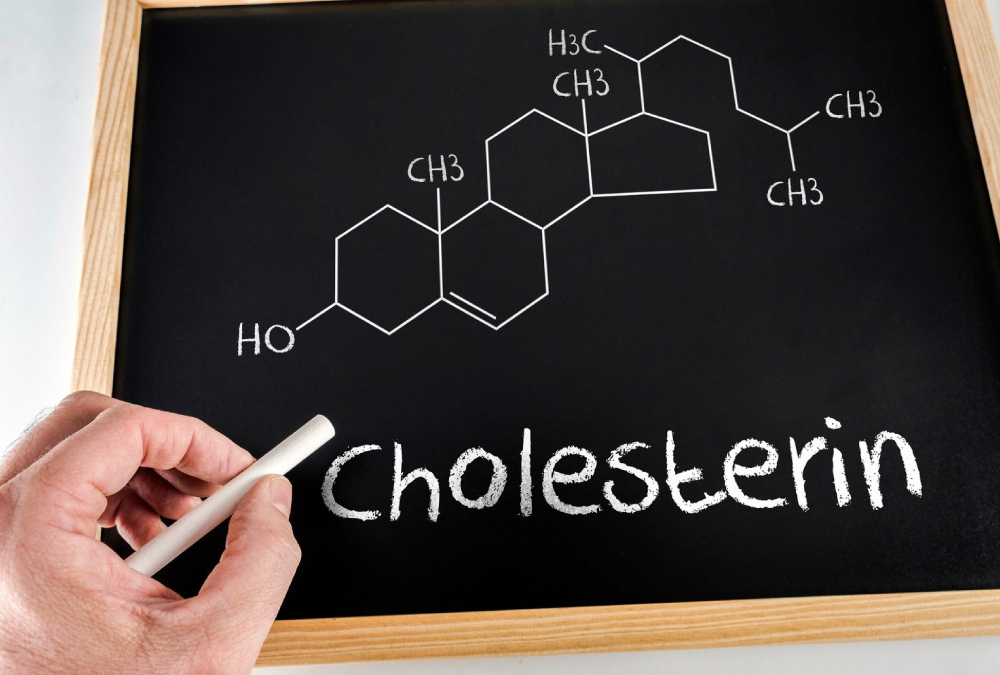
Cholesterol is a fatty substance found in your blood that is essential for building healthy cells, producing hormones, and supporting overall body function. However, not all cholesterol is the same. There are different types of cholesterol, and understanding the difference between good and bad cholesterol is very important for maintaining heart health.
When cholesterol levels become unbalanced, it can lead to serious health problems such as heart disease, stroke, and blocked arteries. That is why doctors often talk about “good” and “bad” cholesterol when checking heart health.
This guide explains both types in detail and how they affect your body.
What Is Cholesterol?
Cholesterol is a waxy, fat-like substance produced by the liver and also found in certain foods. Your body needs cholesterol to:
- Build healthy cells
- Produce hormones
- Make vitamin D
- Support digestion
However, too much cholesterol in the blood can lead to plaque buildup in arteries, which restricts blood flow.
Types of Cholesterol
There are three main types of cholesterol:
- LDL (Low-Density Lipoprotein) – Bad cholesterol
- HDL (High-Density Lipoprotein) – Good cholesterol
- Triglycerides – Another type of fat in the blood
The balance between LDL and HDL is what determines heart health.
1. Bad Cholesterol (LDL)
LDL is known as “bad cholesterol” because it can build up in artery walls.
What LDL Does:
LDL carries cholesterol from the liver to the rest of the body. When levels are too high, excess cholesterol starts sticking to artery walls.
Why It Is Harmful:
- Forms plaque in arteries
- Narrows blood vessels
- Reduces blood flow
- Increases risk of heart attack and stroke
Causes of High LDL:
- Eating unhealthy fats
- Lack of exercise
- Smoking
- Obesity
- Genetics
Simple Understanding:
Think of LDL as “delivery trucks” that sometimes drop too much cholesterol in the wrong places, causing blockages.
2. Good Cholesterol (HDL)
HDL is known as “good cholesterol” because it protects the heart.
What HDL Does:
HDL carries excess cholesterol away from the arteries and back to the liver, where it is broken down and removed from the body.
Why It Is Beneficial:
- Cleans cholesterol from arteries
- Reduces plaque buildup
- Protects against heart disease
- Improves blood flow
How to Increase HDL:
- Regular exercise
- Healthy fats (olive oil, nuts)
- Quitting smoking
Simple Understanding:
HDL acts like a “clean-up crew” that removes extra cholesterol from the bloodstream.
3. Triglycerides
Triglycerides are another type of fat in the blood.
What They Do:
They store extra energy from food that the body does not immediately use.
Why High Levels Are Harmful:
- Increase risk of heart disease
- Contribute to artery blockage
- Often linked with obesity and diabetes
Causes:
- High sugar intake
- Overeating
- Alcohol consumption
- Lack of exercise
LDL vs HDL – Key Difference
| Feature | LDL (Bad Cholesterol) | HDL (Good Cholesterol) |
|---|---|---|
| Function | Deposits cholesterol in arteries | Removes cholesterol from arteries |
| Effect | Increases heart risk | Protects heart health |
| High Levels | Dangerous | Beneficial |
| Goal | Keep low | Keep high |
Why Cholesterol Balance Matters
Heart health depends on maintaining a healthy balance between LDL and HDL.
If LDL is too high and HDL is too low:
- Arteries become blocked
- Blood flow reduces
- Heart must work harder
- Risk of heart attack increases
Maintaining balance is essential for long-term wellness.
Risk Factors for Bad Cholesterol
Several factors can increase LDL levels:
- Poor diet (high fat, fried foods)
- Lack of physical activity
- Smoking
- Obesity
- Diabetes
- Genetic conditions
Some of these can be controlled through lifestyle changes.
Symptoms of High Cholesterol
High cholesterol usually has no symptoms, which makes it dangerous.
However, it can lead to:
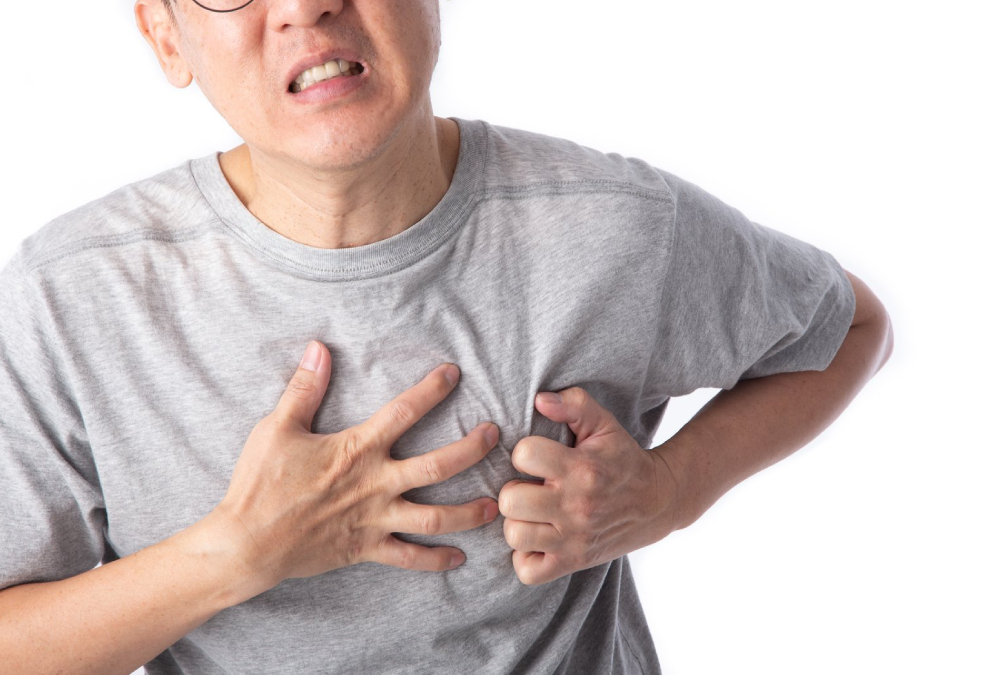
- Chest pain
- Shortness of breath
- Fatigue (due to poor circulation)
- Heart attack or stroke (in severe cases)
Regular blood tests are the only way to know cholesterol levels.
How Cholesterol Affects the Heart
When LDL builds up in arteries:
- Plaque forms inside blood vessels
- Arteries become narrow
- Blood flow decreases
- Heart struggles to pump blood
- Risk of blockage increases
This process is called atherosclerosis and is a major cause of heart disease.
How to Maintain Healthy Cholesterol Levels
Even though this article focuses on explanation, basic prevention is important.
Healthy Habits Include:
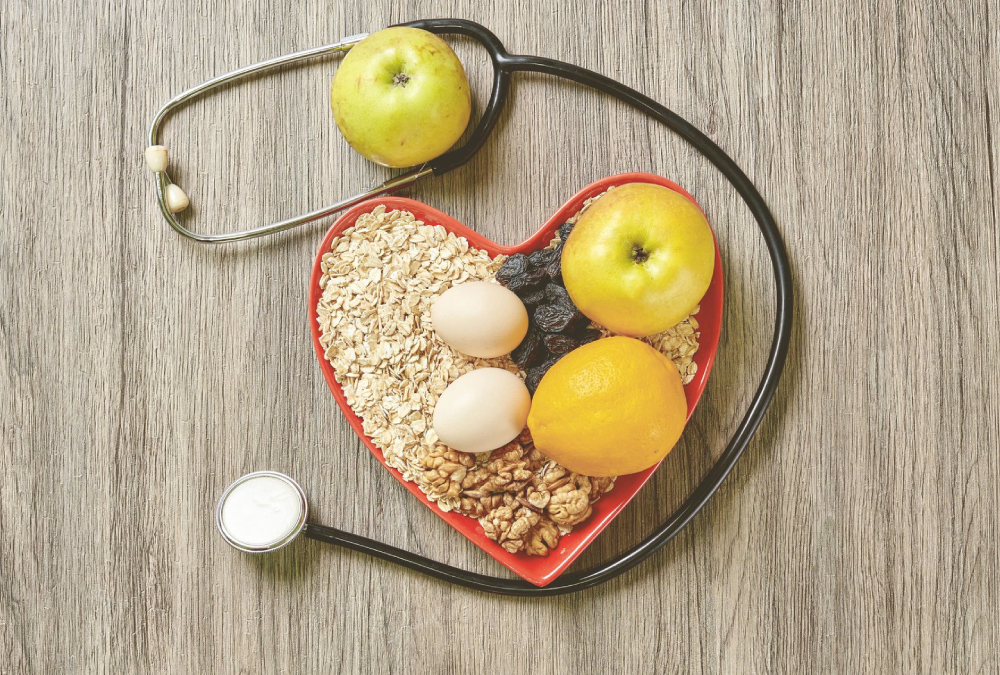
- Eating balanced diet
- Regular exercise
- Avoiding smoking
- Limiting alcohol
- Managing weight
These habits help keep LDL low and HDL high.
Cholesterol Testing
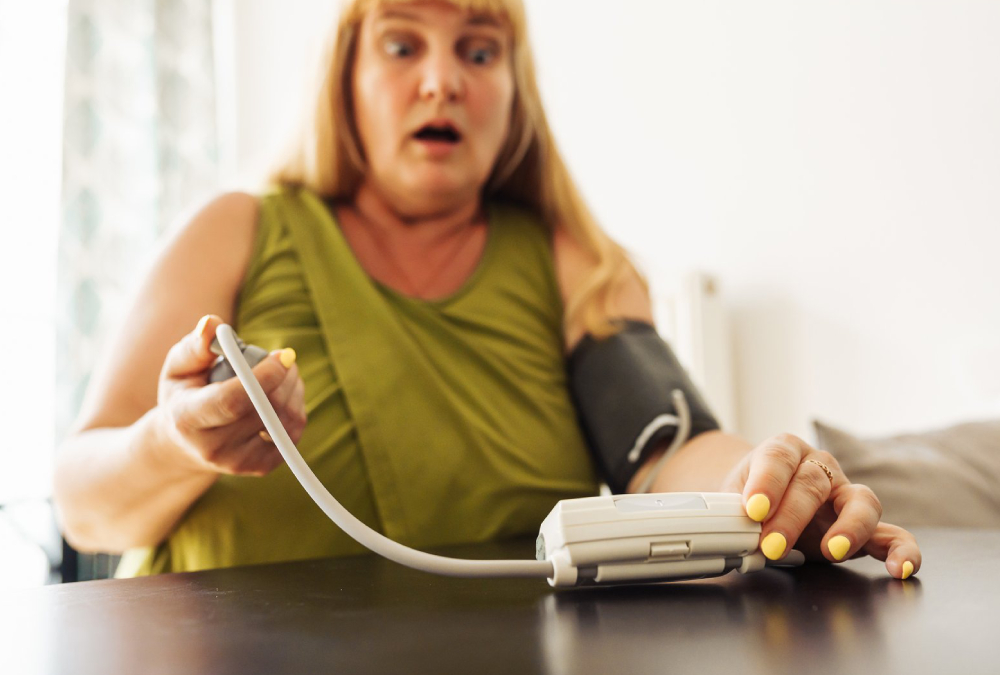
Doctors use a blood test called a lipid profile to measure cholesterol levels.
It Checks:
- LDL levels
- HDL levels
- Triglycerides
- Total cholesterol
Why It Is Important:
Regular testing helps detect problems early before symptoms appear.
Conclusion
Cholesterol is essential for body function, but balance is the key. LDL (bad cholesterol) can harm the heart by building up in arteries, while HDL (good cholesterol) protects the heart by removing excess cholesterol.
Understanding the difference between good and bad cholesterol helps people make better lifestyle choices and reduce the risk of heart disease. Since high cholesterol often has no symptoms, regular testing and healthy habits are extremely important.
By maintaining a proper balance of cholesterol through diet, exercise, and lifestyle changes, individuals can protect their heart and improve long-term health.