High cholesterol is a common health problem that increases the risk of heart disease, stroke, and blocked arteries. The good news is that in many cases, cholesterol levels can be lowered naturally without relying only on medication. Lifestyle and diet changes play a powerful role in improving heart health and maintaining balanced cholesterol levels.
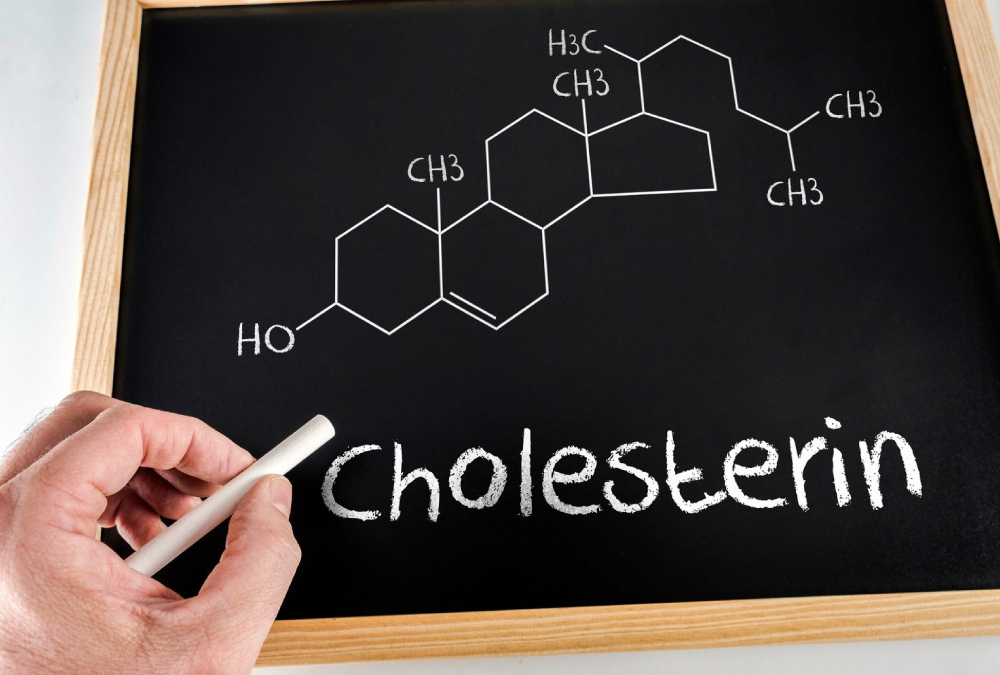
Cholesterol is a fatty substance found in your blood. Your body needs it for building cells and producing hormones, but too much “bad cholesterol” (LDL) can lead to plaque buildup in arteries. This restricts blood flow and puts extra pressure on the heart.
Lowering cholesterol naturally focuses on reducing LDL (bad cholesterol), increasing HDL (good cholesterol), and improving overall cardiovascular health.
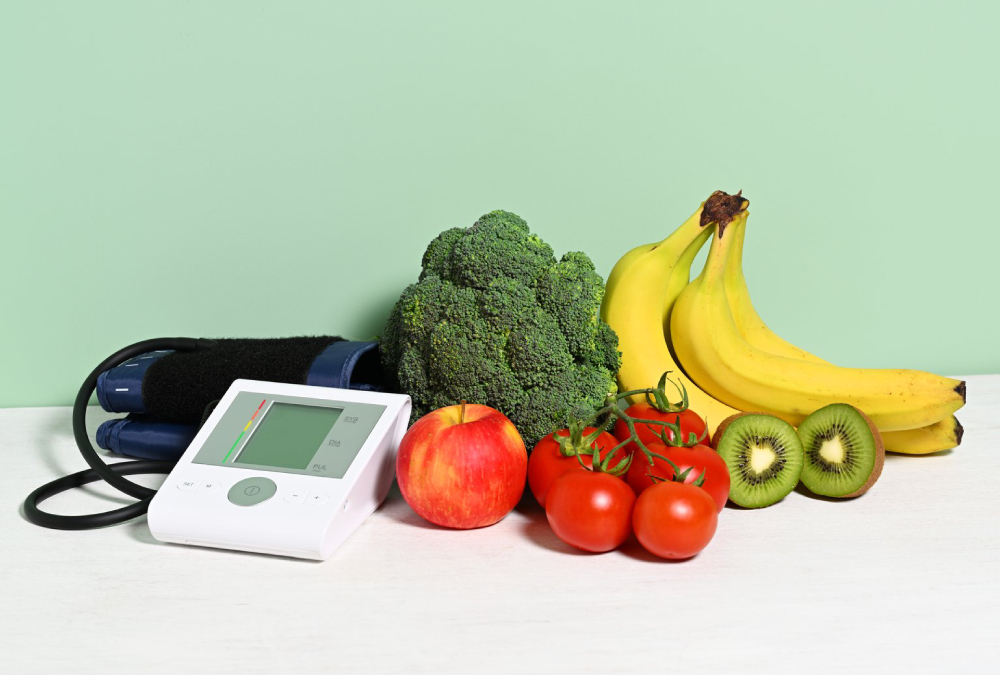
1. Eat Heart-Healthy Foods
Diet is the most important factor in controlling cholesterol.
Best Foods to Eat:
- Fruits and vegetables
- Whole grains (oats, brown rice, whole wheat)
- Legumes (beans, lentils, chickpeas)
- Nuts and seeds
- Fish rich in omega-3 (salmon, sardines)
Why It Works:
These foods are high in fiber, antioxidants, and healthy fats that help remove excess cholesterol from the body.
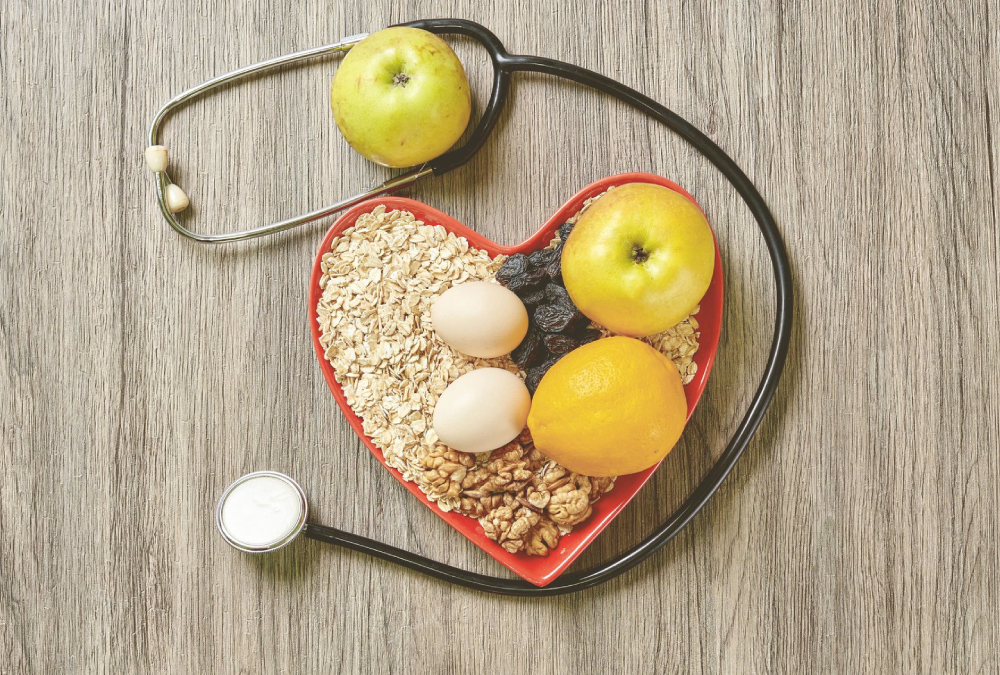
Fiber, especially soluble fiber, binds with cholesterol in the digestive system and helps eliminate it.
2. Increase Soluble Fiber Intake
Soluble fiber is one of the most effective natural ways to lower cholesterol.
Good Sources:
- Oats
- Apples
- Oranges
- Carrots
- Beans
- Barley
How It Helps:
Soluble fiber reduces the absorption of cholesterol into the bloodstream, lowering LDL levels.
Even small daily increases in fiber intake can show noticeable results over time.
3. Exercise Regularly
Physical activity plays a major role in improving cholesterol balance.
Recommended Activities:
- Walking
- Jogging
- Cycling
- Swimming
- Yoga
Benefits:
- Increases HDL (good cholesterol)
- Lowers LDL (bad cholesterol)
- Improves heart function
- Helps control weight
Even 30 minutes of exercise a day can make a big difference.
4. Maintain a Healthy Weight
Being overweight is strongly linked to high cholesterol levels.
Why Weight Matters:
Excess body fat increases LDL and triglycerides while lowering HDL.
How to Manage Weight:
- Eat balanced meals
- Avoid overeating
- Stay physically active
- Reduce sugary foods
Even a small weight loss (5–10%) can significantly improve cholesterol levels.
5. Choose Healthy Fats
Not all fats are bad. Some fats are essential for heart health.
Healthy Fats:
- Olive oil
- Avocados
- Nuts (almonds, walnuts)
- Fatty fish (omega-3 fats)
Unhealthy Fats to Avoid:
- Trans fats (processed foods, baked goods)
- Saturated fats (fried foods, fatty meats)
Replacing bad fats with good fats helps improve cholesterol balance.
6. Quit Smoking
Smoking has a direct negative impact on cholesterol levels.
Effects of Smoking:
- Lowers HDL (good cholesterol)
- Damages blood vessels
- Increases plaque buildup
- Raises heart disease risk
Benefits of Quitting:
- Improves HDL levels
- Enhances circulation
- Reduces heart attack risk
Even after quitting, heart health improves over time.
7. Limit Alcohol Consumption
Excess alcohol can increase cholesterol and triglycerides.
How It Affects the Body:
- Increases calorie intake
- Raises blood fat levels
- Leads to weight gain
Safe Practice:
- Drink in moderation or avoid completely
- Follow medical advice if you have heart risks
8. Eat More Omega-3 Fatty Acids
Omega-3 fats are essential for heart health.
Sources:
- Salmon
- Sardines
- Flaxseeds
- Chia seeds
- Walnuts
Benefits:
- Reduces triglycerides
- Improves HDL levels
- Lowers inflammation
Omega-3s support overall cardiovascular function.
9. Reduce Sugar and Refined Carbs
Too much sugar and refined carbohydrates can raise cholesterol and triglycerides.
Foods to Limit:
- White bread
- Pastries
- Soft drinks
- Candy and sweets
Why It Matters:
High sugar intake increases fat production in the liver, raising bad cholesterol levels.
10. Manage Stress
Chronic stress can negatively affect cholesterol levels.
Effects of Stress:
- Increases unhealthy eating habits
- Raises cortisol levels
- Contributes to weight gain
Stress-Relief Methods:
- Meditation
- Deep breathing
- Exercise
- Hobbies
- Quality sleep
Reducing stress helps maintain better heart health.
11. Drink Green Tea
Green tea contains antioxidants that support cholesterol control.
Benefits:
- Lowers LDL cholesterol
- Improves fat metabolism
- Supports heart health
Drinking 1–2 cups daily can be beneficial.
12. Get Enough Sleep
Poor sleep can affect cholesterol levels and overall metabolism.
Recommended Sleep:
- 7–8 hours per night
Effects of Poor Sleep:
- Increases LDL levels
- Raises stress hormones
- Affects weight control
Good sleep supports heart and liver function.
13. Increase Plant-Based Foods
Plant-based diets are naturally lower in cholesterol.
Benefits:
- High fiber content
- Low saturated fat
- Rich in antioxidants
Examples:
- Vegetables
- Fruits
- Whole grains
- Legumes
These foods help naturally reduce cholesterol levels.
14. Stay Hydrated
Water helps the body function properly and supports metabolism.
Benefits:
- Improves digestion
- Supports liver function
- Helps remove toxins
Proper hydration indirectly supports cholesterol control.
15. Regular Health Checkups
Monitoring cholesterol levels is very important.
Why It Matters:
- Detects problems early
- Tracks progress of lifestyle changes
- Helps prevent heart disease
Doctors usually recommend a lipid profile test to measure cholesterol levels.
Conclusion
Lowering cholesterol naturally is possible through consistent lifestyle changes. A healthy diet, regular exercise, weight management, and avoiding smoking and unhealthy fats are key steps to improving heart health.
Natural methods not only reduce bad cholesterol (LDL) but also increase good cholesterol (HDL), helping protect the heart and arteries from damage.
By making small but steady changes in daily habits, individuals can significantly reduce the risk of heart disease and maintain healthy cholesterol levels for life.